Jolieva, Glow & Grace

Top 10 Anti-Aging Ingredients That Actually Work

Why Most Anti-Aging Claims Don’t Hold Up

If anti-aging skincare promises were all true, we’d all wake up with glass skin and zero fine lines by Friday. Yet somehow, your bathroom shelf keeps filling up… and your skin looks exactly the same.
You’re not imagining it. The skincare industry is flooded with buzzy claims, trendy extracts, and miracle marketing — but very few anti-aging ingredients are actually backed by real science. And when everything claims to be “clinically proven,” it’s hard to know what’s worth your money (or your patience).
That’s why this guide exists. I’m cutting through the hype to spotlight the best anti-aging skincare ingredients that truly work — not overnight miracles, but proven performers that improve skin over time. If you’re tired of empty promises and want results you can see and feel, you’re in the right place.

What Makes an Anti-Aging Ingredient “Effective”?

Before we dive into the list, let’s set some ground rules. Not all skincare for wrinkles works the same — and effectiveness isn’t about instant gratification.
Proven skin firming products do three core things:

  • Stimulate collagen production (because collagen naturally declines after your mid-20s)
  • Increase cell turnover to smooth texture and fine lines
  • Protect against oxidative damage from UV rays, pollution, and stress

Here’s the catch: none of this happens overnight. The most effective anti-aging ingredients work gradually, quietly, and consistently. Think compound interest — not lottery tickets.
If an ingredient only hydrates temporarily or sounds good on a label but lacks data, it didn’t make this list.

The Top 10 Anti-Aging Ingredients That Actually Work

1. Retinol (and Retinoids)

What it does: Boosts cell turnover, smooths wrinkles, improves texture
Why it works: Encourages collagen production and faster skin renewal
Best for: Fine lines, acne-prone or sun-damaged skin
When to use: PM only
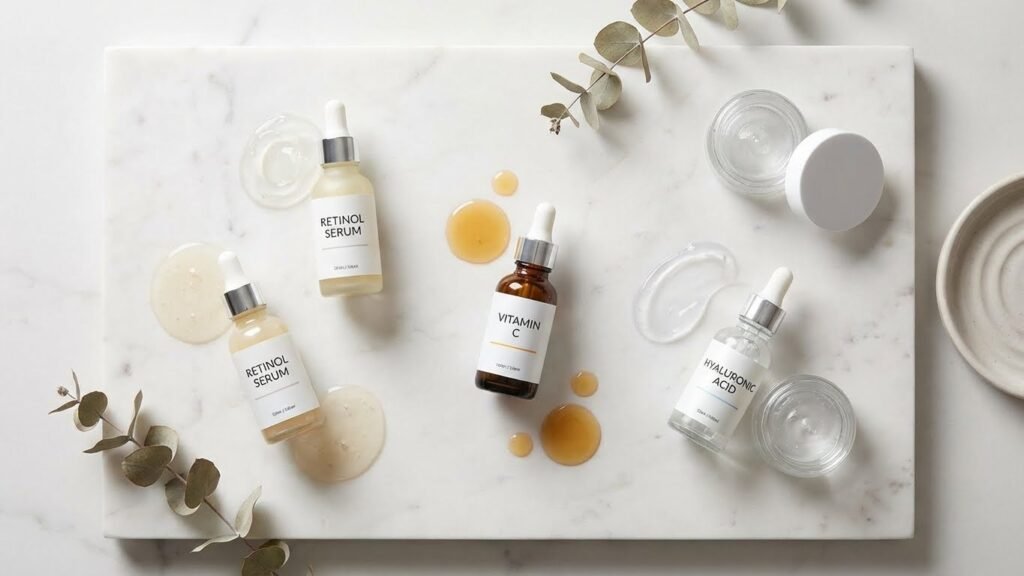
Retinol benefits are unmatched. It’s the gold standard in anti-aging skincare — period. That said, it’s powerful, so start low and go slow. (check out this beginner-friendly retinol serum)

2. Vitamin C

What it does: Brightens, evens tone, boosts collagen
Why it works: Neutralizes free radicals and supports collagen synthesis
Best for: Dull skin, pigmentation, early aging
When to use: AM
Vitamin C is the MVP of antioxidant skincare. When used daily under sunscreen, it helps protect skin from environmental aging. (check out this stabilized vitamin C serum)

3. Peptides

What they do: Improve firmness and elasticity
Why they work: Signal skin to repair and strengthen itself
Best for: Early to moderate aging, sensitive skin
When to use: AM or PM
Think of peptides for skin as messengers — they tell your skin to behave younger.

4. Hyaluronic Acid

What it does: Deep hydration and plumping
Why it works: Holds up to 1,000x its weight in water
Best for: All skin types
When to use: AM + PM
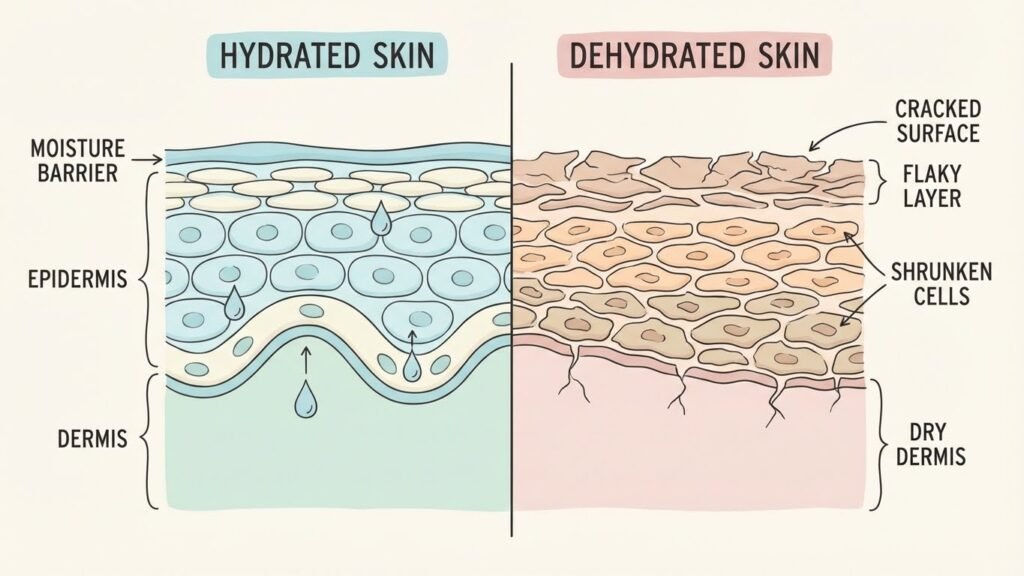
Hydrated skin = smoother-looking skin. Hyaluronic acid doesn’t erase wrinkles, but it makes them far less noticeable.

5. Niacinamide

What it does: Strengthens barrier, reduces fine lines
Why it works: Improves elasticity and reduces inflammation
Best for: Sensitive or uneven skin
When to use: AM or PM
One of the most versatile anti-aging ingredients out there — gentle but effective.

6. Alpha Hydroxy Acids (AHAs)

What they do: Exfoliate and smooth surface texture
Why they work: Remove dead skin cells that dull complexion
Best for: Rough texture, fine lines
When to use: PM, 1–3x weekly
Overuse is the fastest way to irritate your skin — moderation is key.

7. Ceramides

What they do: Support skin barrier
Why they work: Prevent moisture loss and inflammation
Best for: Dry, compromised skin
When to use: AM + PM
Barrier damage accelerates aging. Ceramides keep your skin resilient.

8. Antioxidants (Green Tea, Resveratrol)

What they do: Protect against environmental aging
Why they work: Neutralize oxidative stress
Best for: Urban or sun-exposed skin
When to use: AM
These are your skin’s invisible shield.

9. Growth-Supporting Botanical Extracts

What they do: Support repair and antioxidant activity
Why they work: Some plant actives have real clinical data
Best for: Sensitive or “clean beauty” users
When to use: AM or PM
Yes, natural anti-aging remedies can help — when backed by research.

10. Sunscreen (The Most Underrated Anti-Aging Product)

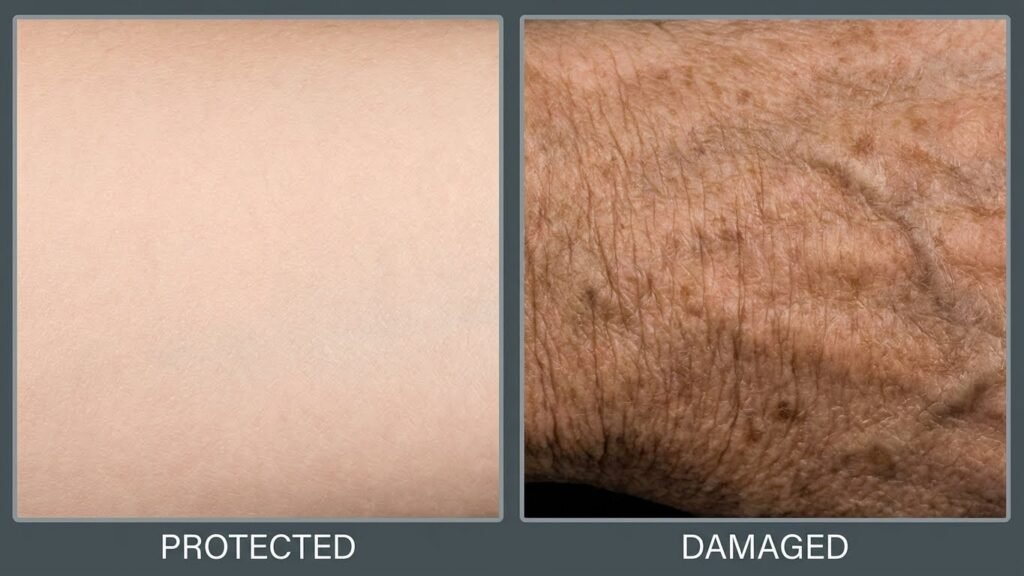
What it does: Prevents up to 80–90% of visible aging
Why it works: Stops UV-induced collagen breakdown
Best for: Everyone
When to use: AM, daily
No sunscreen? No anti-aging results. Period. (check out this broad-spectrum SPF 30+)


Collagen Boosters: What Actually Increases Collagen (And What Doesn’t)

Here’s the truth: topical skincare can stimulate collagen, not replace it. Ingredients like retinol, vitamin C, and sunscreen protect and encourage your skin’s own collagen production.
What doesn’t work? Most “collagen creams.” Collagen molecules are too large to penetrate skin — they hydrate, but they don’t rebuild.
If you’re shopping for collagen boosters, look for ingredients that signal production, not promise replacement.


Natural Anti-Aging Remedies: Helpful or Overhyped?

Natural ingredients can absolutely support aging skin — especially antioxidants like green tea or soothing oils. But they work best alongside proven actives, not instead of them.
Think of them as the supporting cast, not the main character.


How to Combine Anti-Aging Ingredients Safely

Mixing skincare incorrectly can cancel benefits or cause irritation.
Safe combos:

  • Retinol + ceramides
  • Vitamin C + sunscreen
  • AHAs + hydrating serums

Avoid:

  • Retinol + strong acids in the same routine
  • Over-exfoliating “just because”

Common Anti-Aging Skincare Mistakes

  • Chasing trends instead of consistency
  • Using too many actives at once
  • Skipping sunscreen
  • Expecting instant results

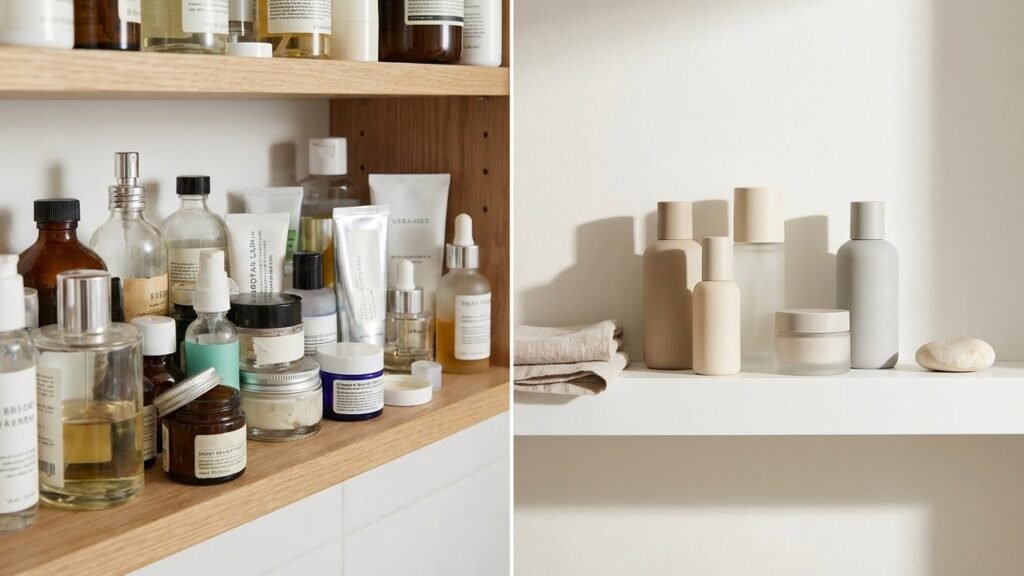
More products ≠ better skin.

FAQs: Anti-Aging Ingredients Explained

At what age should I start anti-aging skincare?
Mid-20s is ideal — prevention beats correction.
Can I use retinol every day?
Eventually, yes — but only after your skin adjusts.
Do expensive anti-aging products work better?
Not necessarily. Ingredients matter more than price.
Can sensitive skin use anti-aging ingredients?
Absolutely — choose gentler formulations and go slow.

Conclusion: Focus on Ingredients, Not Promises

The best anti-aging skincare isn’t flashy — it’s consistent, evidence-based, and realistic. When you focus on anti-aging ingredients that protect, stimulate, and hydrate, results follow.
Forget miracles. Build a routine that works with your skin, not against it — and aging becomes something you manage, not fear.
👉 Save this guide, build smarter routines, and explore ingredient-focused skincare that actually delivers.

Leave a Comment

Your email address will not be published. Required fields are marked *