

Aging Is Natural—But You Can Age Well
Here’s a truth bomb that might surprise you: your skin starts losing collagen at the tender age of 25. I know, I know—it feels unfair when you’re still figuring out your career, let alone your skincare routine. But here’s the thing about anti-aging skincare—it’s not about desperately clinging to your twenties or pretending time stands still.
Think of anti-aging skincare as your skin’s personal trainer. Just like how regular exercise keeps your body strong and resilient, the right skincare routine keeps your skin healthy, radiant, and functioning at its best. It’s not about denying your age; it’s about embracing it with confidence.
The global anti-aging market is projected to reach $421.4 billion by 2030, which tells us one thing: we’re all in this together. Whether you’re 32 and starting to notice those first laugh lines, or 55 and ready to upgrade your routine, this guide will walk you through everything you need to know about the best anti aging products and strategies that actually work.
What Is Anti-Aging Skincare Really About?
Let’s clear up some misconceptions right off the bat. Anti-aging skincare isn’t about chasing fountain-of-youth fantasies or erasing every sign that you’ve lived a full life. Modern anti-aging skincare is rooted in science, not wishful thinking.
At its core, anti-aging skincare focuses on three key pillars:
Protection: Shielding your skin from environmental damage (hello, daily SPF) and free radicals that accelerate aging.
Repair: Using ingredients like retinol, peptides, and antioxidants to help your skin repair existing damage and boost cellular turnover.
Optimization: Supporting your skin’s natural functions—maintaining its moisture barrier, promoting collagen production, and enhancing its natural glow.
Think of it this way: if your skin were a vintage car, anti-aging skincare would be the regular maintenance that keeps it running smoothly, looking great, and holding its value over time. You’re not trying to turn a 1970 Mustang into a 2024 model—you’re keeping that classic beauty in mint condition.
The beauty of modern anti-aging skincare is that it’s preventative and corrective. Start in your twenties, and you’re getting ahead of the game. Start in your forties, and you’re still making a meaningful difference. Your skin is remarkably resilient and responsive at any age.
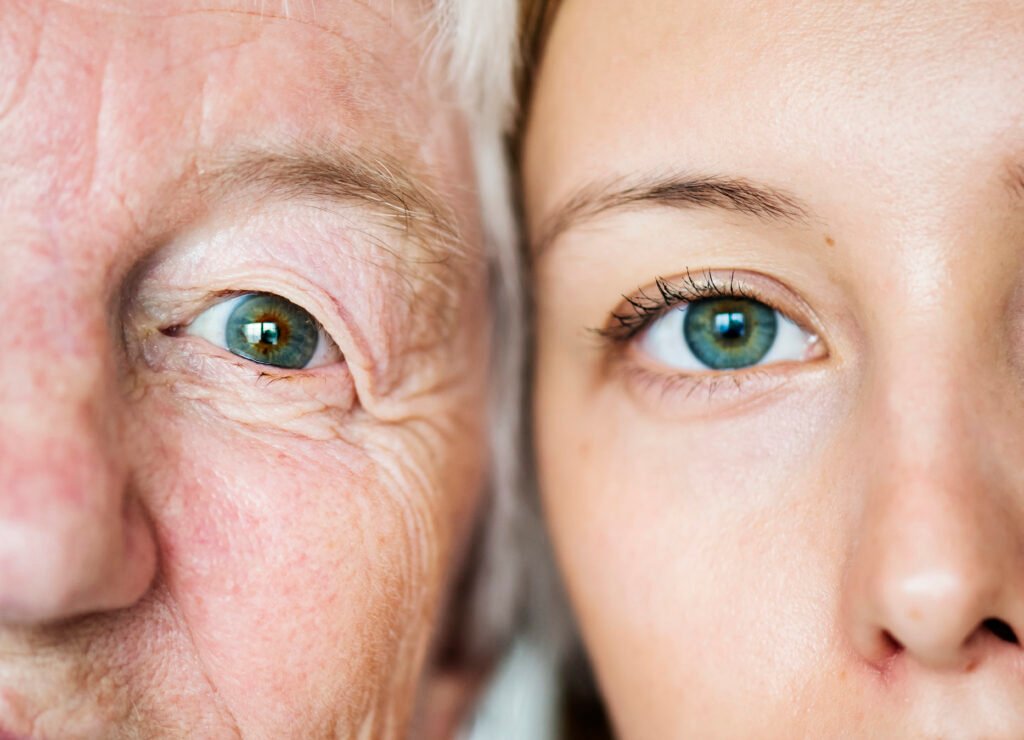
How Skin Ages: The 5 Key Changes to Watch
Understanding how your skin changes over time is like having a roadmap for your anti-aging skincare journey. Here are the five major changes your skin experiences as you age:
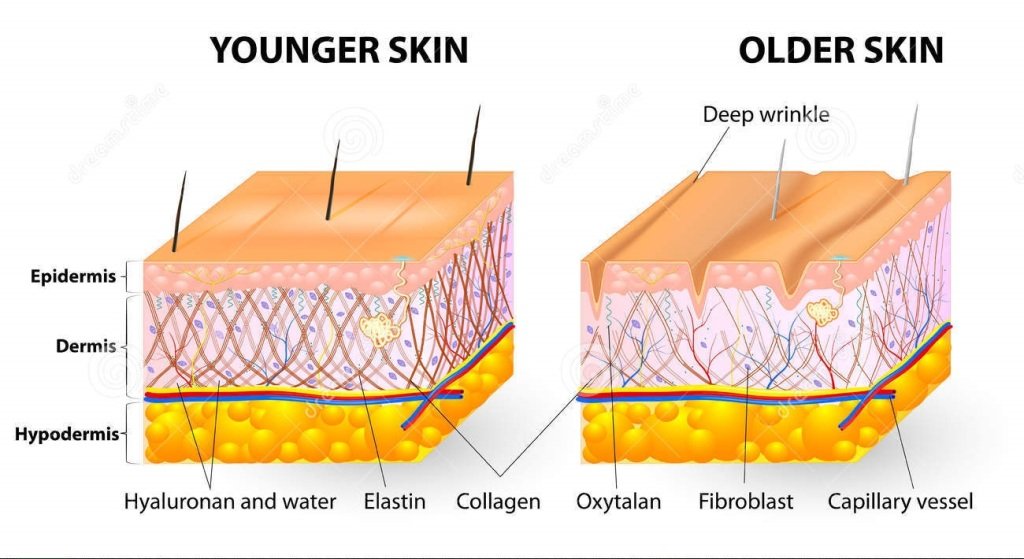
1. Collagen and Elastin Breakdown Starting in your mid-twenties, you lose about 1% of your collagen each year. Collagen is your skin’s scaffolding—it keeps everything plump and smooth. Elastin, meanwhile, is what snaps your skin back into place after you smile or frown. As these proteins diminish, you’ll notice fine lines, wrinkles, and a loss of firmness.
2. Decreased Cell Turnover Young skin regenerates every 28 days like clockwork. As you age, this process slows down, sometimes taking 40-60 days. The result? Dull, rough texture and a lackluster complexion that makeup can’t quite fix.
3. Moisture Barrier Weakening Your skin’s natural oil production decreases, and the moisture barrier becomes less effective at keeping hydration in and irritants out. This leads to dryness, sensitivity, and that feeling that your moisturizer just isn’t cutting it anymore.
4. Uneven Pigmentation Years of sun exposure, hormonal changes, and inflammation create dark spots, age spots, and uneven skin tone. Your skin’s melanin production becomes irregular, creating those frustrating patches that seem to appear overnight.
5. Loss of Volume and Structure Facial fat pads shift and diminish, bones remodel, and muscles lose tone. This creates hollowing around the eyes, sagging along the jawline, and changes in facial contours that no amount of contouring can replicate.
The good news? Understanding these changes means you can target them strategically with the right products and ingredients.
The Core Components of an Anti-Aging Skincare
Building an effective anti-aging skincare routine doesn’t require a pharmacy’s worth of products. Think of it as a well-orchestrated symphony where each product plays its part. Here’s your daily roadmap:
Morning Routine: Protect and Energize
Step 1: Gentle Cleanser Start with a mild, non-stripping cleanser that removes overnight buildup without compromising your skin barrier. Look for cream or gel formulas with ingredients like ceramides or hyaluronic acid.
Step 2: Antioxidant Serum This is where your anti aging serum shines. Vitamin C serums are the gold standard for morning use, protecting against free radical damage and boosting collagen production. Apply to clean, dry skin and let it absorb for 10-15 minutes.
Step 3: Moisturizer Choose a formula that supports your skin’s moisture barrier. Ingredients like hyaluronic acid, glycerin, and peptides work beautifully for anti-aging benefits.
Step 4: Broad-Spectrum SPF 30+ Non-negotiable. This single step prevents 80% of visible aging. Choose a formula you’ll actually want to wear daily—whether that’s a lightweight mineral sunscreen or a tinted moisturizer with SPF.
Evening Routine: Repair and Restore
Step 1: Double Cleanse (if wearing makeup/sunscreen) Oil cleanser first to dissolve makeup and sunscreen, followed by your regular cleanser.
Step 2: Treatment Products This is retinol cream territory. Start 2-3 times per week and gradually increase frequency. On non-retinol nights, consider acids (glycolic, lactic) or other actives.
Step 3: Hydrating Serum or Treatment Layer on hydration with hyaluronic acid serums or niacinamide treatments.
Step 4: Night Moisturizer Evening moisturizers can be richer and more occlusive since you don’t need to worry about SPF or makeup application.
Step 5: Face Oil (optional) For extra nourishment, especially in dry climates or during winter months.
The key is consistency over complexity. It’s better to use three products religiously than ten products sporadically.
Hero Ingredients That Actually Work
Not all skincare ingredients are created equal. While the beauty industry loves to hype the “next big thing,” these six ingredients have decades of research backing their anti-aging skincare credentials:
Retinol: The Gold Standard
What it does: Increases cell turnover, stimulates collagen production, and improves skin texture and tone. How to use: Start with 0.25% concentration 2-3 times per week, gradually increasing frequency and strength. Best for: Fine lines, wrinkles, uneven texture, and acne scarring. Pro tip: Always use at night and follow with SPF during the day.
Vitamin C: The Protector
What it does: Neutralizes free radicals, brightens skin, and supports collagen synthesis. How to use: Apply in the morning after cleansing, before moisturizer and SPF. Best for: Dull skin, dark spots, and environmental protection. Pro tip: Look for stable forms like magnesium ascorbyl phosphate if you have sensitive skin.
Hyaluronic Acid: The Hydrator
What it does: Holds up to 1,000 times its weight in water, plumping skin and reducing fine lines. How to use: Apply to damp skin, then seal with moisturizer. Best for: All skin types, especially dehydrated or aging skin. Pro tip: Layer different molecular weights for maximum hydration.
Niacinamide: The Multitasker
What it does: Regulates oil production, reduces inflammation, and improves skin barrier function. How to use: Can be used morning or evening, plays well with other ingredients. Best for: Large pores, uneven skin tone, and sensitive skin. Pro tip: Start with 5% concentration to avoid irritation.
Peptides: The Communicators
What it does: Signal skin to produce more collagen and repair damage. How to use: Apply to clean skin before heavier creams and oils. Best for: Loss of firmness, fine lines, and overall skin health. Pro tip: Look for copper peptides and signal peptides in anti aging serum formulations.
Chemical Exfoliants: The Renewers
What they do: Remove dead skin cells, improve texture, and enhance product absorption. How to use: Start 1-2 times per week, gradually increasing frequency. Best for: Dull skin, uneven texture, and clogged pores. Pro tip: AHAs (glycolic, lactic) for surface renewal, BHAs (salicylic) for pore-clearing.
The Best Anti-Aging Products for Every Budget
Here’s where the rubber meets the road. I’ve broken down the best anti aging products by category and budget, because great skin shouldn’t require a trust fund.
Best Anti Wrinkle Cream Options
Budget Pick: CeraVe Anti-Aging Retinol Serum ($18-25) This drugstore hero contains encapsulated retinol, ceramides, and hyaluronic acid. It’s gentle enough for beginners but effective for visible results. Pros: Affordable, fragrance-free, suitable for sensitive skin Cons: Lower retinol concentration, results take longer
Mid-Range: Neutrogena Rapid Wrinkle Repair Regenerating Cream ($23-30) Features accelerated retinol SA and glucose complex for faster cell turnover. Pros: Fast results, widely available, good for combination skin Cons: Can be drying, contains fragrance
Luxury: La Mer The Concentrate ($380-500) While pricey, this cream combines sea kelp, peptides, and their signature Miracle Broth. Pros: Immediate hydration, long-term firming benefits Cons: Very expensive, heavy texture may not suit oily skin
Top Anti Aging Serum Picks
Budget Champion: The INKEY List Hyaluronic Acid Serum ($10-15) Multiple molecular weights of hyaluronic acid for deep and surface hydration.
Mid-Range Marvel: Skinceuticals CE Ferulic ($169) The gold standard vitamin C serum with 15% L-ascorbic acid, vitamin E, and ferulic acid.
Luxury Leader: Estée Lauder Advanced Night Repair ($62-104) Chronolux Power Signal Technology and bifida ferment lysate for overnight repair.
Retinol Cream Recommendations
Gentle Introduction: Olay Regenerist Micro-Sculpting Cream ($25-35) Contains retinyl propionate (gentler retinol derivative) plus peptides and niacinamide.
Serious Results: Paula’s Choice Clinical 0.3% Retinol ($58) Pharmaceutical-grade retinol with peptides and antioxidants in an elegant cream base.
Professional Strength: SkinMedica Retinol Complex 1.0 ($98) Highest over-the-counter retinol concentration with soothing botanicals.
| Price Range | Best Anti Wrinkle Cream | Top Anti Aging Serum | Recommended Retinol |
|---|---|---|---|
|
Under $30
|
CeraVe Anti-Aging Retinol
|
The INKEY List HA Serum
|
Olay Regenerist
|
|
$30-100
|
Neutrogena Rapid Repair
|
Skinceuticals CE Ferulic
|
Paula’s Choice Clinical
|
|
$100+
|
La Mer The Concentrate
|
Estée Lauder ANR
|
SkinMedica Retinol 1.0
|
Retinol vs. Alternatives: What to Use (and When)
Retinol cream is often called the gold standard of anti-aging, but it’s not right for everyone. Here’s your guide to retinol and its gentler cousins:
When Retinol Is Your Best Friend
- You have normal to oily skin
- You’re not pregnant or breastfeeding
- You can commit to daily SPF use
- You want maximum anti-aging benefits
- Your skin tolerates active ingredients well
When to Consider Alternatives
Bakuchiol: The Plant-Based Alternative Derived from the babchi plant, bakuchiol delivers similar benefits to retinol without irritation. Perfect for sensitive skin, pregnancy, or those who can’t tolerate retinol.
Retinaldehyde: The Gentle Middle Ground One step closer to retinoic acid than retinol, but still gentler than prescription tretinoin. Great for those who find retinol too harsh but want stronger results than bakuchiol.
Peptides: The Sensitive Skin Solution Copper peptides and signal peptides stimulate collagen production without the potential irritation of retinoids. Ideal for rosacea-prone or very sensitive skin.
Alpha Hydroxy Acids: The Texture Improvers Glycolic and lactic acids provide surface renewal and can be used alongside or instead of retinoids for those focused on texture and radiance.
| Ingredient | Strength | Best For | Can Use During Pregnancy |
|---|---|---|---|
|
Retinol
|
High |
Maximum anti-aging
|
No |
|
Retinaldehyde
|
Medium-High
|
Sensitive skin wanting results
|
Consult doctor
|
|
Bakuchiol
|
Medium
|
Natural alternative
|
Yes
|
|
Peptides
|
Gentle
|
Very sensitive skin
|
Yes |
5 Common Anti-Aging Mistakes (And What to Do Instead)
Even with the best anti aging products, these mistakes can sabotage your results:
Mistake #1: Starting Too Strong, Too Fast The problem: Jumping straight to daily retinol or high-concentration acids causes irritation, redness, and peeling that sets you back weeks. The fix: Start with lower concentrations 2-3 times per week. Your skin needs time to build tolerance.
Mistake #2: Skipping SPF on “Low Sun” Days The problem: UV damage happens through windows, on cloudy days, and during winter. Skipping SPF undoes all your anti-aging efforts. The fix: SPF 30+ every single day, reapplied every 2 hours when outdoors.
Mistake #3: Using Too Many Actives at Once The problem: Layering retinol, vitamin C, acids, and other actives can cause chemical burns and severe irritation. The fix: Introduce one active at a time, space them out (vitamin C in AM, retinol in PM), and always listen to your skin.
Mistake #4: Expecting Overnight Results The problem: Most anti-aging skincare products take 8-12 weeks to show significant results. Giving up too early means missing out on real improvements. The fix: Take progress photos, be patient, and stay consistent for at least three months.
Mistake #5: Ignoring Your Neck and Chest The problem: Your face looks great, but your neck tells a different story because you forgot to extend your routine. The fix: Apply everything from your anti aging serum to your SPF down to your décolletage.
Expert Tips for Long-Term Skincare Success
After working with thousands of clients, these are the strategies that separate skincare success stories from product graveyard collections:
Start Your Day with Intention: Make your morning anti-aging skincare routine a mindful ritual, not a rushed afterthought. This mental shift increases consistency by 70%.
Track What Works: Keep a simple skincare journal or take monthly photos. It’s easy to forget progress when you see your face every day.
Adjust with the Seasons: Your skin’s needs change with humidity, temperature, and sun exposure. Lighter anti aging serum formulations in summer, richer creams in winter.
The 80/20 Rule: Consistency with basic products (cleanser, moisturizer, SPF) delivers 80% of your results. The remaining 20% comes from treatment products like retinol cream and specialized serums.
Listen to Your Skin: Redness, excessive dryness, or breakouts are your skin’s way of saying “too much, too fast.” Scale back and rebuild slowly.
As dermatologist Dr. Patricia Wexler notes, “The patients who see the best long-term results are those who view skincare as a daily habit, not a quick fix.”
Invest in Professional Guidance: An annual dermatologist consultation can prevent years of trial and error with unsuitable products.
FAQs: Your Anti-Aging Questions Answered
Q: When should I start using anti-aging products? A: Prevention is easier than correction, so your mid-twenties is ideal for starting with basic anti-aging skincare—SPF, antioxidants, and gentle hydration. However, it’s never too late to start. Your skin benefits from proper care at any age.
Q: Can I mix retinol and vitamin C? A: It’s generally best to use vitamin C in the morning and retinol cream at night to avoid potential irritation. If you want to use both in the same routine, apply vitamin C first, wait 20-30 minutes, then apply retinol. Start slowly and monitor your skin’s response.
Q: Do I need both serum and cream? A: Not necessarily, but they serve different purposes. Anti aging serum delivers concentrated active ingredients, while creams provide hydration and barrier protection. Think of serum as treatment and cream as maintenance. Dry or mature skin typically benefits from both.
Q: How long until I see results from anti-aging products? A: Surface improvements (hydration, radiance) appear within 2-4 weeks. Deeper changes (fine lines, texture, firmness) take 8-12 weeks with consistent use. Retinol cream and other actives require patience—your skin cell turnover cycle is 28-40 days.
Q: What’s the difference between anti-aging and anti-wrinkle products? A: Anti wrinkle cream specifically targets lines and creases, while anti-aging skincare encompasses prevention, hydration, protection, and overall skin health. Anti-wrinkle products are a subset of the broader anti-aging category.
Q: Can I use anti-aging products if I have sensitive skin? A: Absolutely! Choose gentle formulations with ingredients like bakuchiol instead of retinol, mineral sunscreens instead of chemical ones, and fragrance-free products. Start with lower concentrations and introduce products one at a time.
Final Thoughts: Take Control of Aging with Consistency and Care
Here’s what I want you to remember as you close this guide: anti-aging skincare isn’t about turning back the clock or chasing someone else’s definition of beauty. It’s about showing up for yourself every day with products and practices that support your skin’s health and your confidence.
The most effective anti-aging routine isn’t the most expensive one or the one with the most steps—it’s the one you’ll actually use consistently. Whether you start with a simple cleanser-moisturizer-SPF routine or gradually build up to include retinol cream and targeted serums, what matters is that you start.
Your skin is remarkably resilient and responsive. Those best anti aging products sitting in your cart right now? They can’t work if they stay there. That anti aging serum you’ve been researching for months won’t transform your skin from the bathroom shelf.
Start with one product today, and build your routine from there.
Choose the single product that excites you most—whether it’s a vitamin C serum for brighter skin or a gentle retinol cream for smoother texture. Use it consistently for a month, then add the next piece of your routine puzzle.
Remember, the best time to plant a tree was 20 years ago. The second-best time is now. Your future skin will thank you for the care you show it today.
Ready to transform your skincare routine? I’d love to hear about your anti-aging journey in the comments below. What’s your biggest skincare concern, and which product are you most excited to try?