Breakouts Aren't Just a Teenage Thing
Picture this: You’re getting ready for an important meeting, glance in the mirror, and there it is—a fresh breakout staring back at you. Sound familiar? If you thought acne was something you’d leave behind in high school, you’re not alone in that misconception.
Here’s a reality check that might surprise you: up to 50 million Americans struggle with acne annually, and it’s not just teenagers. Whether you’re dealing with your first adult breakout at 25 or you’ve been battling persistent acne for years, you deserve to know that effective acne treatment exists—and it doesn’t require a pharmacy degree to understand.
The truth is, skincare for acne has evolved dramatically in recent years. We now understand that treating and preventing breakouts isn’t about harsh scrubbing or drying out your skin until it resembles the Sahara Desert. It’s about smart, science-backed routines that work with your skin, not against it.
Ready to break free from the breakout cycle? Let’s dive into a comprehensive approach that treats existing acne and prevents future flare-ups, because your skin deserves better than guesswork and Pinterest hacks.
What Really Causes Acne? (And Why It Won't Just Go Away)
Before we jump into solutions, let’s get one thing straight: acne isn’t caused by dirty skin. I can’t stress this enough because this myth has led to more damaged skin barriers than I care to count.
Acne is actually a complex dance between four main factors:
1. Hormones Gone Wild Your hormones—particularly androgens—can trigger your sebaceous glands to produce excess oil. This happens during puberty, menstrual cycles, pregnancy, and even stress. Think of it like your skin’s oil production facility getting overly enthusiastic about its job.
2. Clogged Pores (The Traffic Jam) When dead skin cells don’t shed properly, they mix with that excess oil and create a plug in your pore. It’s like a traffic jam, but instead of cars, it’s cellular debris backing up in your follicles.
3. Bacterial Party Crashers Cutibacterium acnes (formerly Propionibacterium acnes) is a bacteria that normally lives on your skin peacefully. But when pores get clogged, it throws a party in that oxygen-free environment, leading to inflammation and those angry red bumps.
4. Inflammation (Your Skin’s Alarm System) Your immune system sees this bacterial party and sounds the alarm, sending inflammatory cells to the scene. This creates the redness, swelling, and pain associated with acne lesions.
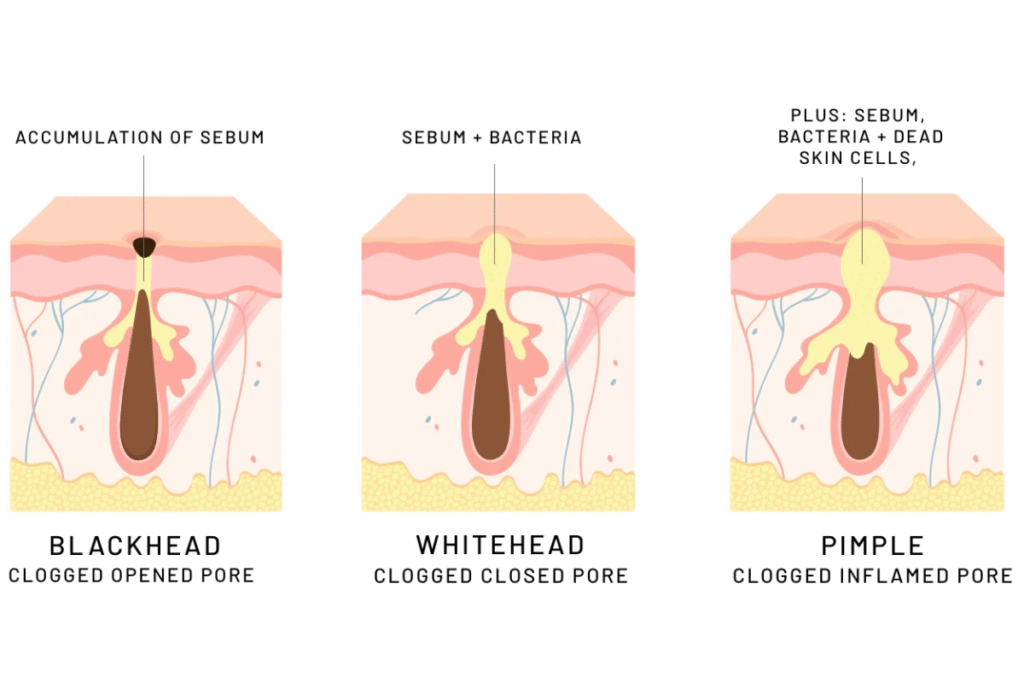
Understanding these mechanisms is crucial for effective acne prevention because it helps you choose treatments that target the root causes, not just the symptoms. Whether you’re dealing with:
- Whiteheads (closed comedones)
- Blackheads (open comedones)
- Papules (small red bumps)
- Pustules (pus-filled bumps)
- Cysts (deep, painful lumps)
The underlying process remains the same, which means your acne treatment strategy can be systematic and science-based rather than reactive and random.
Skincare for Acne: Step-by-Step Routine That Actually Works
Here’s where the rubber meets the road. After years of trial and error (and probably more skincare products than your bathroom cabinet can handle), you need a routine that’s both effective and sustainable.
The golden rule? Consistency beats intensity every single time. Gentle, persistent care will always trump aggressive, sporadic attacks on your skin.
Morning Routine: Your Daily Defense
Step 1: Cleanser for Acne Start with a cleanser for acne containing salicylic acid (0.5-2%) or benzoyl peroxide (2.5-5%). Salicylic acid is oil-soluble, meaning it can penetrate into pores to dissolve the gunk, while benzoyl peroxide kills acne bacteria on contact.
Pro tip: If you’re new to active ingredients, start with lower concentrations and work your way up. Your skin will thank you for the gentle introduction.
top rated salicylic acid cleanser : CeraVe renewing SA cleanser
Step 2: Treatment Layer Apply a treatment serum with niacinamide (5-10%) or azelaic acid (10-20%). Niacinamide is like a Swiss Army knife for acne-prone skin—it regulates oil production, reduces inflammation, and minimizes pore appearance. Azelaic acid is gentler but equally effective, with bonus antibacterial properties.
Step 3: Moisturizer Yes, even oily, acne-prone skin needs moisture. Look for non-comedogenic, oil-free formulas with ingredients like hyaluronic acid or glycerin. Skipping moisturizer is like leaving your skin’s protective barrier full of holes—not a good look.
Step 4: Sunscreen Non-negotiable. Choose zinc oxide or titanium dioxide-based sunscreens (SPF 30+) as they’re less likely to cause breakouts. Many best acne products actually make your skin more photosensitive, so sun protection isn’t optional—it’s mandatory.
Night Routine: Deep Repair Mode
Step 1: Double Cleanse (Optional) If you wear makeup or sunscreen, start with an oil cleanser, then follow with your regular cleanser for acne. Think of it as taking off your makeup’s makeup—thorough but not harsh.
Step 2: Exfoliating Toner (2-3x per week) Use a BHA (salicylic acid) or AHA (glycolic/lactic acid) toner to help with cell turnover and prevent pore-clogging. Start slowly—your skin needs time to adjust to increased exfoliation.
Step 3: Spot Treatment Target active breakouts with benzoyl peroxide, sulfur, or tea tree oil. Apply only to affected areas—no need to treat your entire face like it’s under siege. You can also try a discreet pimple patch like the best-selling Mighty Patch for targeted, on-the-spot care.
Step 4: Barrier Repair Moisturizer Choose something richer than your morning moisturizer, with ceramides, peptides, or hyaluronic acid. Night is when your skin does its heavy lifting for repair and regeneration.
The Non-Negotiable Rule: Introduce new products one at a time, spacing them 1-2 weeks apart. Your skin isn’t a science experiment—it’s an ecosystem that needs time to adapt.
Best Acne Products: What to Look For and What to Avoid
Navigating the skincare aisle can feel like trying to read hieroglyphics while blindfolded. Let me break down the best acne products by focusing on ingredients that actually have science behind them.
Your Acne-Fighting All-Stars:
Salicylic Acid (BHA): The pore-clearing champion. It’s oil-soluble, so it can dive deep into pores and dissolve the mixture of oil and dead skin cells that causes clogs. our recommendation : CeraVe Renewing SA Cleanser
Benzoyl Peroxide: The bacteria assassin. It releases oxygen into pores, creating an environment where acne bacteria can’t survive. Start with 2.5%—it’s just as effective as higher concentrations with less irritation. our recommendation : PanOxyl
Retinoids: The cellular traffic controllers. They speed up cell turnover, preventing dead skin cells from clogging pores while also having anti-inflammatory properties. our recommendation : SimplyVital Collagen
Niacinamide: The multitasker. It regulates oil production, reduces inflammation, and can even help fade post-acne marks. our recommendation : La Roche-Posay Toleriane Double Repair Face Moisturizer
Azelaic Acid: The gentle giant. Less irritating than other acids but equally effective, with antibacterial and anti-inflammatory properties. our recommendation : Anua Azelaic Acid 10 Hyaluron
Ingredients to Swipe Left On:
Coconut Oil: Despite the “natural” hype, it’s highly comedogenic (pore-clogging) for most people. our recommendation : Handcraft Blends Fractionated Coconut Oil
Alcohol-Heavy Toners: They strip your skin barrier, leading to more oil production and irritation.
Fragrance: Unnecessary irritant that can cause inflammation and sensitivity.
Lanolin: Common in moisturizers but can clog pores in acne-prone individuals. our recommendation : NOW Foods Solutions
Pro Shopping Tip: Look for products labeled “non-comedogenic” or “oil-free,” but remember that these terms aren’t regulated, so ingredient lists are your best friend.
Cleanser for Acne: Why It's the Most Important First Step
If your skincare routine were a house, your cleanser would be the foundation. Get this wrong, and everything else becomes an uphill battle.
The Great Cleanser Debate: Gel vs. Foam vs. Cream
Gel Cleansers: Best for oily, acne-prone skin. They typically contain salicylic acid or other acne-fighting ingredients and provide a deep clean without over-drying.
Foam Cleansers: Great for combination skin. They remove excess oil and impurities but can be slightly more drying than gels.
Cream Cleansers: Better for sensitive or dry acne-prone skin. They clean effectively while maintaining your skin barrier.
Top 3 Ingredients to Look For:
- Salicylic Acid (0.5-2%): Your daily pore-clearing hero
- Benzoyl Peroxide (2.5-5%): For bacterial control
- Gentle Surfactants: Like sodium cocoyl isethionate—effective cleansing without irritation
The Golden Rule of Cleansing:
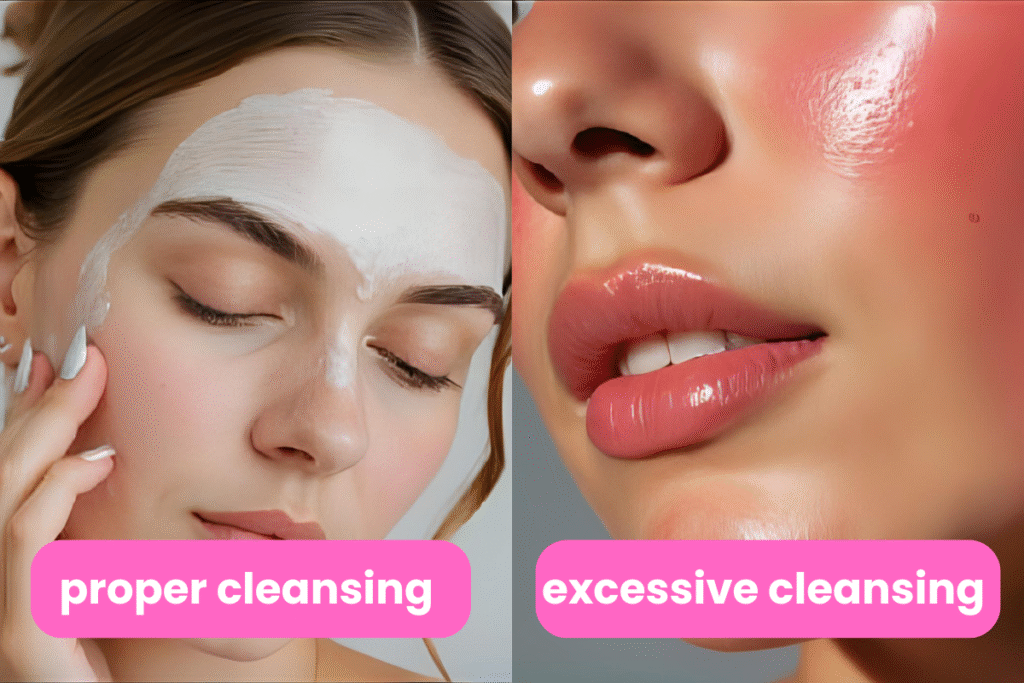
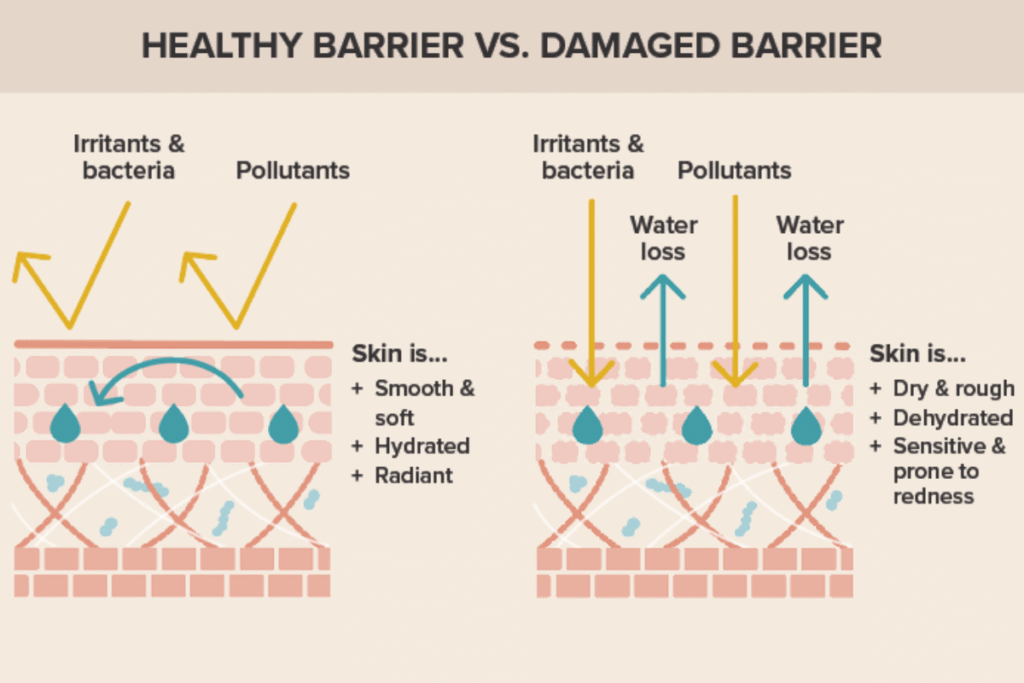
Don’t over-wash! Twice a day is enough. I know it’s tempting to scrub away the oil when you’re having a breakout day, but over-cleansing strips your barrier and signals your skin to produce more oil. It’s like your skin’s version of panic buying—counterproductive and messy.
Acne Prevention: Beyond Skincare (Lifestyle Habits That Matter)
Plot twist: some of the most effective acne prevention strategies happen outside your bathroom. Your pillowcase might be sabotaging your skincare routine, and your phone could be your skin’s worst enemy.
The Sneaky Acne Triggers:
Your Pillowcase: Change it 2-3 times per week. Oil, bacteria, and product residue build up on fabric, then transfer back to your face nightly. It’s like sleeping on a petri dish—gross but true.
Your Phone Screen: Wipe it down daily with an alcohol wipe. Your phone collects bacteria throughout the day, then you press it against your cheek during calls. Connect the dots.
Dietary Triggers: While not universal, some people find that dairy and high-glycemic foods (sugar, refined carbs) worsen their acne. The research is mixed, but if you notice patterns, consider experimenting with elimination.
Hydration: Drink adequate water (half your body weight in ounces is a good starting point). Dehydrated skin can overproduce oil to compensate.
Stress Management: Chronic stress increases cortisol, which can trigger oil production and inflammation. Find your stress-busting strategy—meditation, exercise, or binge-watching comfort shows (no judgment here).
Hair Products: If you’re breaking out along your hairline or temples, check your shampoo, conditioner, and styling products for comedogenic ingredients.
Common Mistakes That Make Acne Worse
Let’s talk about the skincare self-sabotage that’s keeping you in the breakout cycle. I’ve seen these mistakes so often that I should probably start a support group.
The Hall of Fame Bad Decisions:
Picking or Popping Pimples: I get it—the satisfaction is real. But you’re introducing bacteria, causing inflammation, and potentially creating scarring. Your fingernails are not sterile surgical instruments.
Using Alcohol-Heavy Toners: They feel tingly and “clean,” but they’re actually destroying your skin barrier and triggering more oil production. It’s like putting out a fire with gasoline.
Switching Products Too Frequently: Skincare isn’t fast fashion. Give products 6-8 weeks to work before deciding they’re not effective. Your skin needs time to adjust and show results.
Skipping Moisturizer: “But my skin is oily!” Yes, and dehydrated oily skin produces even more oil to compensate. Moisturizer is not the enemy—the wrong moisturizer is.
Over-Exfoliating: More is not better. Using multiple exfoliating products or using them too frequently can cause irritation, sensitivity, and—ironically—more breakouts.
Going Nuclear on Breakouts: Resist the urge to use every acne treatment product simultaneously. Your skin is not a battlefield—it’s a delicate ecosystem that responds better to gentle, consistent care.
FAQs: Acne Skincare Questions You're Probably Asking
Q: How long does it take for acne products to work? A: Patience, grasshopper. Most acne treatment products need 6-12 weeks to show significant improvement. Some people see initial changes in 2-4 weeks, but don’t give up if you’re not seeing results immediately. Your skin’s cellular turnover cycle is about 28 days, so you need to go through multiple cycles to see real change.
Q: Can I wear makeup if I have acne? A: Absolutely! Look for non-comedogenic, oil-free foundations and concealers. Many best acne products now include makeup formulated specifically for acne-prone skin. Just make sure to remove it thoroughly with a gentle cleanser.
Q: Should I use the same products for body acne? A: Body skin is thicker and can tolerate stronger formulations. You can use the same active ingredients (salicylic acid, benzoyl peroxide) but in higher concentrations. Body washes with 2% salicylic acid are particularly effective for back and chest acne. (here’s a recommended body acne product)
Q: What if my acne gets worse before it gets better? A: This is called “purging,” and it’s actually a good sign when starting retinoids or exfoliating acids. Your skin is expelling impurities that were already forming under the surface. True purging should improve within 4-6 weeks. If it continues beyond that, you might be experiencing irritation rather than purging.
Q: Can I use multiple acne treatments at once? A: Slow your roll. Start with one active ingredient and add others gradually. Using benzoyl peroxide, salicylic acid, and retinoids all at once is like taking three different headache medications—overkill and potentially harmful.
Clearer Skin Starts with Smarter Skincare
Here’s what I want you to remember as you embark on your journey to clearer skin: acne treatment isn’t about perfection—it’s about progress. You don’t need to have a 47-step routine or spend your rent money on products. You need consistency, patience, and the right ingredients working in harmony.
The key takeaways for effective skincare for acne:
- Start with a gentle cleanser for acne containing salicylic acid or benzoyl peroxide
- Build a routine slowly, introducing one new product every 1-2 weeks
- Focus on acne prevention through both skincare and lifestyle habits
- Choose best acne products based on proven ingredients, not marketing hype
- Give products time to work—6-8 weeks minimum before making changes
Remember, everyone’s skin is different. What works for your best friend might not work for you, and that’s okay. The goal isn’t to have perfect skin (spoiler alert: no one does, despite what Instagram suggests)—it’s to have healthy, happy skin that you feel confident in.
Your skin has carried you through every day of your life. It’s time to return the favor with some smart, science-backed TLC.