
The Problem: Why Self-Care Often Feels Out of Reach
Let’s be honest about the barriers standing between you and consistent self-care for mental health. It’s not just about money—though that’s certainly a factor when face serums cost more than your monthly coffee budget.
The real culprits keeping you from affordable self-care include:
- Time scarcity – Between work, family, and endless to-do lists, carving out even 10 minutes feels impossible
- Financial guilt – That voice in your head saying “You don’t deserve this” or “This money should go toward bills”
- Overwhelm – The internet’s endless advice makes simple self-care feel complicated and expensive
- All-or-nothing thinking – Believing that if you can’t do a full spa day, why bother at all?
- Comparison trap – Feeling inadequate when your routine doesn’t match the curated perfection you see online
These mental blocks are more damaging than any missed face mask. When we skip self-care entirely because we can’t afford the “Instagram-worthy” version, we’re essentially telling ourselves we’re not worth 10 minutes of attention. That’s where the real work begins—in your mind, not your wallet.
The beauty of budget-friendly wellness is that it forces you to get creative and focus on what actually matters: consistency, intention, and self-compassion.

Shift the Mindset: Self-Care = Consistency, Not Cost
Real talk: The $150 facial you get once a month isn’t doing as much for your skin (or soul) as a simple daily self-care activities routine that costs virtually nothing.
Wellness on a budget is about building micro-habits that compound over time. Think of it like investing—small, consistent contributions yield better results than occasional splurges. Here’s what effective, free self-care actually looks like:
Five Daily Self-Care Habits That Cost $0:
- The 5-Minute Morning Check-In – Before grabbing your phone, take five deep breaths and set one intention for the day
- Hydration Ritual – Make your first glass of water feel special with a squeeze of lemon or a few mint leaves
- Gratitude Texting – Send one genuine compliment or thank-you text daily (boosts both your mood and someone else’s)
- Sunset Walk – Even 10 minutes outside resets your nervous system and gives you vitamin D
- Phone-Free Wind-Down – Spend the last 30 minutes before bed without screens, doing something that brings you joy
Notice how none of these require special products, subscriptions, or significant time investment? That’s intentional. Self-care for mental health thrives on simplicity and sustainability, not complexity and cost.
The magic happens when you realize that taking care of yourself isn’t about what you buy—it’s about how consistently you show up for your own well-being.

Budget Beauty Tips That Actually Work
Let’s talk about budget beauty tips that deliver real results without the luxury price tag. The beauty industry wants you to believe that effective skincare requires a 12-step routine and products with unpronounceable ingredients. The reality? Some of the most effective beauty solutions are sitting in your kitchen cabinet right now.
Smart Swaps That Save Money and Work Better
Problem: Expensive makeup remover
Hack: Use coconut oil or jojoba oil
Why it works: These natural oils dissolve even waterproof mascara while moisturizing your skin, eliminating the need for separate eye cream
Problem: Overpriced face masks
Hack: Mix honey with oatmeal for a gentle exfoliating mask
Why it works: Honey is naturally antibacterial and moisturizing, while oatmeal soothes inflammation—same benefits as $40 masks
Problem: Multiple skincare products
Hack: Invest in aloe vera gel as your everything product
Why it works: Use it as moisturizer, makeup primer, after-sun care, and spot treatment. One $3 bottle replaces four separate products
The Minimalist Beauty Philosophy
The most effective low-cost beauty routines focus on consistency over complexity. Instead of chasing every trending ingredient, master the basics:
- Cleanse with a gentle, drugstore face wash (CeraVe and Cetaphil offer dermatologist-approved options under $15)
- Moisturize with a simple, fragrance-free lotion
- Protect with daily SPF (the most anti-aging step you can take)
- Treat problem areas with targeted, affordable ingredients like niacinamide or retinol
Pro tip: Buy cheap beauty products that focus on proven ingredients rather than fancy packaging. The Ordinary, CeraVe, and drugstore brands often contain the same active ingredients as luxury products at a fraction of the cost.
Beauty Hacks That Cost Pennies
- Ice cubes on your face reduce puffiness and tighten pores (free and instant)
- Cold spoons on under-eyes depuff better than expensive eye patches
- Vaseline as lip balm and highlighter gives you that glossy, expensive look for $2
- Baby oil for body moisturizes and creates a subtle glow (works better than many $50 body oils)
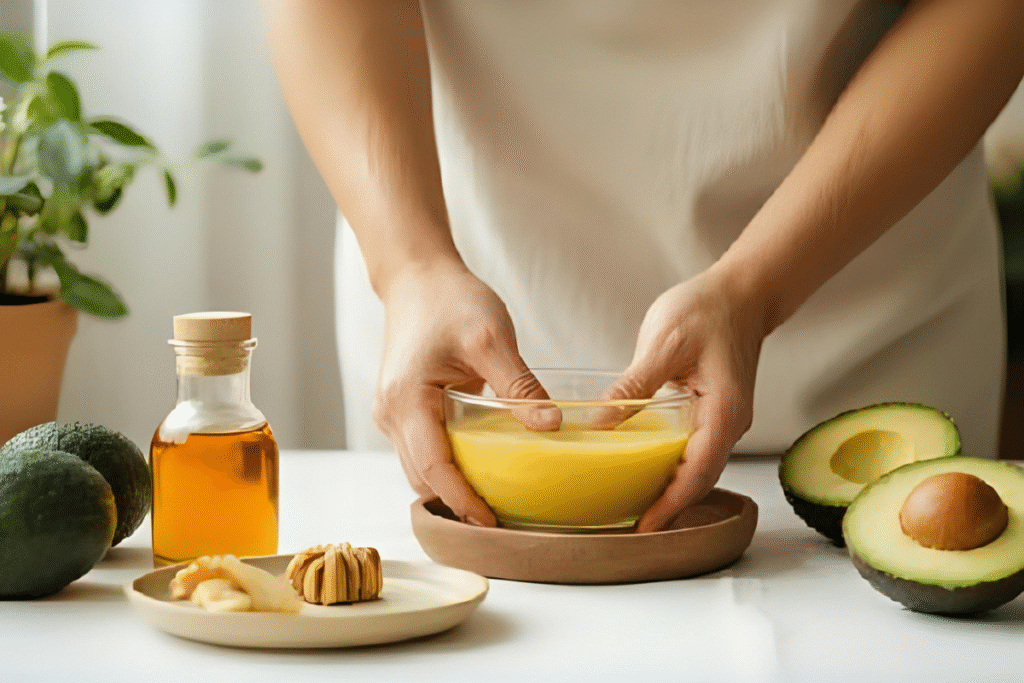
DIY Beauty Treatments from Your Kitchen or Pantry
Your kitchen is basically an untapped spa, and these DIY beauty treatments prove you don’t need to leave home (or spend much money) to pamper yourself like a queen.
The Honey-Oat Glow Mask
Ingredients: 2 tbsp rolled oats + 1 tbsp honey + 1 tsp water
Method: Blend oats into a fine powder, mix with honey and water to form a paste
Application: Apply to clean face, leave for 15 minutes, rinse with warm water
Cost: Under $1 per mask
Benefits: Gentle exfoliation, deep moisturization, and natural antibacterial properties
Coffee Ground Body Scrub
Ingredients: Used coffee grounds + 2 tbsp coconut oil + 1 tsp vanilla extract
Method: Mix ingredients until you have a paste consistency
Application: Gently scrub in circular motions in the shower, focusing on rough areas
Cost: Basically free (using coffee grounds you’d throw away)
Benefits: Exfoliates dead skin, improves circulation, and leaves skin incredibly soft
Avocado Hair Mask for Shine
Ingredients: 1 ripe avocado + 1 tbsp olive oil + 1 egg yolk
Method: Mash avocado until smooth, mix in oil and egg yolk
Application: Apply to damp hair from mid-length to ends, leave for 20 minutes, shampoo out
Cost: About $2 per treatment
Benefits: Deep conditioning, adds shine, and repairs damage from heat styling
Cucumber Eye Treatment
Ingredients: 1 cucumber (chilled)
Method: Slice into rounds
Application: Lie back and place slices over closed eyes for 10 minutes
Cost: $1 or less
Benefits: Reduces puffiness, hydrates delicate under-eye skin, and feels incredibly refreshing
These beauty hacks at home work because they use ingredients that have been nurturing skin for centuries, long before the beauty industry convinced us we needed complex formulations.
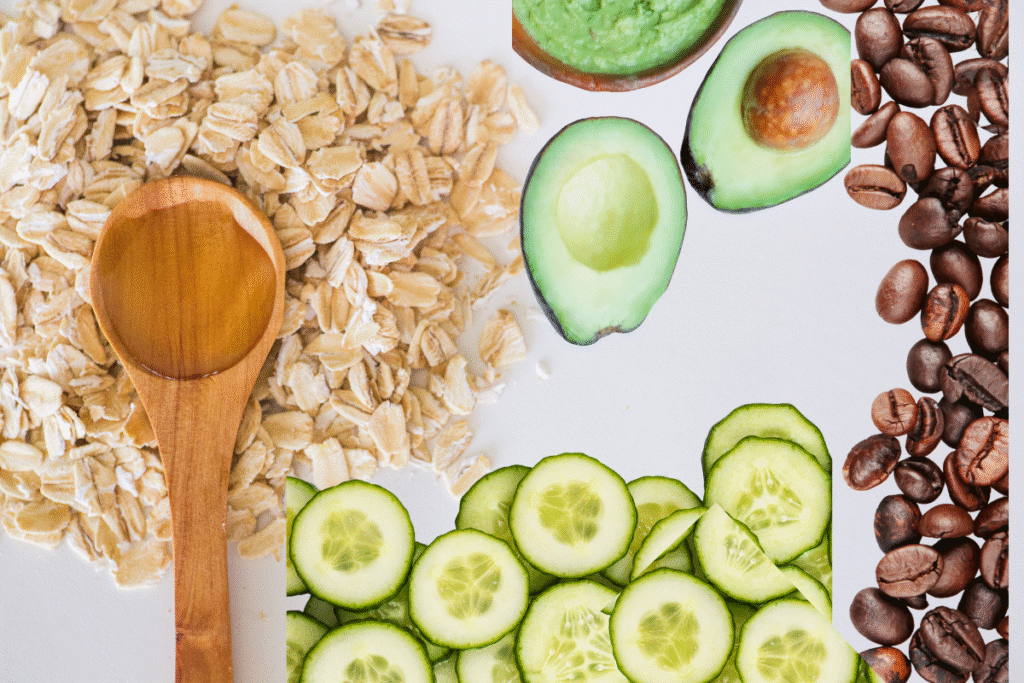
Home Wellness Ideas for the Body & Mind
Self-care for mental health extends far beyond skincare. True wellness happens when you create rituals that ground your nervous system and reconnect you with yourself—and most of these home wellness ideas are completely free.
Movement That Doesn't Require a Gym Membership
10-Minute Morning Yoga Flow: Start with child’s pose, move through cat-cow stretches, hold downward dog, and end in savasana. YouTube has thousands of free routines, and all you need is floor space.
Dance Kitchen Sessions: Put on your favorite playlist and dance while cooking dinner. It’s cardio disguised as joy, and it transforms mundane tasks into celebration.
Walking Meditation: Instead of scrolling your phone during walks, focus on your breath and surroundings. This simple shift turns exercise into moving meditation.
Mental Health Practices on a $0 Budget
Journaling Prompts for Clarity:
- What am I grateful for right now?
- What’s one thing I can let go of today?
- How do I want to feel at the end of this week?
DIY Aromatherapy: Place a few drops of essential oil on a cotton ball near your workspace, or add them to a warm bath. Lavender, peppermint, and eucalyptus oils cost under $10 and last months.
Herbal Foot Soak Ritual: Fill a basin with warm water, add Epsom salts and dried herbs from your spice rack (rosemary, thyme, or chamomile tea bags work beautifully). Soak for 15 minutes while reading or listening to music.
Connection and Community Wellness
Phone-a-Friend Therapy: Schedule regular check-ins with people who fill your cup. Meaningful conversation is proven to reduce stress and boost mood.
Nature Immersion: Even 20 minutes outside lowers cortisol levels and improves focus. If you live in the city, find a park, sit by a window with plants, or watch clouds.
Digital Sunset: Create a daily ritual of putting devices away one hour before bed. Use this time for reading, stretching, or simply being present with your thoughts.
The most powerful wellness on a budget practices are often the simplest ones that connect you back to your body, breath, and the present moment.

Inexpensive Wellness Products Worth Trying
While free self-care is fantastic, sometimes a small investment can elevate your routine significantly. These inexpensive wellness products deliver serious value without breaking your budget:
Under $10 Game-Changers
Dry Brush ($8-12): Improves circulation, exfoliates skin, and gives you an energy boost. Use it before showering with upward strokes toward your heart.
Epsom Salts ($3-5): Transform any bath into a muscle-relaxing, stress-melting experience. Add a cup to warm water and soak your worries away.
Gua Sha Stone ($6-15): This ancient tool reduces facial tension, improves circulation, and gives you a natural glow. Use it with your regular moisturizer.
$15-20 Investments That Keep Giving
Satin Pillowcase ($12-18): Prevents hair breakage and reduces facial wrinkles while you sleep. It’s beauty treatment that requires zero effort.
Essential Oil Diffuser ($15-20): Creates instant ambiance and can improve sleep, focus, or mood depending on which oils you choose.
Foam Roller ($15-25): Works out muscle tension and improves flexibility. It’s like having a massage therapist on call.
Smart Supplement Choices
Magnesium ($8-15): Supports better sleep, reduces muscle tension, and helps manage stress. Look for magnesium glycinate for better absorption.
Vitamin D ($6-12): Especially important if you spend most of your time indoors. It supports immune function and mood regulation.
These cheap beauty products and wellness tools prove that you don’t need to spend a fortune to invest in your wellbeing. The key is choosing versatile products that serve multiple purposes.
How to Build a No-Stress Self-Care Routine on a Budget
Creating sustainable daily self-care activities isn’t about perfection—it’s about consistency and flexibility. Here’s how to build an affordable self-care routine that actually sticks:
The SIMPLE Framework
Start small (5-10 minutes daily)
Identify your non-negotiables (what makes you feel most human?)
Make it measurable (track just one habit at first)
Personalize it (your routine should fit your life, not someone else’s)
Link to existing habits (stack new habits onto established ones)
Evaluate and adjust weekly (what’s working? What isn’t?)
Sample Budget-Friendly Routines
The 10-Minute Morning:
- 3 minutes: Stretch in bed before getting up
- 2 minutes: Drink water with lemon while setting daily intention
- 5 minutes: Simple skincare routine (cleanse, moisturize, SPF)
The 15-Minute Evening Wind-Down:
- 5 minutes: Gentle face cleansing ritual
- 5 minutes: Write three things you’re grateful for
- 5 minutes: Herbal tea while doing light stretches
Weekend Wellness Hour:
- 20 minutes: DIY face mask while taking a bath
- 20 minutes: Meal prep healthy snacks for the week
- 20 minutes: Organize and tidy your space (clean environment = clearer mind)
Making It Sustainable
Batch Your Self-Care: Prep DIY treatments on Sunday, set out tomorrow’s workout clothes, or prepare wellness snacks for busy weekdays.
Use Transition Times: Practice breathing exercises during commutes, do calf raises while brushing teeth, or listen to podcasts while doing skincare.
Create Visual Reminders: Keep your face oil next to your toothbrush, place your journal on your pillow, or set out yoga clothes the night before.
Remember, self-care for beginners is all about progress, not perfection. Start with one small habit and build from there.
Common Self-Care Myths That Keep You from Prioritizing Yourself
Let’s bust some myths that keep you stuck in the “I can’t afford self-care” mindset:
Myth #1: “I Don’t Have Time”
Truth: You need as little as 5 minutes to reset your nervous system. The time you spend scrolling social media could be used for breathing exercises, gratitude practice, or gentle stretching.
Myth #2: “Self-Care Is Selfish”
Truth: Taking care of yourself makes you more present and patient with others. You can’t pour from an empty cup—self-care for mental health is essential for being your best self in all relationships.
Myth #3: “It Has to Be Expensive to Work”
Truth: The most effective wellness practices—sleep, movement, connection, and stress management—cost nothing. Affordable self-care often works better because it’s sustainable long-term.
Myth #4: “I Need a Perfect Routine”
Truth: Consistency beats perfection every time. Doing something small daily creates more benefits than elaborate weekly routines you can’t maintain.
Myth #5: “Self-Care Is Just Bubble Baths and Face Masks”
Truth: Real self-care includes setting boundaries, saying no to draining commitments, eating nourishing food, and managing your mental health. It’s about caring for your whole self, not just pampering.
These limiting beliefs keep you stuck in cycles of burnout and resentment. Wellness on a budget starts with giving yourself permission to prioritize your wellbeing, regardless of your financial situation.

FAQs: Real-Life Questions About Budget Self-Care
Q: What is the cheapest way to practice self-care? A: Focus on free activities that reset your nervous system: deep breathing, walking outside, drinking more water, getting adequate sleep, and practicing gratitude. These foundational practices cost nothing but deliver significant mental and physical benefits.
Q: Are DIY beauty treatments safe for sensitive skin? A: Most kitchen ingredients are gentler than commercial products, but always patch test first. Honey, oatmeal, and aloe vera are generally safe for sensitive skin. Avoid citrus, baking soda, or anything that causes tingling if you have reactive skin.
Q: How can I make time for self-care with a busy schedule? A: Start with “habit stacking”—add self-care to existing routines. Do breathing exercises while your coffee brews, apply a face mask while dinner cooks, or practice gratitude while brushing teeth. Daily self-care activities don’t need separate time slots.
Q: What are the best dollar-store self-care products? A: Look for Epsom salts, cotton pads, basic moisturizers, nail files, and tea bags. These stores often carry essential oils, candles, and basic skincare that work just as well as expensive versions for budget beauty tips.
Q: How do I stay motivated when progress feels slow? A: Track how you feel, not just what you do. Self-care for beginners is about building self-awareness and consistency. Notice improvements in sleep quality, stress levels, or skin texture rather than expecting dramatic overnight changes.
Q: Can self-care really help with mental health on a budget? A: Absolutely. Movement, sunlight, social connection, and stress-reduction techniques are proven to support mental wellness. While self-care for mental health isn’t a replacement for professional treatment, it’s a powerful complement that’s accessible to everyone.
Conclusion: Consistent, Affordable Self-Care Is the Real Luxury
Here’s what I’ve learned after years of trying every expensive wellness trend: the most transformative affordable self-care isn’t found in luxury stores or exclusive spas. It’s in the quiet moments when you choose to treat yourself with the same kindness you’d show a dear friend.
Wellness on a budget isn’t about settling for less—it’s about recognizing that the most powerful self-care practices have always been simple, accessible, and free. The ancient practices of breathwork, movement, connection with nature, and mindful eating didn’t require subscriptions or special equipment. They just required showing up for yourself, consistently and compassionately.
The real luxury isn’t spending money on self-care; it’s having the self-respect to prioritize your wellbeing regardless of your bank balance. It’s understanding that you deserve to feel good in your skin, to have energy for the people and activities you love, and to move through your days with intention rather than just survival.
Every time you choose the 10-minute morning routine over scrolling your phone, every time you make your own face mask instead of skipping skincare altogether, every time you take three deep breaths instead of rushing to the next task—you’re investing in the most important relationship you’ll ever have: the one with yourself.
Ready to start your budget-friendly wellness journey?
Remember: Self-care for mental health starts with small, consistent choices. You don’t need permission from your bank account to start taking better care of yourself today.