

The Link Between What You Eat and How You Glow
Here’s a beauty secret that doesn’t come in a jar: your skin regenerates completely every 28 days, and what you eat during that cycle determines whether you’ll glow like a goddess or look like you’ve been living on coffee and stress. I learned this the hard way after years of slathering expensive serums on my face while demolishing bags of chips for dinner.
The concept of nutrition for beauty isn’t just wellness industry fluff—it’s backed by solid science. Your skin is your body’s largest organ, and like every other part of you, it needs specific nutrients to function at its best. When you nourish yourself from the inside out, you’re not just feeding your cells; you’re creating the foundation for that enviable, no-filter glow.

In this guide, you’ll discover exactly how to eat for radiant skin, which foods are your complexion’s best friends (and worst enemies), and simple meal swaps that’ll have people asking about your skincare routine when the real magic is happening at your dinner table. Beauty from the inside out isn’t just a catchy phrase—it’s your new lifestyle.
Why Diet Is the Foundation of Radiant Skin
Think of your skin as a construction site that never sleeps. Every day, your body is building new skin cells, producing collagen, and fighting off environmental damage. But here’s the kicker: this 24/7 construction crew needs the right materials to do their job well.
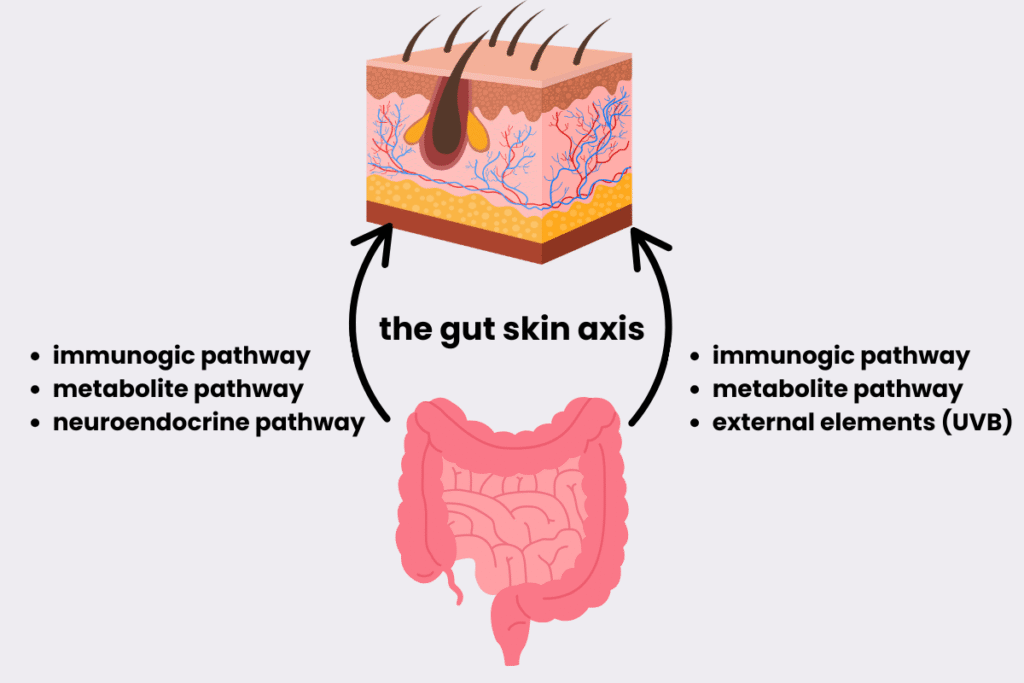
The gut-skin axis is where the magic begins. Your digestive system doesn’t just break down food—it’s constantly communicating with your skin through your bloodstream and immune system. When your gut is happy and balanced, it shows up as clear, hydrated skin. When it’s struggling with inflammation or poor nutrient absorption, your complexion often pays the price.
Let’s talk about the VIP nutrients for diet for glowing skin:
Vitamin A rebuilds skin tissue and prevents that dull, flaky look. Vitamin C is your collagen production manager—without enough, your skin loses its bounce and develops fine lines faster. Vitamin E acts like a bodyguard against free radicals, while zinc keeps inflammation in check and helps wounds heal properly.
Omega-3 fatty acids deserve special mention—they’re like internal moisturizers, keeping your skin supple and reducing inflammation that can trigger breakouts or irritation. Meanwhile, when you eat too much sugar, it triggers a process called glycation, which literally damages collagen and elastin, leading to premature aging and dull skin.
The bottom line? Vitamins for skin health aren’t optional—they’re essential building blocks. Skip them, and your skin will let you know.
The Top 10 Best Foods for Glowing Skin
Ready to turn your grocery list into a beauty arsenal? These superfoods for beauty pack serious skin-loving nutrients that’ll transform your complexion from the inside out.
1. Avocados
These green gems are loaded with healthy monounsaturated fats that keep your skin moisturized naturally. Add half an avocado to your morning toast or blend it into smoothies for instant skin benefits.
2. Berries (All of Them!)
Blueberries, strawberries, and raspberries are antioxidant powerhouses that fight free radical damage. Toss a handful into your yogurt or oatmeal—your future self will thank you.
3. Wild-Caught Salmon
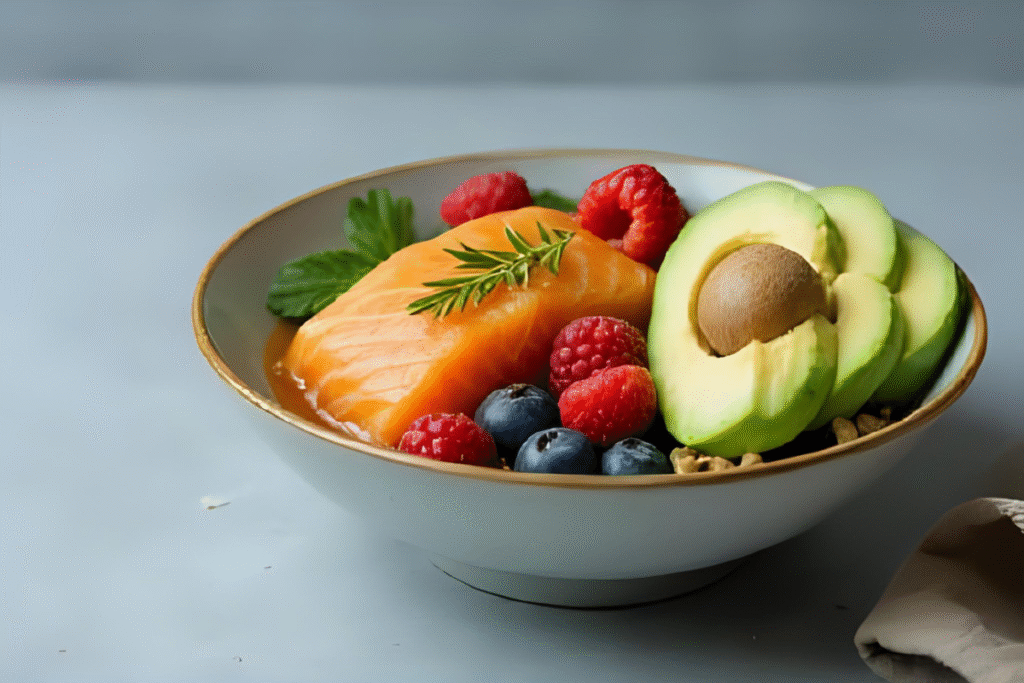
Those omega-3s we talked about? Salmon is swimming with them. Two servings per week can visibly improve skin hydration and reduce inflammation.
4. Sweet Potatoes
Beta-carotene in sweet potatoes converts to vitamin A in your body, giving you that subtle, healthy glow. Roast them with a drizzle of olive oil for maximum absorption.
5. Green Tea
Polyphenols in green tea are like tiny anti-inflammatory warriors for your skin. Swap your afternoon coffee for matcha and watch your complexion calm down.
6. Dark Chocolate (70% or Higher)
Yes, chocolate made the list! Flavonoids improve blood flow to your skin and protect against UV damage. A square or two daily is all you need—this isn’t a free pass to demolish the entire bar.
7. Walnuts
These brain-shaped nuts are packed with alpha-linolenic acid (a type of omega-3) that helps maintain your skin’s barrier function. Sprinkle them on salads or eat them as a mid-afternoon snack.
8. Tomatoes
Lycopene in tomatoes acts like an internal sunscreen, protecting your skin from UV damage. Cooked tomatoes are even better than raw—make that marinara sauce work double duty.
9. Leafy Greens
Spinach, kale, and arugula deliver folate, iron, and vitamins A, C, and K. Blend them into smoothies if eating salads feels like a chore (we’ve all been there).
10. Pumpkin Seeds
These tiny nutritional powerhouses are loaded with zinc, which helps regulate oil production and reduce acne. Roast them with sea salt for a crunchy skin-boosting snack.
Pro tip: Aim to include at least 3-4 of these best foods for skin in your daily routine. Your skin will start showing improvements within 2-4 weeks of consistent intake.
Anti-Beauty Foods: What to Limit for Clearer, Healthier Skin
Let’s be real—I’m not about to tell you to never eat pizza again. But some foods are basically sending your skin inflammatory love letters, and not the good kind. Here’s what to enjoy in moderation for your most radiant complexion:
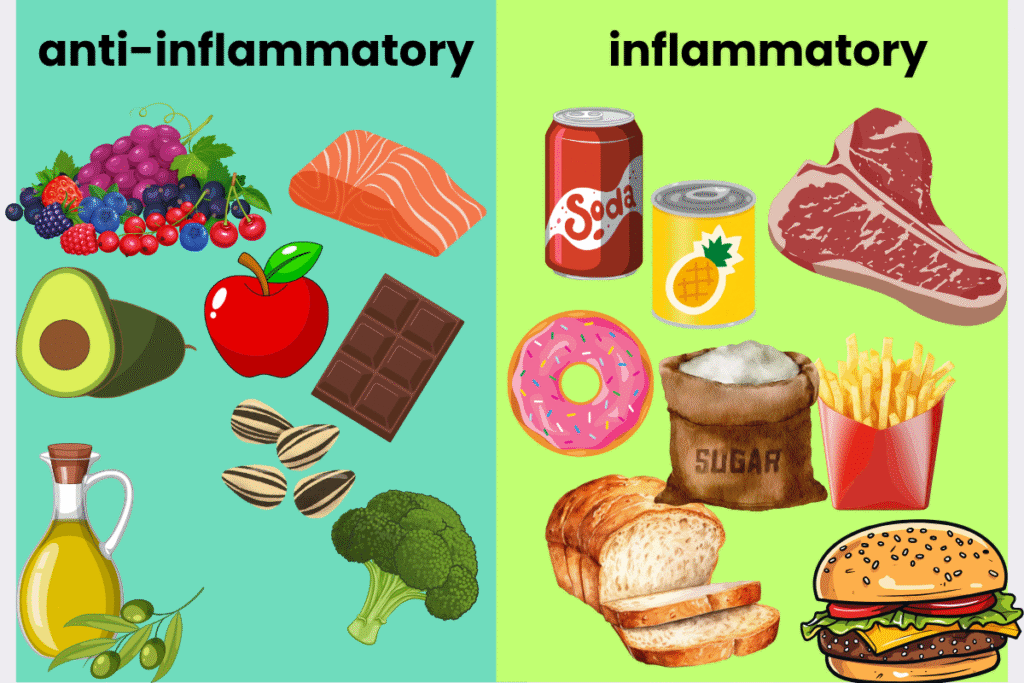
High-Glycemic Foods like white bread, pastries, and sugary drinks cause insulin spikes that trigger inflammation and can worsen acne. When you do indulge, pair these foods with protein or fiber to slow down sugar absorption.
Dairy is controversial—some people’s skin loves it, others break out from even looking at cheese. If you suspect dairy is triggering breakouts, try eliminating it for 30 days and see what happens. You might be surprised.
Alcohol is basically a dehydration machine that also taxes your liver (your body’s main detox organ). This doesn’t mean you can’t enjoy wine with dinner, but your skin will look better if you alternate alcoholic drinks with water and keep consumption moderate.
Excess Caffeine can increase cortisol levels and worsen skin conditions like acne or rosacea. If you’re a coffee lover, try limiting yourself to 1-2 cups daily and see if your skin calms down.
Remember, this isn’t about perfection—it’s about balance. The 80/20 rule works beautifully here: eat anti-inflammatory foods 80% of the time, and don’t stress about the other 20%.
How Gut Health Affects Your Skin: What You Need to Know
Your gut microbiome—the trillions of bacteria living in your digestive system—has more influence over your skin than your genetics do. When this internal ecosystem is balanced, your skin glows. When it’s out of whack, breakouts, sensitivity, and dullness often follow.
Signs your gut might be affecting your skin:
- Persistent acne despite good skincare
- Skin sensitivity or rosacea flare-ups
- Dull, lackluster complexion
- Slow wound healing
- Frequent skin irritation
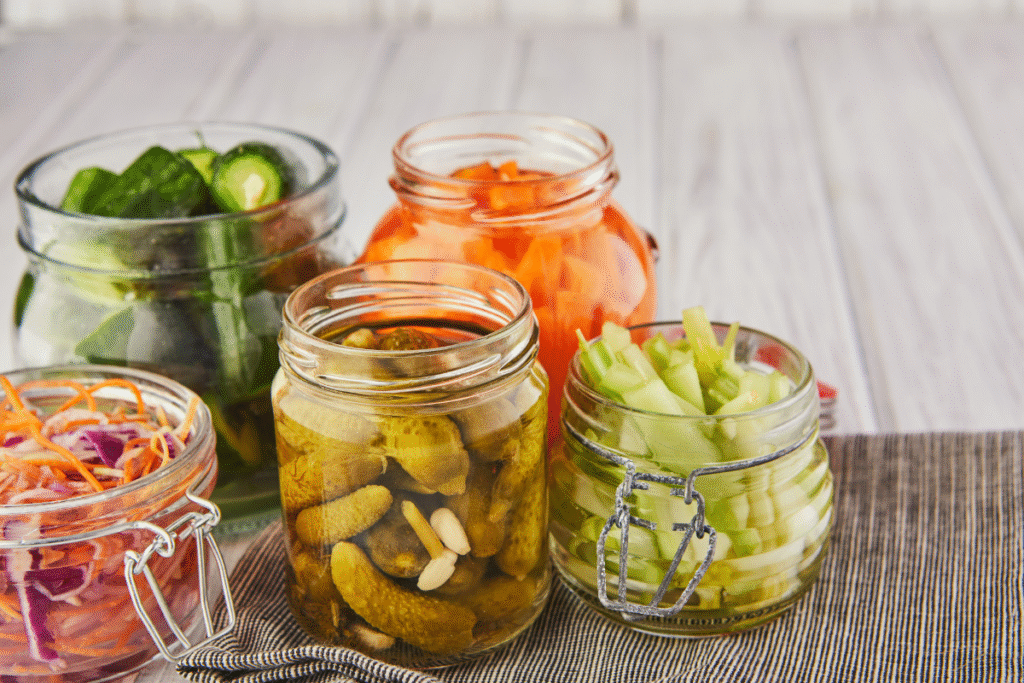
The solution? Feed your good bacteria with prebiotic foods like garlic, onions, asparagus, and oats. Then add probiotic foods to actually introduce beneficial bacteria: kimchi, sauerkraut, kefir, miso, and yogurt with live cultures.
Gut-healing beauty foods to prioritize:
- Bone broth (rich in collagen and gut-healing amino acids)
- Fermented vegetables (natural probiotics)
- Ginger and turmeric (anti-inflammatory powerhouses)
- Fiber-rich foods (prebiotics that feed good bacteria)
Pro tip: Start with one fermented food daily—maybe kimchi on your rice bowl or kefir in your smoothie. Your gut (and skin) needs time to adjust, so introduce these foods gradually.
The gut health and beauty connection is so strong that many dermatologists now recommend addressing digestive health before prescribing topical treatments. When you heal your gut, your skin often heals itself.
Easy Beauty-Boosting Meals to Add to Your Weekly Routine
Forget complicated recipes that require 20 ingredients you’ve never heard of. These skin-friendly meals are simple, delicious, and packed with beauty-boosting nutrients:
Breakfast: Berry Chia Pudding Power Bowl
Mix 3 tbsp chia seeds with 1 cup coconut milk the night before. Top with mixed berries, walnuts, and a drizzle of honey. This delivers omega-3s, antioxidants, and fiber to start your day right.
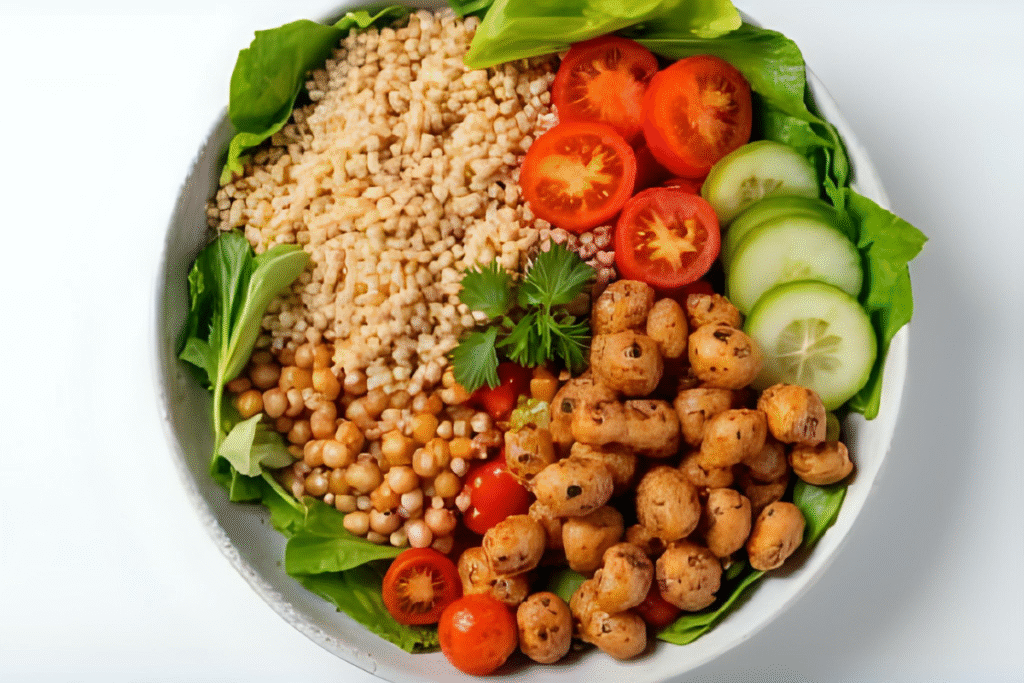
Lunch: Glow-Getter Quinoa Bowl
Layer quinoa with baby spinach, sliced avocado, roasted sweet potato cubes, and grilled salmon. Dress with olive oil and lemon juice. This meal hits almost every skin-loving nutrient in one bowl.
Snack: Beauty Trail Mix
Combine walnuts, pumpkin seeds, goji berries, and dark chocolate chips. This satisfies cravings while delivering zinc, omega-3s, and antioxidants.
Dinner: Anti-Inflammatory Golden Stir-Fry
Sauté broccoli, bell peppers, and snap peas with turmeric-seasoned tofu or chicken. Serve over brown rice. The turmeric provides powerful anti-inflammatory benefits.
Drink: Green Goddess Smoothie
Blend spinach, cucumber, green apple, ginger, lemon juice, and coconut water. Add a scoop of collagen peptides for extra skin support.
Meal prep tip: Make large batches on Sunday and portion them out. Having wellness diet meals ready prevents you from grabbing inflammatory convenience foods when you’re busy or tired.
Vitamins and Supplements That Support Skin Health
While whole foods should be your foundation, strategic supplementation can fill nutritional gaps and accelerate your skin transformation. Here are the vitamins for skin health worth considering:
Collagen Peptides (recommended products) provide the building blocks for plump, youthful skin. Mix into coffee, smoothies, or water. Look for grass-fed, hydrolyzed collagen for best absorption.
Vitamin C supports collagen production and brightens skin tone. A high-quality supplement can provide more consistent levels than diet alone.
Zinc regulates oil production and reduces inflammatory acne. Take with food to avoid stomach upset, and don’t exceed 40mg daily.
Omega-3 Fish Oil provides anti-inflammatory fatty acids that many people don’t get enough of through food. Choose a reputable brand that tests for heavy metals.
Biotin supports healthy hair, skin, and nails, though you probably get enough from food unless you have a specific deficiency.
Important disclaimers: Always consult with a healthcare provider before starting new supplements, especially if you take medications. More isn’t always better—some vitamins can be toxic in high doses. Focus on consistency rather than mega-dosing.
Common Mistakes People Make With Nutrition and Beauty
Even with the best intentions, it’s easy to sabotage your skin results. Here are the biggest beauty nutrition tips mistakes I see:
Overdoing Supplements: Taking 15 different skin pills won’t make you glow 15 times faster. It’s more likely to upset your stomach and waste your money. Start with 1-2 high-quality supplements.
Ignoring Hydration: You can eat all the right foods, but if you’re chronically dehydrated, your skin will look dull and tired. Aim for half your body weight in ounces of water daily.
Crash Dieting: Extreme calorie restriction deprives your skin of essential nutrients needed for repair and regeneration. Slow, steady changes win the beauty game.

Relying Only on Products: No cream can compensate for a nutrient-poor diet. Skincare supports what you build from the inside—it can’t replace it.
Skipping Healthy Fats: Low-fat diets often lead to dry, dull skin. Your body needs omega-3s and other healthy fats to maintain skin barrier function and natural moisture.
The key is patience and consistency. Nutrition for beauty is a marathon, not a sprint.
FAQs About Beauty Nutrition
How long does it take to see results from nutrition changes?
Your skin regenerates every 28 days, so you’ll typically start noticing improvements within 4-6 weeks of consistent dietary changes. Some people see changes in skin hydration and glow within 2 weeks.
Can I eat for better skin if I’m vegan?
Absolutely! Focus on nuts, seeds, avocados, and algae-based omega-3 supplements. Nutritional yeast provides B vitamins, and plenty of plant foods are rich in skin-supporting antioxidants.
Are collagen supplements really worth it?
Studies suggest hydrolyzed collagen peptides can improve skin hydration and elasticity. However, eating vitamin C-rich foods and protein helps your body produce its own collagen naturally.
What’s more important: skincare or diet?
Both work together, but diet provides the foundation. You can’t cream your way to healthy skin if you’re not nourishing it from within. Think of skincare as the finishing touch on a well-built foundation.
Can I still enjoy chocolate and wine?
Yes! Dark chocolate (70% cacao or higher) actually contains skin-beneficial antioxidants. Wine in moderation is fine too—just balance indulgences with plenty of skin-loving foods and water.
Conclusion + Action Steps: Glow from Within, Every Day
The secret to radiant skin isn’t hiding in an expensive jar—it’s sitting in your kitchen right now. Beauty from the inside out isn’t just a wellness trend; it’s a fundamental truth about how your body works. When you nourish yourself with the right nutrients, your skin responds with clarity, hydration, and that unmistakable healthy glow.
Your beauty nutrition tips action plan starts today: Choose one skin-loving superfood to add to this week’s meals. Maybe it’s swapping your afternoon coffee for green tea, adding a handful of berries to your breakfast, or including salmon in your weekly rotation. Small, consistent changes create transformative results.
Remember, the best skincare routine in the world can’t compensate for poor nutrition, but the reverse is also true—when you combine smart eating with good skincare habits, the results are nothing short of magical.
Tell us: What’s one beauty-boosting food you’ll add to your routine this week? Share in the comments below—your experience might inspire someone else’s skin transformation journey.