
Why Serums Are a Skincare Game-Changer
Standing in the skincare aisle, staring at rows of tiny bottles with big promises, you’ve probably wondered: Do I really need another step in my routine?
Here’s a number that might surprise you: the global facial serum market is projected to reach $8.1 billion by 2027, growing at nearly 6% annually. That’s not just marketing hype—that’s millions of people discovering what dermatologists have known for years: serums are the secret weapon your skin has been waiting for.
But here’s where it gets tricky. Walk into any beauty store and you’ll find serums promising everything from glass skin to time travel (okay, maybe not literally, but close). The overwhelming choices can make you feel like you need a chemistry degree just to pick the right bottle.
The truth? The best serum for face concerns isn’t the most expensive or the trendiest—it’s the one that matches your specific skin needs. Choose wrong, and you might end up with irritated skin, wasted money, and zero results. Choose right, and you’ll wonder how you ever lived without it.
In this guide, I’ll walk you through everything you need to know to choose your perfect serum match. No fluff, no overwhelming science—just the practical knowledge you need to transform your skin with confidence.
What Is a Facial Serum & Why It Matters
Think of a facial serum like a vitamin shot for your skin—concentrated, targeted, and designed to deliver results fast.
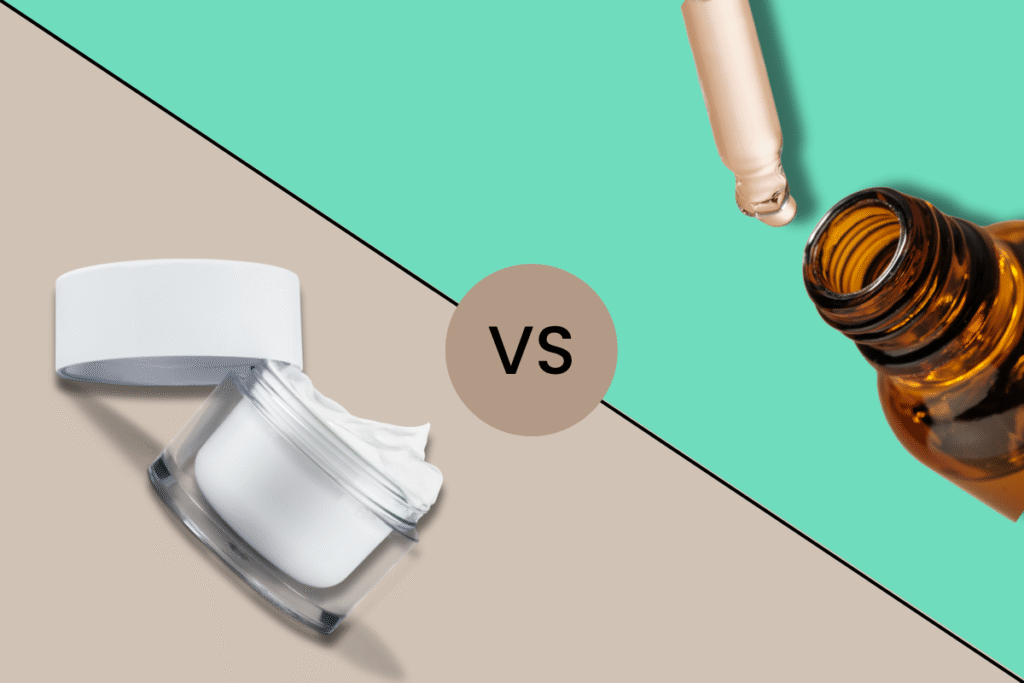
Unlike moisturizers that sit on your skin’s surface creating a protective barrier, serums are formulated with smaller molecules that can penetrate deeper into your skin layers. They’re typically water-based or oil-based (but lightweight), with active ingredient concentrations that would make your regular moisturizer jealous.
Here’s the breakdown:
- Moisturizers: 5-10% active ingredients, focus on hydration and protection
- Serums: 10-20% active ingredients, target specific concerns
- Treatment serums: Up to 30% actives for serious skin issues
The magic happens in that concentration. While your moisturizer is like a gentle daily multivitamin, your serum is like a targeted prescription designed to address your biggest skin complaints.
Why serums work so well:
- Lightweight formulas absorb quickly without clogging pores
- High concentrations of actives deliver faster, more visible results
- Customizable—you can layer different serums for multiple concerns
- Work synergistically with your other skincare products
Think of it this way: if your skincare routine were a meal, cleanser would be clearing the table, serum would be the main course packed with nutrients, and moisturizer would be the satisfying dessert that seals everything in.
The best serum for face concerns isn’t one-size-fits-all—it’s the one formulated specifically for what your skin needs most right now.
Identify Your Skin Type & Core Concerns First
Before you fall in love with that Instagram-famous serum, let’s get real about what your skin actually needs. Choosing the wrong serum for your skin type is like wearing the wrong shoe size—it might work temporarily, but it’s not going to be comfortable or effective long-term.
Quick Skin Type Assessment:
Oily Skin: Shiny T-zone, visible pores, frequent breakouts Best serum types: Water-based, mattifying, pore-refining
Dry Skin: Tight feeling, flaky patches, fine lines more visible Best serum types: Hydrating, plumping, barrier-repairing
Combination Skin: Oily T-zone, normal to dry cheeks Best serum types: Lightweight hydrators, balancing formulas
Sensitive Skin: Easily irritated, reactive to new products, redness-prone Best serum types: Gentle, fragrance-free, minimal ingredient lists
Now, identify your primary skin concern:
✓ Dullness/Lack of Glow → Vitamin C, niacinamide, or exfoliating serums ✓ Acne/Breakouts → Salicylic acid, niacinamide, or retinol serums ✓ Dark spots/Hyperpigmentation → Vitamin C, kojic acid, or hydroquinone serums ✓ Fine lines/Aging → Retinol, peptides, or hyaluronic acid serums ✓ Large pores → Niacinamide, BHA, or retinol serums ✓ Dehydration → Hyaluronic acid, glycerin, or ceramide serums
Pro tip: Start with your most bothersome concern. You can always add more serums later, but trying to tackle everything at once often leads to irritation and confusion about what’s actually working.
Remember: your skin concerns might change with seasons, hormones, or life stages. What works for you now might need tweaking in six months—and that’s totally normal.
Key Ingredients in Serums & What They're Best For
Ready to decode those ingredient lists? Here’s your cheat sheet to the most effective serum ingredients and what they actually do for your skin:
For Glowing, Radiant Skin:
Vitamin C (L-Ascorbic Acid, Magnesium Ascorbyl Phosphate)
- What it does: Brightens, protects against environmental damage, stimulates collagen
- Best for: Dull skin, sun damage, prevention
- Concentration: 10-20% for beginners, up to 30% for experienced users
- Use: Morning routine (always follow with SPF!)
Niacinamide (Vitamin B3)
- What it does: Reduces pore appearance, controls oil, calms inflammation
- Best for: Oily skin, large pores, redness
- Concentration: 2-10%
- Use: Morning or evening, plays well with other ingredients
For Acne-Prone Skin:
Salicylic Acid (BHA)
- What it does: Exfoliates inside pores, reduces blackheads and breakouts
- Best for: Blackheads, whiteheads, oily skin
- Concentration: 0.5-2%
- Use: Evening, start 2-3x per week
Retinol/Retinoids
- What it does: Increases cell turnover, unclogs pores, reduces acne and aging
- Best for: Acne, fine lines, texture issues
- Concentration: Start with 0.25%, work up to 1%
- Use: Evening only, requires sunscreen during day
For Dark Spots & Hyperpigmentation:
Kojic Acid
- What it does: Inhibits melanin production, lightens dark spots
- Best for: Melasma, age spots, post-acne marks
- Concentration: 1-4%
- Use: Evening, can be photosensitizing
Alpha Arbutin
- What it does: Gentle skin lightening, reduces pigmentation
- Best for: Sensitive skin with dark spots
- Concentration: 2-5%
- Use: Morning or evening
For Hydration & Plumping:
Hyaluronic Acid
- What it does: Attracts and holds up to 1000x its weight in water
- Best for: All skin types, dehydration, plumping
- Concentration: 1-2%
- Use: Apply to damp skin, morning and evening
Ceramides
- What it does: Restore skin barrier, prevent water loss
- Best for: Dry, damaged, or sensitive skin
- Concentration: 0.5-3%
- Use: Morning and evening
Golden Rule: Introduce one new active ingredient at a time. Your skin needs time to adjust, and you need to know what's actually working (or causing problems).
Best Serums by Skin Concern: A Curated Guide
Now for the good stuff—actual product recommendations that deliver results without breaking the bank or burning your face off:
Best Serum for Glowing Skin
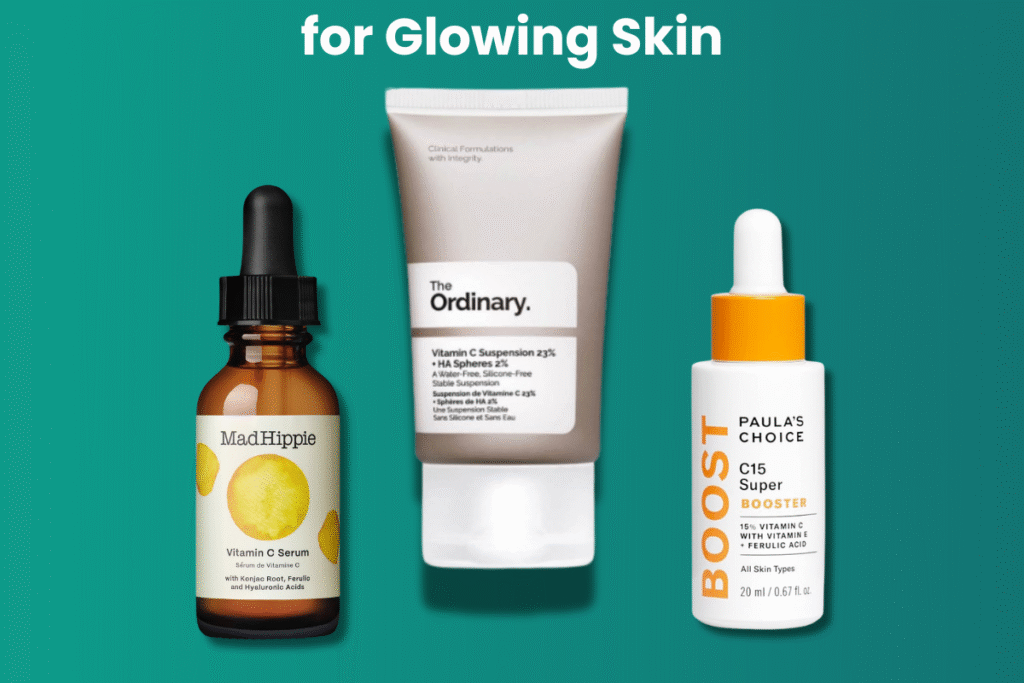
The Ordinary Vitamin C Suspension 23% + HA Spheres 2% ($7-9)
- Why it works: High-potency vitamin C in a gentle suspension
- Texture: Slightly gritty but effective
- Best for: Experienced vitamin C users wanting maximum brightness
Mad Hippie Vitamin C Serum ($34-38)
- Why it works: Stable vitamin C with additional antioxidants
- Texture: Lightweight, absorbs beautifully
- Best for: Sensitive skin wanting gradual brightening
Paula’s Choice C15 Super Booster ($49-52)
- Why it works: 15% vitamin C with vitamin E for stability
- Texture: Silky, luxurious feel
- Best for: Those wanting proven results with elegant texture
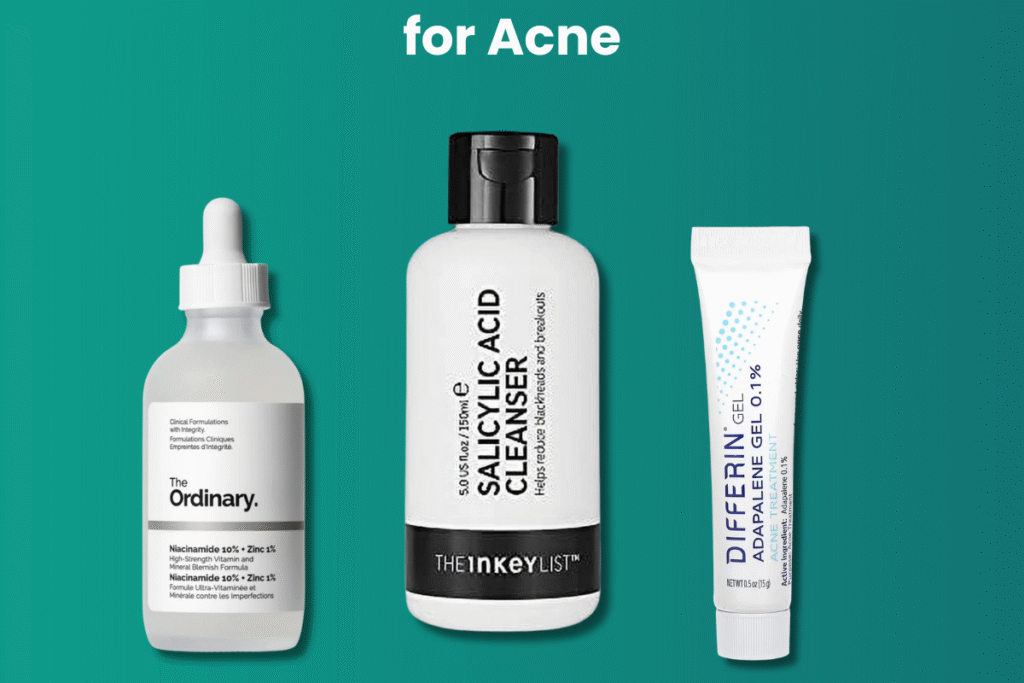
Best Serum for Acne
The INKEY List Salicylic Acid Cleanser ($8-10)
- Why it works: 2% BHA that penetrates pores effectively
- Texture: Lightweight, non-drying
- Best for: Blackheads, congested pores
Differin Adapalene Gel 0.1% ($12-15)
- Why it works: Over-the-counter retinoid specifically for acne
- Texture: Clear gel, can be initially drying
- Best for: Persistent acne, prevention of new breakouts
The Ordinary Niacinamide 10% + Zinc 1% ($6-8)
- Why it works: Reduces oil production and pore appearance
- Texture: Slightly thick, can pill if too much is used
- Best for: Oily, acne-prone skin with large pores
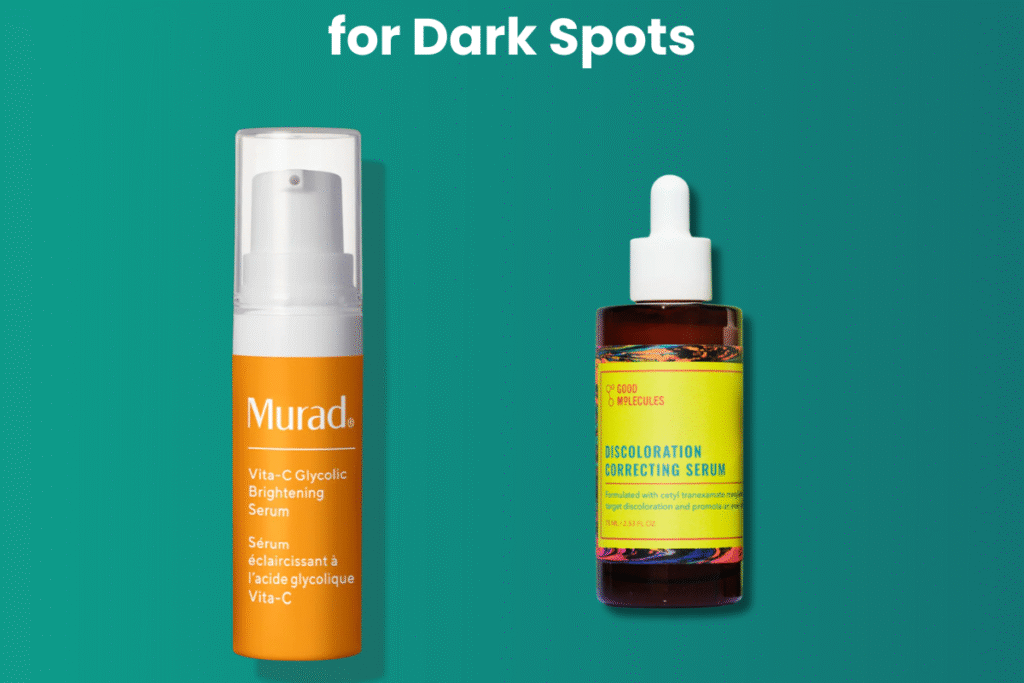
Best Serum for Dark Spots
Murad Rapid Dark Spot Correcting Serum ($68-72)
- Why it works: Hydroquinone-free formula with proven brightening agents
- Texture: Lightweight, absorbs quickly
- Best for: Stubborn dark spots, even skin tone
Good Molecules Discoloration Correcting Serum ($12-14)
- Why it works: Kojic acid and alpha arbutin at an amazing price point
- Texture: Thin, layerable consistency
- Best for: Budget-conscious users with mild hyperpigmentation
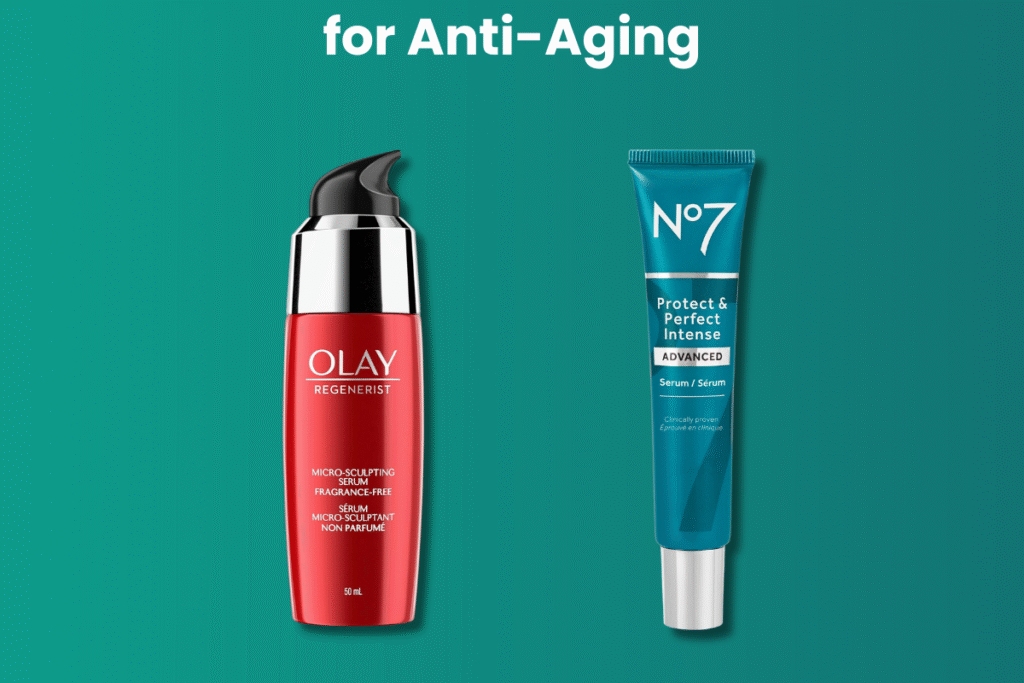
Best Serum for Anti-Aging
Olay Regenerist Micro-Sculpting Serum ($18-22)
- Why it works: Amino-peptides and peptides for firming
- Texture: Silky, immediately smoothing
- Best for: Fine lines, loss of firmness
No7 Protect & Perfect Intense Advanced Serum ($39-42)
- Why it works: Clinically proven peptide complex
- Texture: Luxurious, hydrating
- Best for: Mature skin wanting comprehensive anti-aging
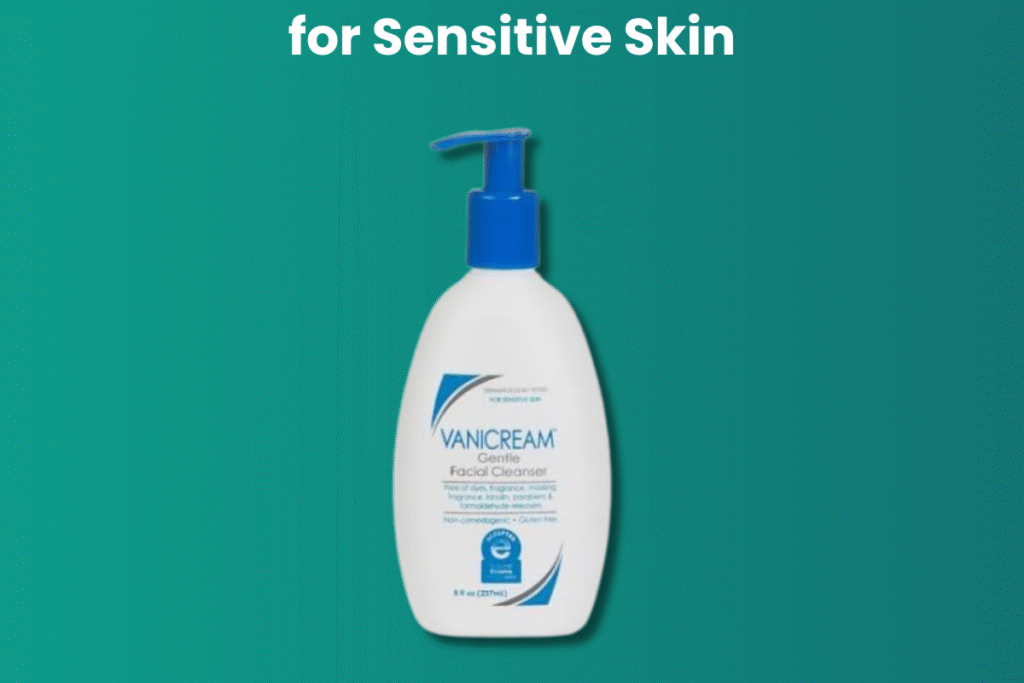
Best Serum for Sensitive Skin
Vanicream Gentle Facial Cleanser ($8-10)
- Why it works: Fragrance-free, minimal ingredients
- Texture: Gentle, non-irritating
- Best for: Reactive skin needing basic hydration
Remember: Start with one serum targeting your primary concern. You can always build a serum wardrobe later!
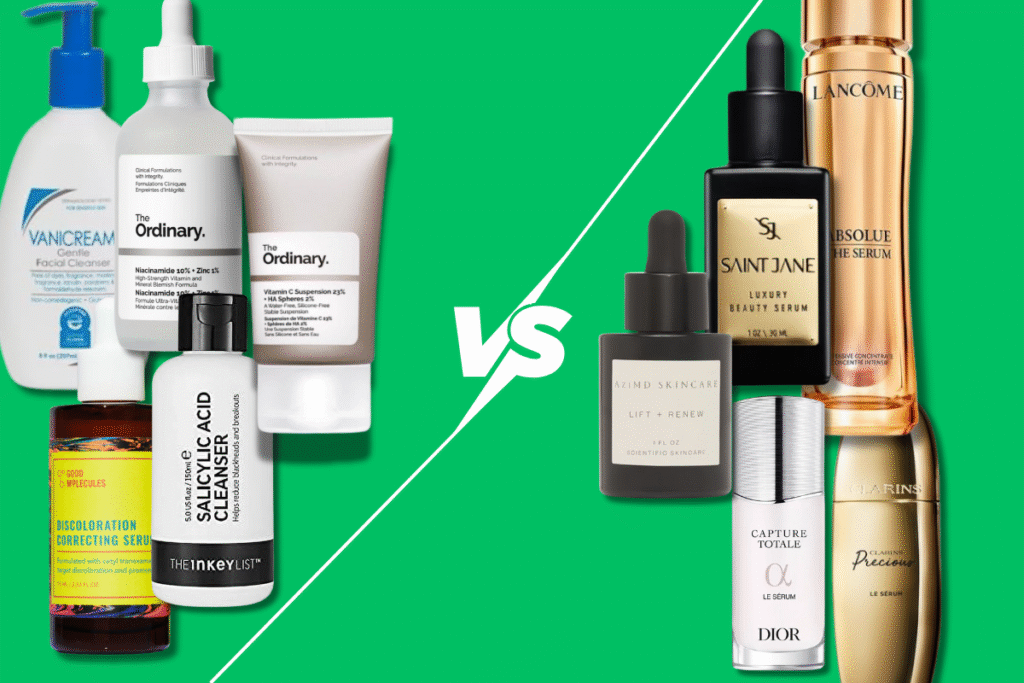
Budget vs. High-End: Is Price a Factor in Serum Effectiveness?
Let’s settle this once and for all: Does spending more money guarantee better results?
The short answer? Not necessarily.
Here’s why budget serums can be just as effective:
Active ingredients work the same regardless of price tag. 10% niacinamide performs identically whether it’s in a $6 bottle or a $60 one. The difference often comes down to:
- Packaging and marketing costs
- Research and development expenses
- Brand prestige and positioning
- Texture and sensory experience
- Additional “nice-to-have” ingredients
Real-world comparison:
- The Ordinary Hyaluronic Acid 2% + B5 ($7) vs Skinceuticals Hydrating B5 Gel ($82)
- Both contain similar concentrations of hyaluronic acid
- The budget option delivers nearly identical hydration results
- The luxury version offers a more elegant texture and sophisticated packaging
When higher prices might be worth it:
- More stable or patented forms of ingredients
- Extensive clinical testing and research
- Superior textures that encourage consistent use
- Innovative delivery systems
- Comprehensive ingredient combinations
When to save your money:
- Single-ingredient serums (vitamin C, hyaluronic acid, niacinamide)
- Starting your serum journey—test tolerance with affordable options first
- Targeting basic concerns like hydration or mild brightening
The bottom line: Start with budget-friendly options that contain proven ingredients. If they work well and you want to upgrade the experience (texture, packaging, luxury feel), then consider splurging. Your skin cares about the active ingredients, not the price tag.
Common Mistakes When Using Serums
Even the best serum for face concerns won’t work if you’re using it wrong. Here are the mistakes I see all the time—and how to fix them:
Mistake #1: Using too much product The problem: More doesn’t equal better results—it equals irritation and wasted product Do this instead: Use 2-3 drops for your entire face. Serums are concentrated; a little goes a long way
Mistake #2: Applying serums to completely dry skin The problem: Dry skin can’t absorb water-based serums effectively Do this instead: Apply to slightly damp skin or mist face lightly before application
Mistake #3: Layering incompatible ingredients The problem: Mixing vitamin C with retinol, or using too many acids together Do this instead: Use vitamin C in the morning, retinol at night. Space out acid treatments
Mistake #4: Not waiting between layers The problem: Products pill, don’t absorb, or cancel each other out Do this instead: Wait 3-5 minutes between each product layer
Mistake #5: Expecting overnight miracles The problem: Giving up after a week when you don’t see dramatic changes Do this instead: Give new serums 4-6 weeks to show full results. Take progress photos!
Mistake #6: Skipping patch tests with active ingredients The problem: Jumping straight to full-face application of potent actives Do this instead: Test new serums on your inner arm or behind your ear for 48 hours first
The golden rule: Introduce one new serum at a time, start slowly (2-3 times per week), and always, always wear sunscreen during the day when using active ingredients.
Expert Tips to Maximize Serum Results
Want to get the most bang for your serum buck? These insider tips will help you achieve maximum results:
Application Technique Matters
- Apply serums with gentle patting motions, not rubbing
- Work from thinnest to thickest consistency
- Don’t forget your neck—it shows aging just as much as your face
Timing Is Everything
- Use vitamin C serums in the morning for antioxidant protection
- Apply retinol and most acids at night when skin repairs itself
- Hydrating serums work well morning and evening
Storage Secrets
- Keep vitamin C serums in the refrigerator to prevent oxidation
- Store retinol products in a cool, dark place
- Never leave serums in hot cars or bathrooms
Layering Like a Pro
- Cleanse → Tone → Thinnest serum → Thicker serum → Moisturizer → SPF (AM)
- Wait 3-5 minutes between each step
- If using multiple serums, alternate days rather than layering everything at once
Seasonal Adjustments
- Summer: Focus on lightweight, antioxidant serums
- Winter: Add hydrating and barrier-repair serums
- Humid climates: Water-based serums work better
- Dry climates: Layer hydrating serums under moisturizer
As dermatologist Dr. Dennis Gross notes: “Consistency beats perfection. A simple serum routine used religiously will always outperform an elaborate routine used sporadically.”
FAQs About Serums
Q: Can I use multiple serums at once?
A: Yes, but introduce them gradually. Start with one serum for 2-4 weeks, then slowly add others. Layer from thinnest to thickest consistency and avoid combining potentially irritating ingredients.
Q: How long does it take to see results from a facial serum?
A: Most people notice initial changes within 2-4 weeks, but significant improvements typically take 6-12 weeks of consistent use. Hydrating serums work fastest, while anti-aging and pigmentation serums take longer.
Q: Should I use serum every day?
A: It depends on the serum. Hydrating serums (hyaluronic acid) can be used twice daily. Active ingredients like retinol or acids should be introduced gradually—start 2-3 times per week and increase as tolerated.
Q: What’s the difference between a serum and an essence?
A: Essences are typically thinner and more hydrating, while serums are more concentrated with active ingredients. Think of essence as a lightweight hydrator and serum as a targeted treatment.
Q: Can I skip moisturizer if I use a hydrating serum?
A: Generally no. Serums deliver active ingredients but don’t provide the occlusive barrier that moisturizers do. Layer your hydrating serum under moisturizer for best results.
Q: Why does my serum make my skin feel sticky?
A: You’re likely using too much product or not allowing enough absorption time. Use less product and wait 5 minutes before applying the next step in your routine.
Final Thoughts: Choosing a Serum with Confidence
Here’s what I want you to remember: the best serum for face concerns isn’t the one with the fanciest packaging or the highest price tag—it’s the one that matches your specific skin needs and that you’ll actually use consistently.
Whether you’re battling stubborn dark spots, persistent acne, or just want that coveted healthy glow, there’s a serum out there that can help. The key is starting with one primary concern, choosing ingredients backed by science, and giving your skin time to adapt and show results.
Your serum success roadmap:
- Identify your primary skin concern (don’t try to fix everything at once)
- Choose serums with proven ingredients for that specific issue
- Start slowly with 2-3 applications per week
- Be patient and consistent for at least 6 weeks
- Take progress photos to track real changes
- Add additional serums gradually once your skin adapts
Remember, skincare is a marathon, not a sprint. The small, consistent choices you make every day—like choosing the right serum and actually using it—add up to transformative results over time.
Ready to find your perfect serum match? Start with one targeted treatment based on your biggest skin concern. Give it a solid 6-week trial, and don’t be afraid to adjust based on how your skin responds.
Drop a comment below and tell us: what’s your biggest skin concern, and have you found a serum that actually works? We love hearing about your skincare wins (and failures—we learn from those too!).
Your future self—and your skin—will thank you for taking this step toward more intentional, effective skincare.