
Jolieva, Glow & Grace

How to Choose the Perfect Foundation for Oily Skin 

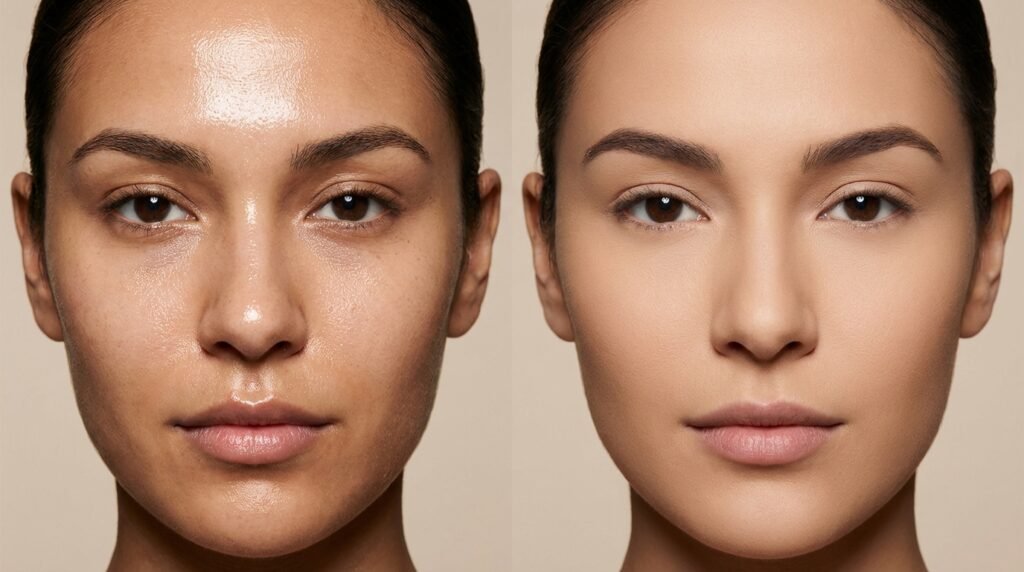
Ever notice how your foundation looks airbrushed at 8 AM… and by noon it’s sliding south, pooling around your nose, and shining like a disco ball? If you have oily skin, you know the struggle is real.

Shopping for the right foundation for oily skin can feel like a guessing game. Too hydrating? You’re greasy by lunch. Too heavy? Hello, clogged pores. The truth is, not all formulas are built to handle excess oil. The right oil-control foundation — paired with smart application — can completely change your makeup game.

In this guide, I’ll walk you through practical, dermatologist-backed foundation tips for oily skin, what ingredients and finishes actually matter, and how to make your base last all day without looking cakey.

Let’s fix the shine — for good.

Understanding Oily Skin: Why Your Foundation Keeps Sliding Off

Before we talk products, let’s talk skin.

Oily skin is caused by overactive sebaceous glands producing excess sebum. According to the American Academy of Dermatology, oil production can be influenced by hormones, genetics, and even climate. And while sebum helps protect your skin barrier, too much of it breaks down makeup.

Here’s what happens:

  • Oil mixes with foundation pigments
  • The formula separates
  • Coverage thins out
  • Oxidation can darken the shade
  • Shine appears within hours

Many traditional or dewy formulas simply aren’t designed to withstand oil production. Even a long-wear foundation won’t perform well if it isn’t built with oil-control technology.

Translation? You don’t just need any foundation — you need one engineered for oily skin.

What to Look for in a Foundation for Oily Skin

This is where things get strategic. The right features make all the difference between “glowy goddess” and “grease slick.”

1. Matte or Soft-Matte Finish

The best matte foundation absorbs excess oil and reduces surface shine.

But here’s the nuance:

  • Flat matte: Full oil control, zero shine (great for very oily skin)
  • Soft-matte/satin: Controls shine while looking more skin-like (ideal for combination skin)

Pro Tip: Matte doesn’t mean heavy. Modern matte formulas use micro-powders to blur pores without feeling thick.

2. Oil-Free & Non-Comedogenic Formulas

Look for labels that say:

  • Oil-free
  • Non-comedogenic
  • Shine control

These help prevent clogged pores — especially if you’re acne-prone.

3. Long-Wear or 24-Hour Claims

A strong long-wear foundation is formulated to resist sweat, oil, and humidity.

Keywords to scan for on packaging:

  • Transfer-resistant
  • Sweat-proof
  • Oil-absorbing
  • 16–24 hour wear

Pro Tip: The longer the wear claim, the more likely it contains film-forming polymers that help it “grip” the skin.

4. Lightweight & Breathable Texture

Heavy foundations often slide faster on oily skin.

Quick comparison:

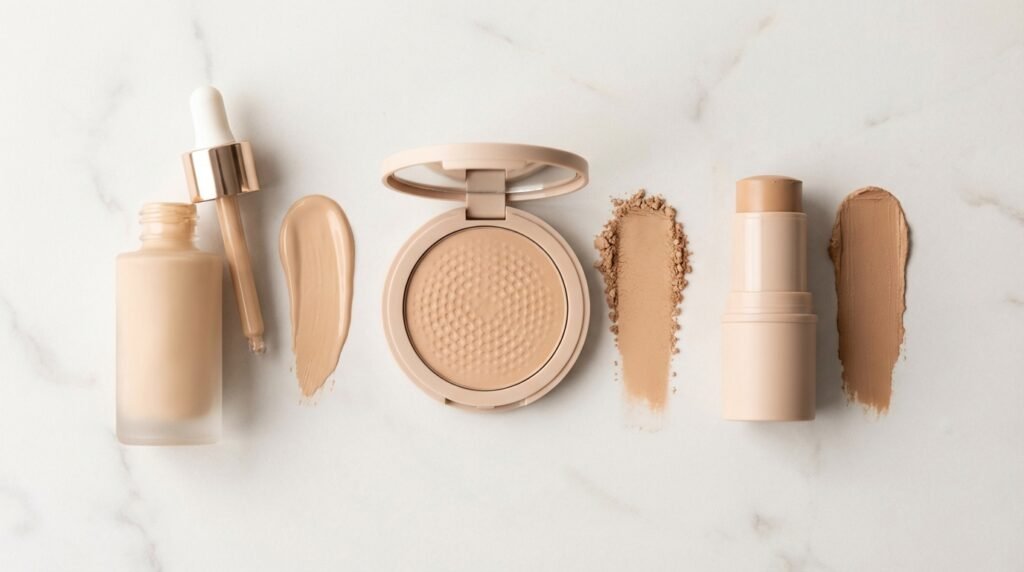
  • Liquid foundation: Most versatile; best for everyday wear
  • Powder foundation: Great for touch-ups; can look dry if overused
  • Stick foundation: Higher coverage but may feel heavier

If you want balance, a lightweight liquid matte is usually the sweet spot.

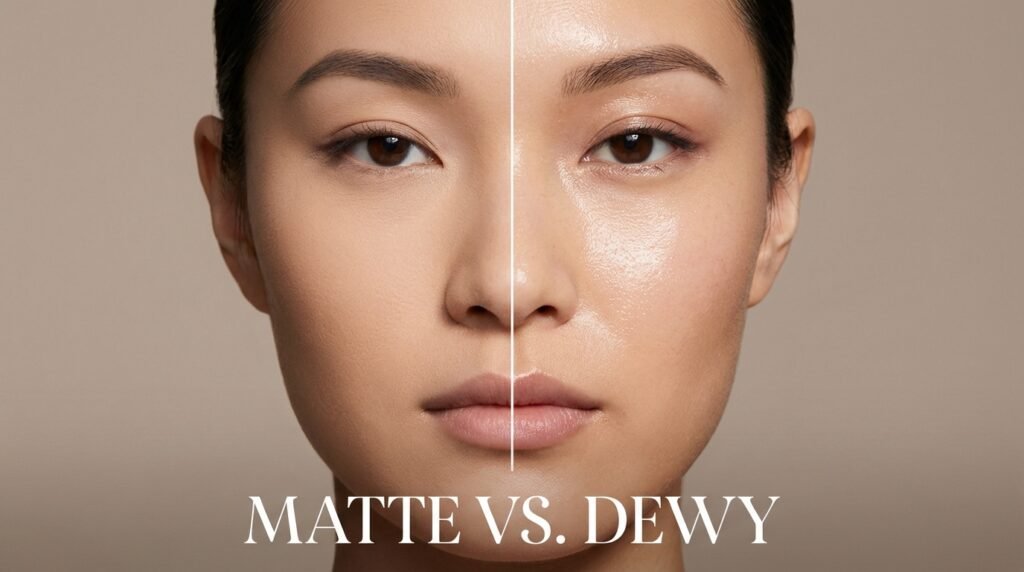
Matte vs. Dewy: Which Finish Is Actually Better for Oily Skin?

Let’s settle this once and for all.

Feature Matte Foundation Dewy Foundation
Shine Control
High
Low
Longevity
Long
Shorter wear
Best For
Oily skin
Dry skin

The best matte foundation will almost always outperform dewy formulas if you struggle with oil. However, if you’re combination, a soft-matte or satin finish can look more natural.

And here’s a myth to bust: matte does NOT equal cakey. Poor application equals cakey.

Step-by-Step: How to Apply Foundation on Oily Skin for All-Day Wear

Even the best foundation for oily skin won’t work if you apply it wrong.

Here’s the method I personally swear by:

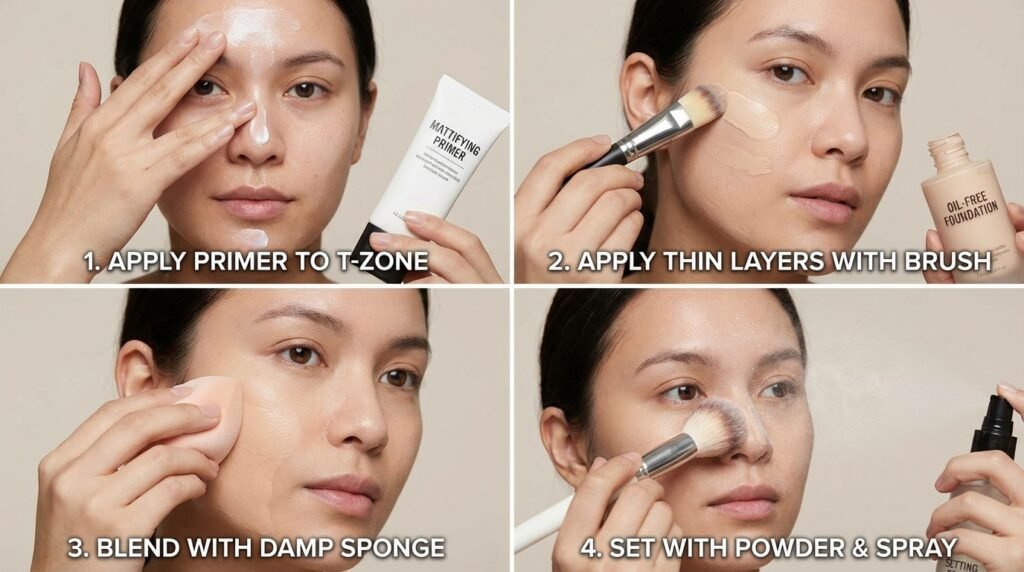
Step 1: Start with Oil-Control Skincare

  • Lightweight gel moisturizer
  • Mattifying primer (focus on T-zone)

Skipping primer is like skipping insurance.

Step 2: Apply in Thin Layers

Use less than you think you need. Build gradually.

Common Mistake: Slathering one thick layer — it separates faster.

Step 3: Use a Damp Sponge or Dense Brush

Press the product in. Don’t swipe.

Pressing helps the foundation grip your skin instead of sitting on top.

Step 4: Set Strategically with Powder

Focus on:

  • Forehead
  • Nose
  • Chin

Avoid over-powdering cheeks unless necessary.

Pro Tip: Use a finely milled translucent powder, not heavy pressed powder.

Step 5: Lock with Setting Spray

Choose oil-control formulas specifically labeled matte.

Common Mistakes That Make Oily Skin Look Worse

Let’s gently call these out.

  • Skipping primer — reduces wear time dramatically
  • Using too much powder — leads to texture and cakiness
  • Choosing hydrating/dewy formulas — breaks down faster
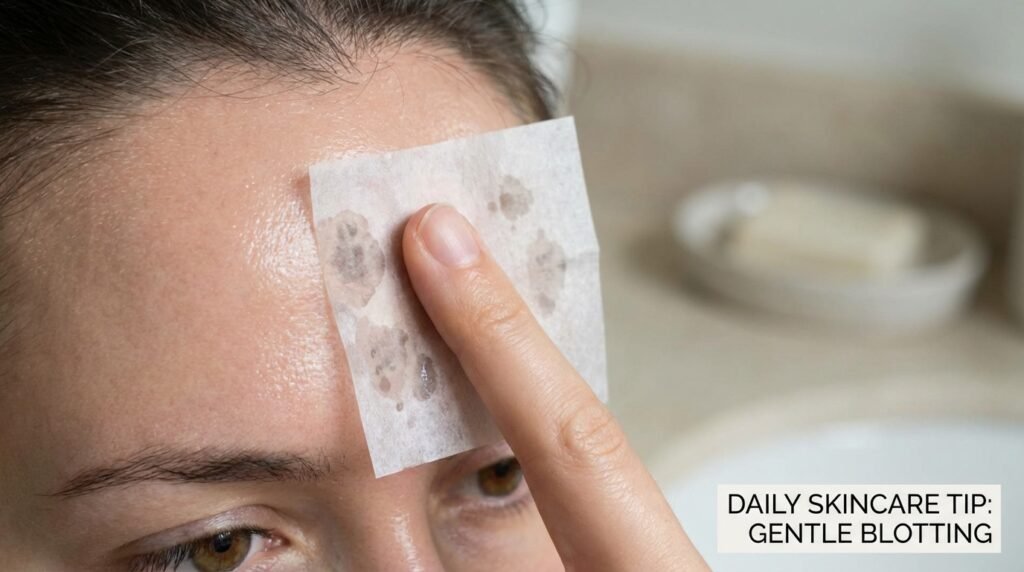
  • Reapplying foundation without blotting first — creates buildup

Blot first. Always.

How to Make Your Foundation Last Even Longer

Want pro-level longevity?

Try these insider tricks:

  • Blot before every touch-up
  • Carry oil-absorbing sheets
  • Avoid touching your face

Try the “sandwich method”: light powder → foundation → light powder

Pro Artist Tip: Celebrity makeup artists often lightly powder before foundation to create a subtle oil barrier.

If your long-wear foundation still fades, humidity may be the culprit — consider climate-resistant formulas.

Quick Buying Checklist: Choosing the Best Matte Foundation for You

When shopping for the best matte foundation, check this list:

✔ Oil-free
✔ Matte or soft-matte finish
✔ Long-wear formula
✔ Non-comedogenic
✔ Shade match in natural light

If it checks all five? You’re probably golden.

FAQs About Foundation for Oily Skin

Q1: Should oily skin use liquid or powder foundation?

Liquid formulas designed as a foundation for oily skin usually perform best. Powder works well for touch-ups but may look heavy if layered too much.

Q2: Why does my foundation look patchy after a few hours?

Excess oil breaks down pigments, causing separation. An oil-control foundation plus blotting before touch-ups prevents this.

Q3: Can oily skin wear dewy foundation?

Yes — but it requires strategic powdering and primer. For daily wear, a soft matte is usually more reliable.

Q4: How often should I touch up oily skin?

Blot every 3–4 hours. Reapply powder sparingly. Avoid layering heavy product over fresh oil.

Your Shine-Free Makeup Starts with the Right Formula

Oily skin isn’t the enemy — it just requires smarter strategy. The right foundation for oily skin, combined with proper prep and layering, gives you that smooth, shine-free finish that lasts from morning coffee to late-night dinner.

Focus on oil-control ingredients, lightweight textures, and smart application. Whether you’re testing the best matte foundation or upgrading to a stronger long-wear foundation, your makeup should work with your skin — not against it.

Ready to find your perfect match? Start with formulas labeled oil-control and long-wear — and let your glow be intentional, not accidental.

Leave a Comment

Your email address will not be published. Required fields are marked *