
Why the “Best Face Mask” Isn’t One-Size-Fits-All
Have you ever bought a face mask everyone swore was life-changing… only to end up with tight skin, breakouts, or zero results? Yeah. Same.
Here’s the uncomfortable truth most beauty marketing skips: the best face mask doesn’t exist in a universal sense. The best face mask is the one that works for your skin type, your concerns, and your routine — not your favorite influencer’s bathroom shelf.
If you’ve been cycling through masks hoping for a miracle glow, this guide is here to save you time, money, and skin stress. By the end, you’ll know exactly how to choose a face mask for your skin type, what ingredients actually matter, and which formats deliver real results (not just pretty packaging).

The Real Problem: Why Most Face Masks Don’t Work for Everyone
Most face mask disappointment boils down to one issue: mismatch.
A clay mask designed to absorb oil can be amazing — unless your skin is already dry, in which case it’ll leave you feeling like parchment paper. On the flip side, a rich hydrating face mask might feel luxurious but can clog pores if you’re oily or acne-prone.
Common mistakes I see all the time:
- Buying masks based on hype instead of skin type
- Assuming “deep cleansing” equals better skin
- Using the same mask year-round, regardless of climate or hormones
When the formula doesn’t match your skin’s needs, even the best face mask on paper can backfire. That’s why personalization isn’t a luxury — it’s the baseline.
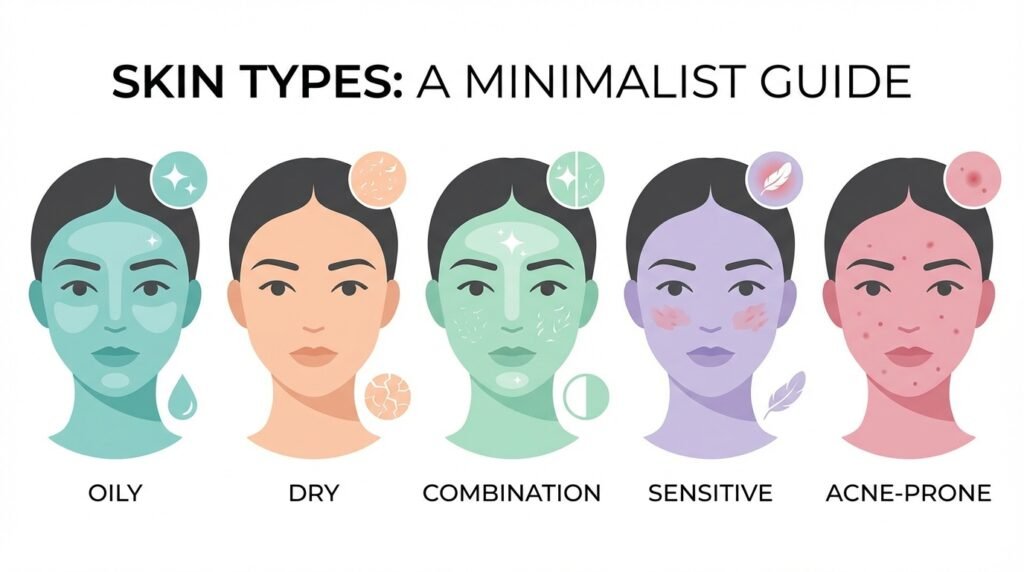
How to Identify Your Skin Type (Before Choosing a Face Mask)
Before you even think about ingredients or brands, you need to know what you’re working with. Skin type isn’t complicated — it’s about patterns.
Oily Skin
- Shiny by midday
- Enlarged pores
- Makeup slides off quickly
Dry Skin
- Feels tight or rough
- Flakiness, especially after cleansing
- Loves anything labeled “hydrating”
Combination Skin
- Oily T-zone, dry cheeks
- Breakouts in some areas, dryness in others
Sensitive Skin
- Reacts easily (redness, stinging)
- Doesn’t tolerate fragrance well
Acne-Prone Skin
- Frequent breakouts or clogged pores
- Can be oily or dry
Knowing this is crucial because the right face mask for oily skin is very different from the ideal sheet mask for dry skin.
Best Face Mask Types Explained (And Who They’re For)
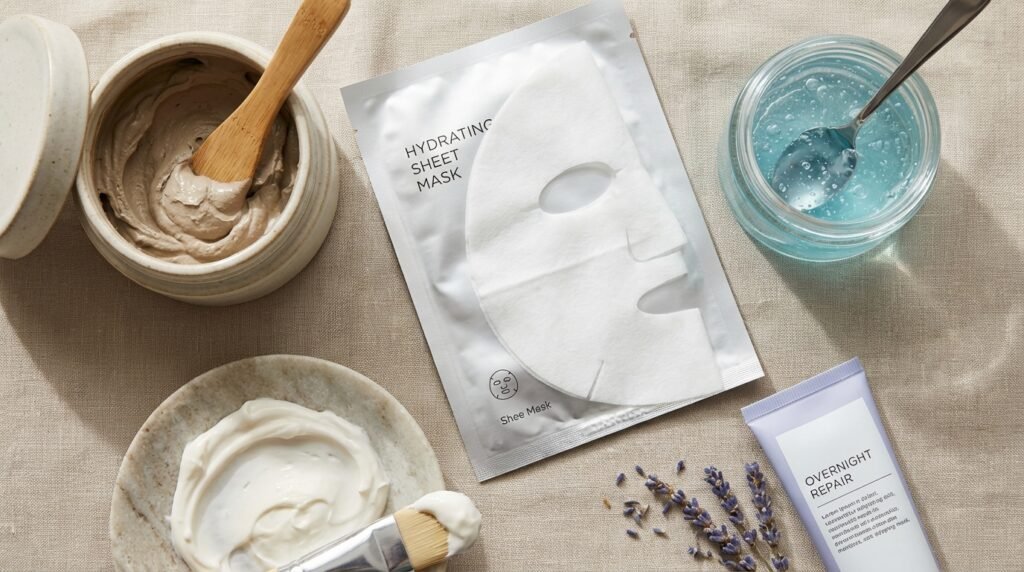
Face masks come in formats for a reason — texture matters as much as ingredients.
Clay Masks
Best for: Oily & acne-prone skin
Why: They absorb oil and draw out impurities
Watch out: Overuse can cause dehydration
Sheet Masks
Best for: Dry, dehydrated, tired skin
Why: They flood skin with moisture and act as an occlusive layer
Cream Masks
Best for: Dry or sensitive skin
Why: Rich, barrier-repairing, comforting
Gel Masks
Best for: Sensitive or post-treatment skin
Why: Cooling, calming, lightweight
Overnight Masks
Best for: All skin types (with the right formula)
Why: Work while you sleep for gradual hydration
Understanding formats helps narrow down the best face mask before you even hit the ingredient list.
Choosing the Best Face Mask for Your Skin Type
Face Mask for Oily & Acne-Prone Skin
If your skin produces oil like it’s on payroll, you want balance — not punishment.
Look for:
- Kaolin or bentonite clay (oil absorption)
- Salicylic acid (pore clearing)
- Charcoal (impurity binding)
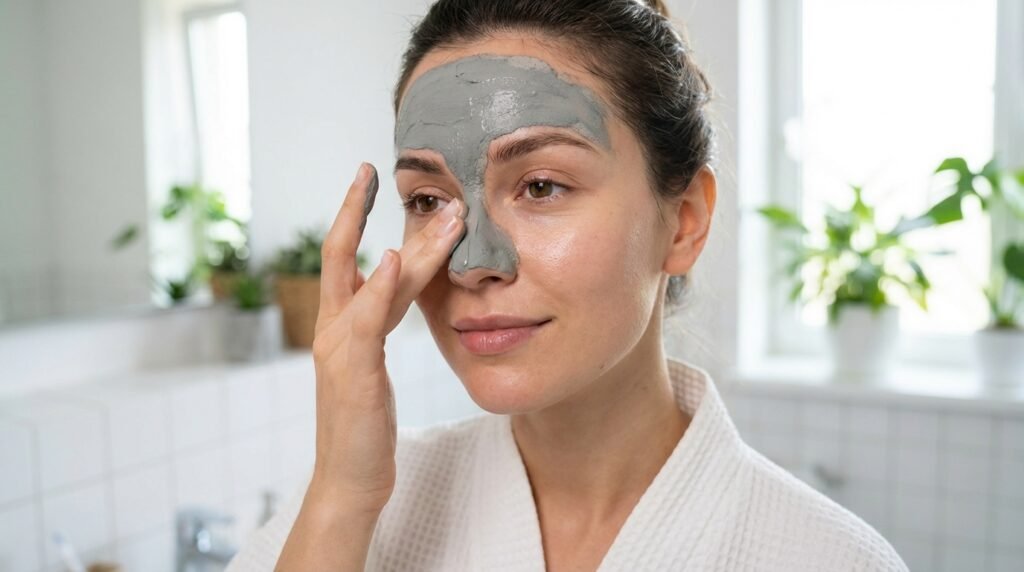
A clay mask for acne can be incredibly effective, but moderation matters. Using it too often strips the skin, which ironically triggers more oil production.
Sweet spot: 1–2 times per week
Hydrating Face Masks for Dry Skin
Dry skin doesn’t need detoxing — it needs support.
A great hydrating face mask focuses on:
- Humectants (glycerin, hyaluronic acid) to pull in moisture
- Occlusives (shea butter, ceramides) to lock it in
This is where sheet masks for dry skin really shine. They press hydration into the skin and prevent evaporation — think of them as a moisture sandwich.
Pro tip: Use on slightly damp skin for better absorption.

Best Face Masks for Combination Skin
Combination skin is the ultimate multitasker — and it needs flexible solutions.
Two approaches work best:
- Multi-masking (clay on oily zones, hydrating mask on dry areas)
- Gentle, balanced formulas that don’t swing too far either way
This is where experimenting pays off. The best face mask for you might actually be two.
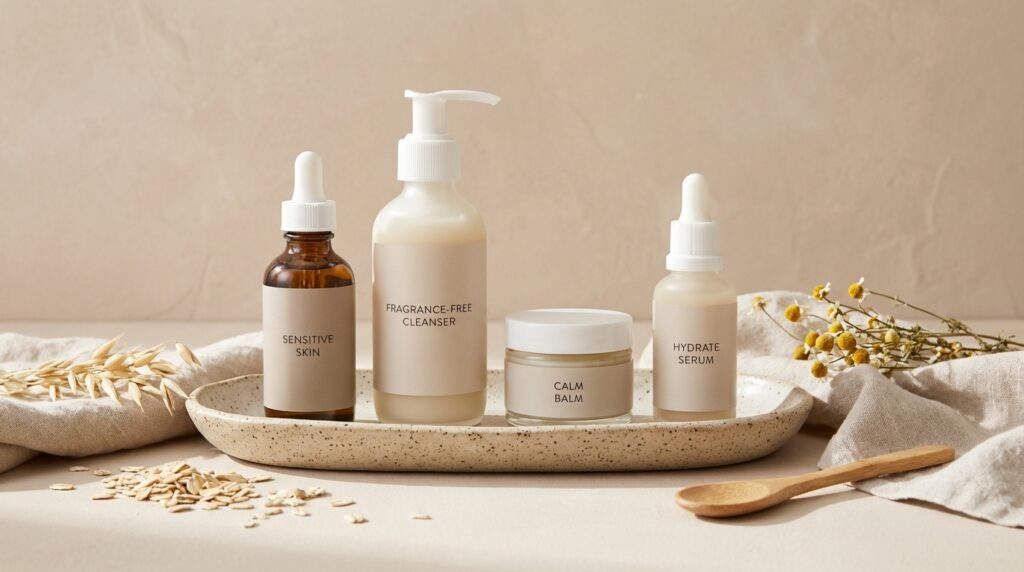
Face Masks for Sensitive Skin
If your skin gets offended easily, simplicity is your superpower.
Look for:
- Short ingredient lists
- Fragrance-free formulas
- Soothing ingredients like oat, aloe, or panthenol
Avoid:
- Strong acids
- Heavy essential oils
Even the best face mask should be patch-tested first. Sensitive skin doesn’t forgive impulsive decisions.
Common Face Mask Mistakes That Sabotage Results
Even a perfectly chosen mask can flop if used incorrectly.
The biggest culprits:
- Over-masking (more is not better)
- Using a clay mask for acne every other day
- Skipping moisturizer afterward
- Leaving masks on longer than directed
Face masks are treatments, not daily cleansers. Respect the instructions — they’re there for a reason.
Expert Tips to Get Better Results From Any Face Mask
A few small tweaks can dramatically improve results:
- Apply masks to clean, slightly damp skin
- Follow with a moisturizer to seal benefits
- Use masks at night when skin repair peaks
“Timing and follow-up matter just as much as ingredients.”
These habits help any best face mask perform closer to its full potential.
FAQ: Choosing the Best Face Mask
How often should I use a face mask?
Most masks work best 1–2 times per week. Hydrating masks can be used more often than clay ones.
Are sheet masks better than clay masks?
Neither is better — they serve different purposes. Sheet masks hydrate; clay masks detox.
Can I use a clay mask if I have dry skin?
Yes, but sparingly and only on oily areas. Always follow with a rich moisturizer.
How to Choose the Best Face Mask for Your Skin—Every Time
Choosing the best face mask isn’t about chasing trends — it’s about listening to your skin. When you prioritize skin type first, everything else falls into place: better results, fewer reactions, and skincare that actually feels worth the effort.
Whether you’re reaching for a face mask for oily skin, a hydrating face mask, or a cozy sheet mask for dry skin, the right choice is the one that supports your skin — not fights it.