

Why Post-Treatment Hair Care Matters More Than You Think
Picture this: You just walked out of the salon with the hair color of your dreams—maybe it’s that perfect honey blonde you’ve been coveting, or perhaps you finally took the plunge with those trendy copper highlights. You feel like a million bucks, snapping selfies left and right. But fast forward three weeks, and that gorgeous color has already started looking dull and brassy. Sound familiar?
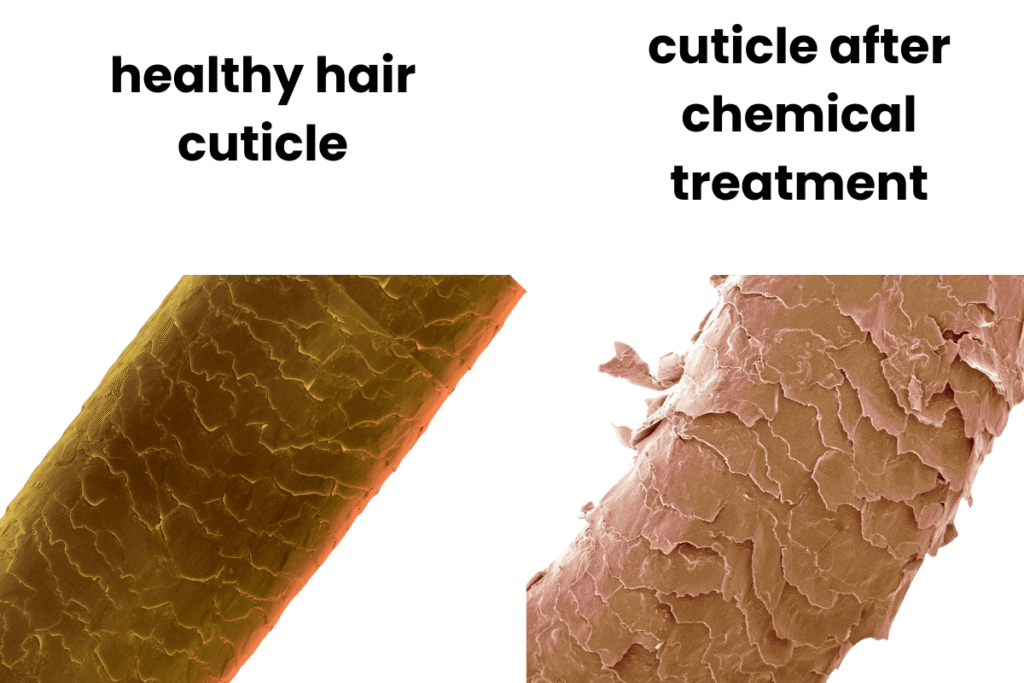
Here’s the thing about colored hair care—it’s not just about maintaining your investment (though at $150+ per session, who wouldn’t want to?). When hair undergoes chemical treatments like coloring or bleaching, its molecular structure fundamentally changes. The cuticles lift, the cortex becomes more porous, and suddenly your hair is more vulnerable to damage, dryness, and yes, that dreaded color fade.
But here’s the good news: with the right hair care after coloring routine, you can keep your color vibrant and your strands healthy for months, not weeks. I’m talking about actionable steps backed by trichologists, product recommendations that actually work, and insider tips that’ll make your colorist wonder what magic potion you’ve been using.

What Happens to Your Hair When It's Colored or Bleached?
Let’s get nerdy for a moment—but in a fun way. Think of your hair strand like a perfectly sealed sponge. The outer layer (cuticle) acts like protective roof shingles, keeping moisture in and damage out. When you color or bleach your hair, chemicals literally lift these “shingles” to deposit or remove pigment from the inner cortex.
During coloring, ammonia opens the cuticle while hydrogen peroxide breaks down your natural melanin. Bleaching takes this process even further, stripping away multiple layers of pigment until you reach that coveted platinum or prepare for vivid fashion colors. The result? Your hair becomes significantly more porous—like that sponge we mentioned.
This increased porosity leads to several challenges:
- Moisture loss: Your hair struggles to retain hydration
- Protein depletion: The structural integrity weakens
- Color bleeding: Pigments wash out more easily
- Increased fragility: Breakage and split ends become more common
Hair care for bleached hair requires even more attention since bleaching is the most aggressive chemical process. Your hair essentially becomes a different texture—more delicate, more thirsty, and definitely more high-maintenance than your natural strands.
Must-Have Ingredients and What to Avoid
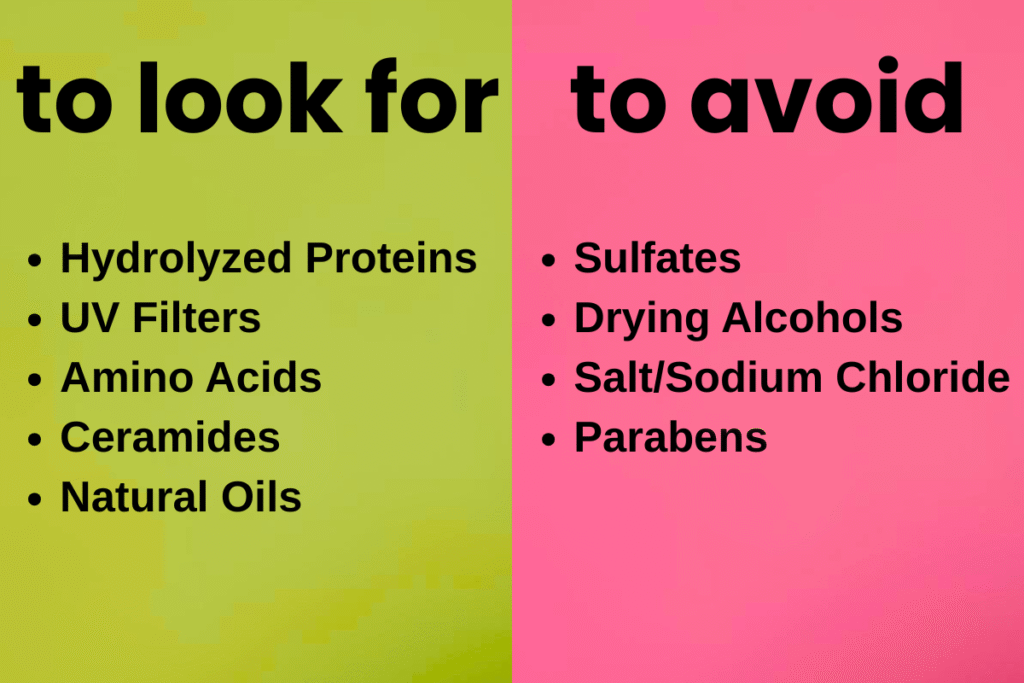
Not all hair products are created equal, especially when it comes to color safe products. Here’s your ingredient cheat sheet for navigating the beauty aisle like a pro:
Look For These Hero Ingredients:
Hydrolyzed Proteins (keratin, wheat, silk): These molecular repair crews fill in gaps in damaged hair cuticles, literally rebuilding your hair from the inside out.
UV Filters (benzophenone, ethylhexyl methoxycinnamate): Just like sunscreen for your skin, these protect your color from sun-induced fading.
Amino Acids: The building blocks of healthy hair that help restore elasticity and strength.
Ceramides: These lipids smooth the cuticle and lock in moisture—think of them as the mortar between your hair’s “bricks.”
Natural Oils (argan, coconut, jojoba): Provide deep conditioning without weighing hair down.
Avoid These Color Killers:
Sulfates (sodium lauryl sulfate, sodium laureth sulfate): These harsh detergents strip color faster than you can say “expensive mistake.” Always opt for sulfate free for colored hair formulas.
Drying Alcohols (isopropyl alcohol, ethanol): While some alcohols are conditioning, these particular ones are moisture vampires.
Salt/Sodium Chloride: Often found in clarifying shampoos, salt can literally pull color molecules out of your hair.
Parabens: While the jury’s still out on their safety, they can cause color to fade prematurely in some hair types.
Wash Routine: How to Shampoo and Condition Colored Hair Properly
Here’s where most people go wrong with their gentle hair care routine. You might have the best shampoo for colored hair, but if you’re washing incorrectly, you’re still sabotaging your color.
The Perfect Colored Hair Wash Routine:
1. Temperature Check: Hot water is color’s worst enemy. Use lukewarm water for washing and finish with a cool rinse to seal the cuticles. Yes, it’s less relaxing than a steamy shower, but your color will thank you.
2. Frequency Matters: Limit washing to 2-3 times per week maximum. On off days, embrace dry shampoo or simply rinse with cool water to refresh.
3. Application Technique:
- Focus shampoo on your scalp and roots—this is where oil buildup occurs
- Let the suds gently cleanse your lengths as you rinse
- Apply conditioner from mid-shaft to ends, avoiding roots
- Leave conditioner on for 2-3 minutes (set a timer!)
4. The Microfiber Magic: Ditch your regular towel for a microfiber one or even a cotton t-shirt. Regular towels create friction that can rough up lifted cuticles and cause fading.
Pro tip: Consider co-washing (conditioner-only washing) between shampoo sessions. Many sulfate free for colored hair brands offer cleansing conditioners that remove buildup without stripping color.
Deep Conditioning: Your Best Friend for Color Longevity
If regular conditioner is a daily vitamin for your hair, then a hair mask for dyed hair is like a superfood smoothie—packed with concentrated nutrients your chemically-treated strands desperately need.
Chemical processing increases your hair’s porosity, creating tiny gaps that leak moisture and color. Deep conditioning treatments work overtime to fill these gaps with proteins, lipids, and intensive moisture that regular conditioner simply can’t provide.
Your Deep Conditioning Game Plan:
Frequency: Once weekly for lightly processed hair, twice weekly for heavily bleached or damaged hair.
Application: Apply to damp (not soaking) hair from mid-lengths to ends. Comb through with a wide-tooth comb for even distribution.
Timing: Follow product instructions, but generally 10-20 minutes with a shower cap for enhanced penetration.
Top Ingredients for Color-Treated Hair Masks:
- Keratin: Rebuilds the hair’s protein structure (product recommendation)
- Argan Oil: Provides deep moisture without heaviness (product recommendation)
- Quinoa Protein: Helps color molecules stay locked in the hair shaft (product recommendation)
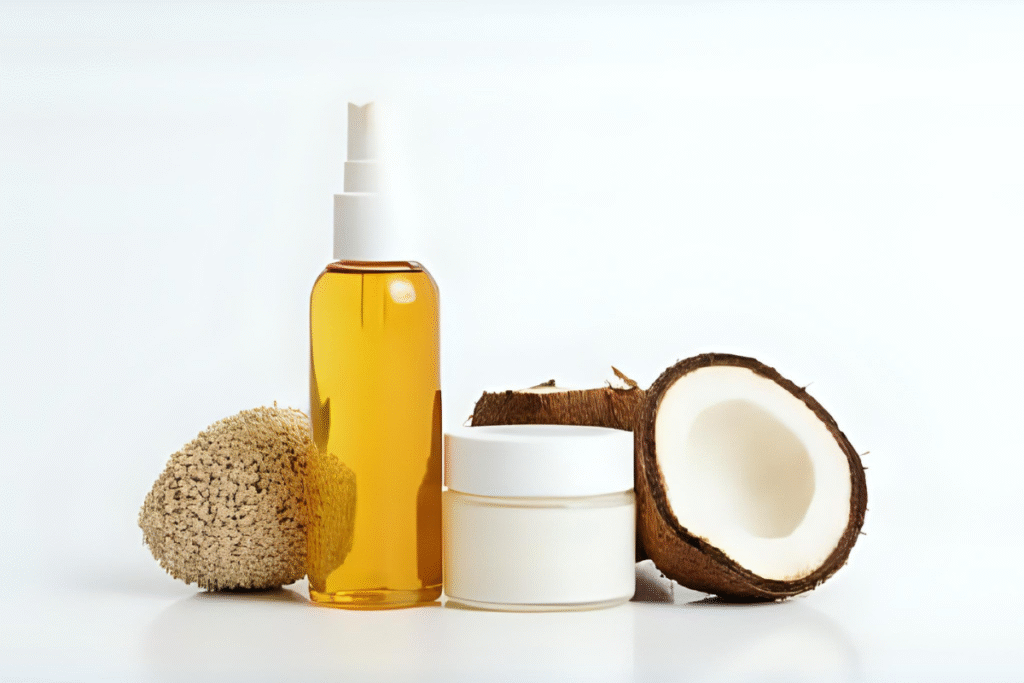
- Coconut Oil: Penetrates the hair cortex for internal repair (product recommendation)
DIY Option: Mix 2 tbsp coconut oil, 1 tbsp honey, and 1 egg yolk for a homemade protein-moisture treatment. Apply for 30 minutes before shampooing.
How to Maintain Hair Color Between Salon Visits
The secret to making your color last isn’t just about what you put on your hair—it’s about protecting it from daily environmental stressors that cause fading and damage.
Your Color Protection Arsenal:
UV Defense: Just as UV rays fade your favorite jeans, they’ll fade your hair color too. Use a UV-protecting hair spray before sun exposure, or rock a stylish hat. Your future self (and wallet) will thank you.
Chlorine Shield: Pool water is basically bleach with extra steps. Before swimming, saturate your hair with clean water and apply a leave-in conditioner to create a protective barrier. (product recommendation)
Silk Pillowcase Upgrade: Cotton pillowcases create friction that can rough up your cuticles overnight. Silk or satin pillowcases let your hair glide smoothly, reducing breakage and color transfer.
Color-Depositing Treatments: These genius products refresh your color between salon visits. Purple shampoo for blondes, copper-toned masks for redheads, or gloss treatments for brunettes can extend your color by weeks.
Heat Styling Boundaries: Every degree of heat opens your cuticles a little more, allowing color to escape. Keep tools under 350°F and always, always use a heat protectant.
The Weekly Color Maintenance Checklist:
- Deep condition once (twice if heavily processed)
- Apply UV protection before outdoor activities
- Sleep on silk or satin
- Use color-depositing products as needed
- Limit heat styling to 2-3 times maximum
Heat Styling and Tools: How to Prevent Further Damage
Let’s be real—most of us aren’t giving up our blow dryers and flat irons just because we colored our hair. The good news? You don’t have to. You just need to be smarter about it.
Hair care for bleached hair requires extra caution with heat, but all chemically treated hair benefits from these protective strategies:
Heat Styling Best Practices:
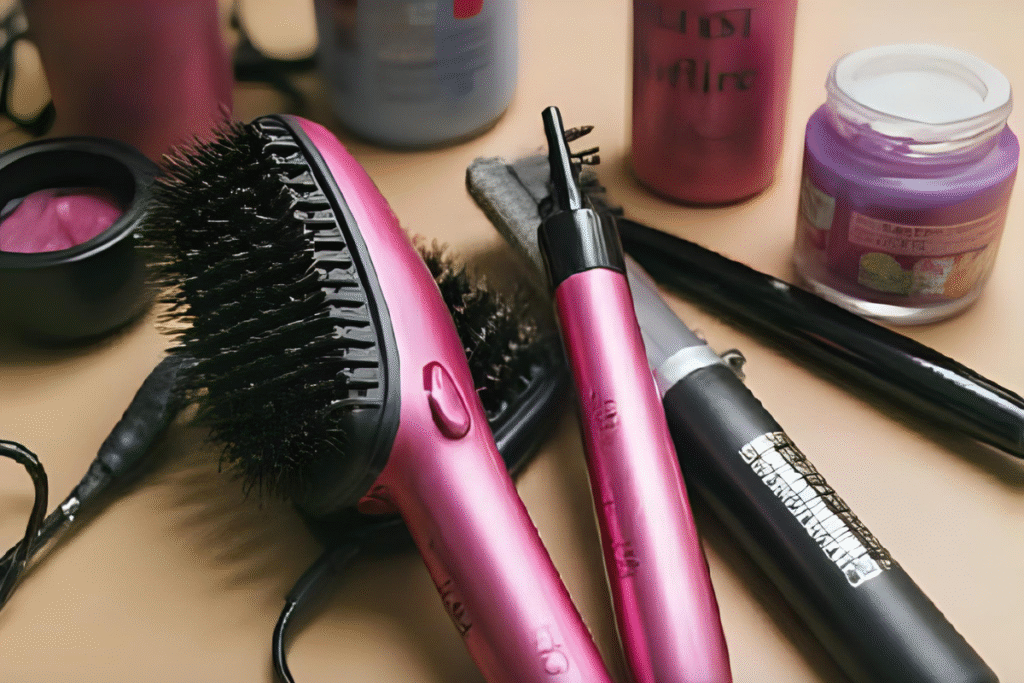
Temperature Control: Keep tools under 350°F for colored hair, 300°F for bleached hair. Higher temperatures literally cook your hair, causing irreversible damage and rapid color loss.
Heat Protectant Non-Negotiables: Apply a thermal protecting spray or cream to damp hair before any heat styling. Look for products with silicones (yes, they’re good here!) that create a protective barrier.
Tool Quality Matters: Invest in ceramic or tourmaline tools that distribute heat evenly. Cheap tools create hot spots that can literally fry sections of your hair.
Air Dry When Possible: Your hair dryer uses temperatures of 180-200°F even on cool settings. When you have time, let your hair air dry 70-80% before finishing with minimal heat.
Top Heat Protectants for Colored Hair:
product recommendation : L’Oreal Paris Elvive, CHI 44 Iron guard, L’Oréal Paris Advanced Hairstyle
Pro Tip: Use the “cool shot” button on your blow dryer to set your style and seal the cuticles—this actually helps lock in color and adds shine.
Common Mistakes to Avoid with Colored Hair
Even with the best intentions, it’s easy to sabotage your gorgeous color with seemingly innocent mistakes. Here are the biggest culprits I see:
The Color-Killing Culprits:
Overwashing: Your scalp might feel oily after two days, but your color doesn’t care about your comfort zone. Stick to 2-3 washes per week, max.
Hot Water Addiction: I get it—hot showers are therapeutic. But they’re also opening your cuticles and washing your expensive color down the drain. Lukewarm is your new best friend.
Clarifying Shampoo Overuse: These deep-cleaning formulas are great monthly, but using them weekly will strip your color faster than you can book a touch-up appointment.
“Natural” Product Assumptions: Just because something is labeled “natural” doesn’t mean it’s safe for colored hair. Lemon juice is natural, but it’s also a bleaching agent.
Skipping the Patch Test: Switching products without testing can lead to unexpected reactions, especially on chemically processed hair that’s more sensitive.
Heat Protectant Shortcuts: “Just this once” becomes a habit faster than you think. Make heat protection as automatic as brushing your teeth.
The Reality Check:
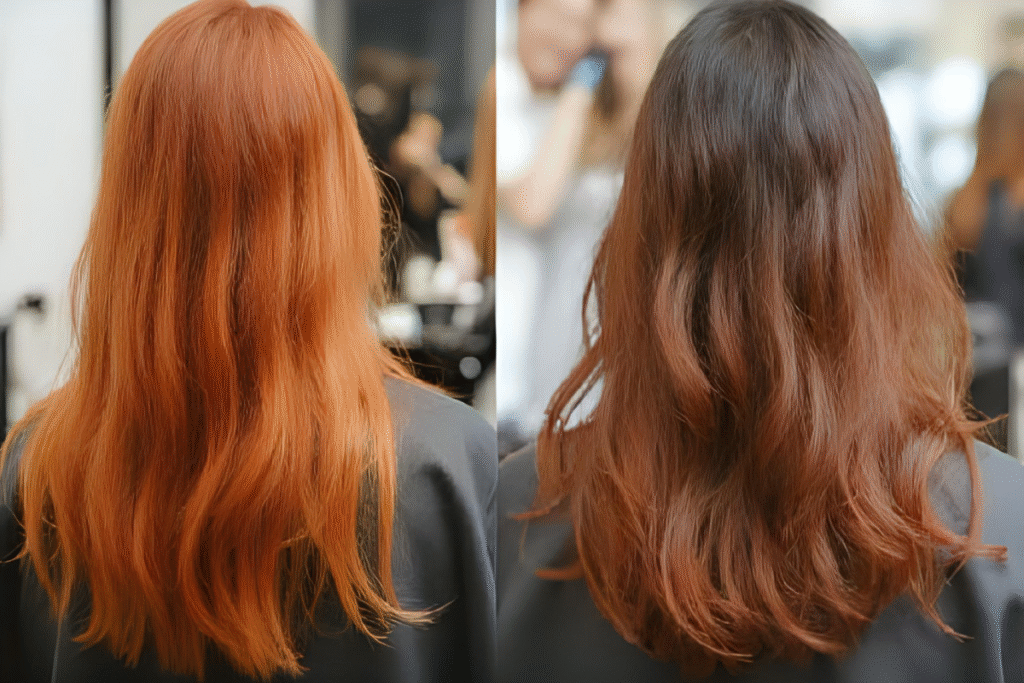
Your colored hair is an investment—both financially and time-wise. These small daily choices add up to either vibrant, healthy color or an expensive re-do in a few weeks.
FAQ: Colored Hair Care Essentials
Q: How soon after coloring can I wash my hair? A: Wait 48-72 hours minimum. Your cuticles need time to close and seal in the color. Use dry shampoo if your roots get oily during this waiting period.
Q: Are sulfate-free shampoos enough to protect my color? A: They’re essential but not sufficient alone. You also need UV protection, proper washing technique, regular deep conditioning, and heat protection for complete color care.
Q: Can I use dry shampoo on colored hair? A: Absolutely! Dry shampoo is your best friend for extending time between washes. Choose a formula that matches your hair color to avoid white residue, and focus on roots only.
Q: How often should I use a hair mask for dyed hair? A: Once weekly for healthy colored hair, twice weekly for bleached or damaged hair. Over-conditioning can actually weigh hair down and make color look dull.
Q: Is purple shampoo safe for all colored hair? A: Purple shampoo is specifically for blonde, silver, and highlighted hair to neutralize brassiness. It can actually deposit unwanted purple tones on brunette or red hair, so choose color-correcting products designed for your specific shade.
Q: Why does my color fade faster in summer? A: UV rays, chlorine, salt water, and increased washing frequency all accelerate color fading. Amp up your protection game with UV sprays and swimming precautions during warmer months.
Conclusion: Love Your Color—And Make It Last
Your colored hair journey doesn’t end when you leave the salon chair—that’s actually where the real work begins. But here’s what I want you to remember: taking care of chemically treated hair isn’t about restriction and sacrifice. It’s about intention and smart choices.
When you maintain hair color properly with gentle hair care products and techniques, you’re not just preserving a look—you’re protecting your hair’s health and your investment. Those sulfate free for colored hair shampoos, weekly deep conditioning sessions, and heat protectant sprays might seem like extra steps now, but they’re the difference between color that fades gracefully over months versus color that looks tired after just a few weeks.
Your colored hair can be healthy, vibrant, and absolutely gorgeous for the long haul. It just needs a little extra love and the right products in its corner.
Ready to transform your colored hair routine? Start with swapping your regular shampoo for a sulfate-free formula, add a weekly hair mask to your routine, and never skip heat protection again. Your future self—and your colorist—will be amazed at the difference.