
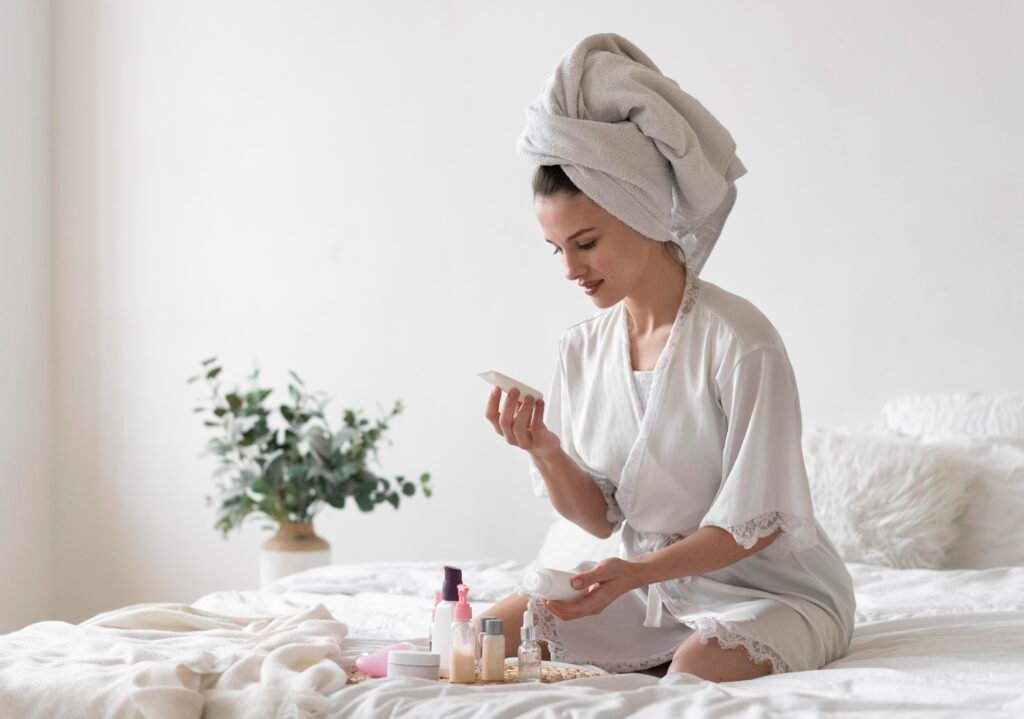
How to Build a Simple Skincare Routine for Beginners: Your Ultimate Guide to Glowing Skin
Picture this: you’re standing in the skincare aisle at Target, completely overwhelmed by serums that promise to turn back time, cleansers with names you can’t pronounce, and moisturizers that cost more than your monthly coffee budget. Sound familiar?
I’ve been there too. When I first decided to get serious about my skin, I felt like I needed a PhD in chemistry just to understand what hyaluronic acid was supposed to do for my face. The truth? Building a basic skincare routine doesn’t have to be rocket science.
Here’s what I wish someone had told me from the start: great skin isn’t about having 15 products lined up on your bathroom counter. It’s about consistency, patience, and understanding that sometimes the simplest approach is the most effective one.
If you’re ready to ditch the confusion and build a daily skincare routine that actually works, you’re in the right place. Let’s break down everything you need to know about beginner skincare without the overwhelm.
Why Your Skin Deserves Better Than Whatever You're Doing Now
Before we dive into the how-to, let’s talk about the why. Your skin is literally your body’s largest organ—it deserves more attention than that random face wash you grabbed at the grocery store three months ago.
A proper skincare routine isn’t vanity; it’s basic maintenance. Think of it like brushing your teeth or changing your car’s oil. You do these things consistently because you know neglecting them leads to bigger problems down the road.
The benefits of establishing a best skincare routine go beyond just looking good in selfies:
- Prevention is cheaper than correction: Those fine lines and dark spots? Much easier to prevent than to treat later.
- Confidence boost: When your skin feels good, you feel good. It’s that simple.
- Self-care ritual: Those few minutes each morning and evening become your personal reset button.
Step One: Know Your Skin Like Your Best Friend
Here’s where most people go wrong: they start buying products before they understand what their skin actually needs. It’s like trying to cook dinner for someone without knowing if they’re vegetarian, allergic to nuts, or hate cilantro.
The Main Skin Types (And How to Figure Out Yours)
Oily Skin: Your face could power a small oil rig by noon. You’re probably familiar with blotting papers and powder compacts. Look for gel-based cleansers and lightweight, oil-free moisturizers.
Dry Skin: Your skin feels tight after washing, and you might notice flaky patches. Cream cleansers and rich moisturizers with ingredients like ceramides and hyaluronic acid are your friends.
Combination Skin: Your T-zone (forehead, nose, chin) is oily, but your cheeks are normal or dry. You might need different products for different areas of your face.
Sensitive Skin: Your skin reacts to new products like a drama queen—redness, irritation, or breakouts are common. Fragrance-free, gentle formulas are essential.
Normal Skin: Lucky you! Your skin is generally balanced without major concerns. You have the most flexibility in product choices.
Pro tip: Still not sure? Do the tissue test. Wash your face, wait an hour, then press tissue paper to different areas. Oily areas will leave oil marks, dry areas won’t leave any residue.
The Basic Steps: Your New Daily Skincare Routine
Forget the 10-step Korean skincare routine for now. Beginner skincare should start with the essentials. Think of it as building a house—you need a solid foundation before you add the fancy decorative elements.
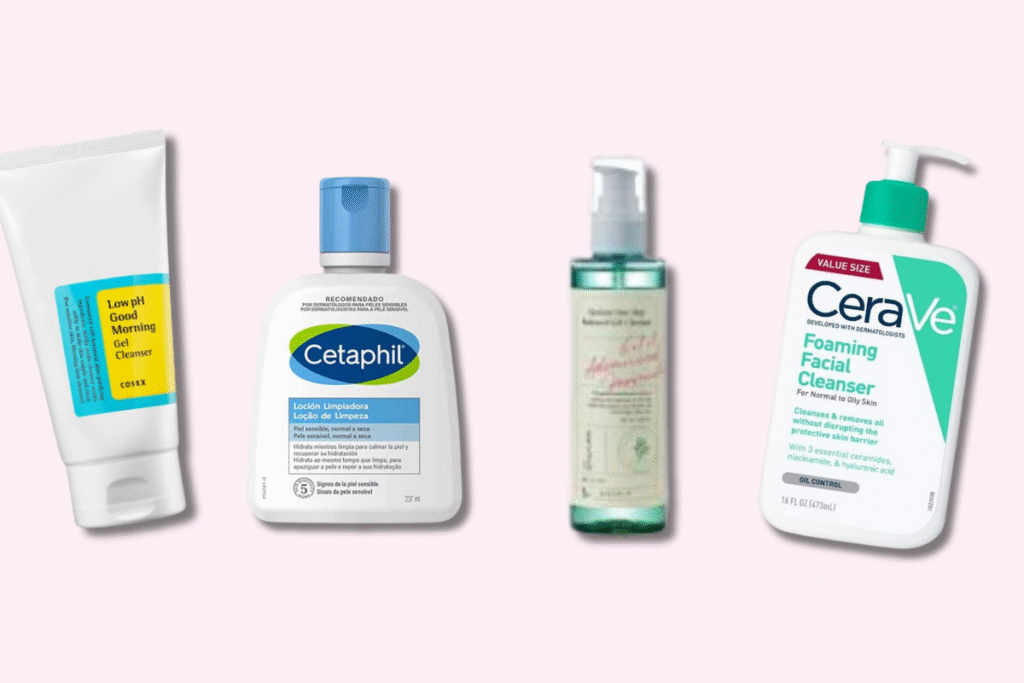
Step 1: Cleanse (Morning and Night)
Purpose: Remove dirt, oil, makeup, and all the environmental pollution your skin collects throughout the day.
Cleansing is non-negotiable. I don’t care if you came home at 2 AM after the best night of your life—wash your face. Your future self will thank you.
How to choose the right cleanser:
- Oily skin: Gel or foaming cleansers with salicylic acid
- Dry skin: Cream or lotion cleansers with hydrating ingredients
- Sensitive skin: Gentle, fragrance-free cleansers with minimal ingredients
- Combination skin: A balanced gel cleanser that won’t over-dry
Double cleansing for makeup wearers: Start with an oil-based cleanser or micellar water to remove makeup, then follow with your regular cleanser. It sounds like extra work, but trust me—it’s a game-changer.
Step 2: Tone (Optional, But Often Helpful)
Purpose: Balance your skin’s pH, remove any leftover cleanser residue, and prep your skin for the next steps.
Here’s the thing about toners: they’ve gotten a bad rap because of those alcohol-heavy formulas from the ’90s that left your face feeling like the Sahara desert. Modern toners are different—they’re hydrating and gentle.
Who should use toner:
- Anyone with oily or acne-prone skin (look for BHA or AHA toners)
- People with dry skin (hydrating toners with hyaluronic acid)
- Those who want an extra layer of hydration
How to apply: You can use a cotton pad, but I prefer patting it directly onto clean skin with my hands. Less waste, more effective.
Step 3: Treat (Serums and Targeted Treatments)
Purpose: Address specific skin concerns with concentrated active ingredients.
This is where things get exciting. Serums are like the specialized tools in your skincare toolkit—each one designed for a specific job.
Best beginner-friendly serums:
| Concern | Serum Type | Key Ingredient |
|---|---|---|
|
Dryness/Dehydration
|
Hydrating Serum
|
Hyaluronic Acid
|
|
Dullness |
Brightening Serum
|
Vitamin C
|
|
Fine Lines |
Anti-aging Serum |
Retinol (start slow!)
|
|
Uneven Skin Tone |
Exfoliating Serum
|
AHA/BHA
|
My advice: Start with just one serum. I know it’s tempting to buy five different bottles, but your skin needs time to adjust. Hyaluronic acid is usually the safest bet for beginners—it hydrates without irritating.
Step 4: Moisturize (Every Single Day)
Purpose: Hydrate your skin and strengthen the protective barrier.
Even if you have oily skin, you need moisturizer. Skipping it won’t make your skin less oily—it’ll just make it angry and potentially more oily as it overcompensates.
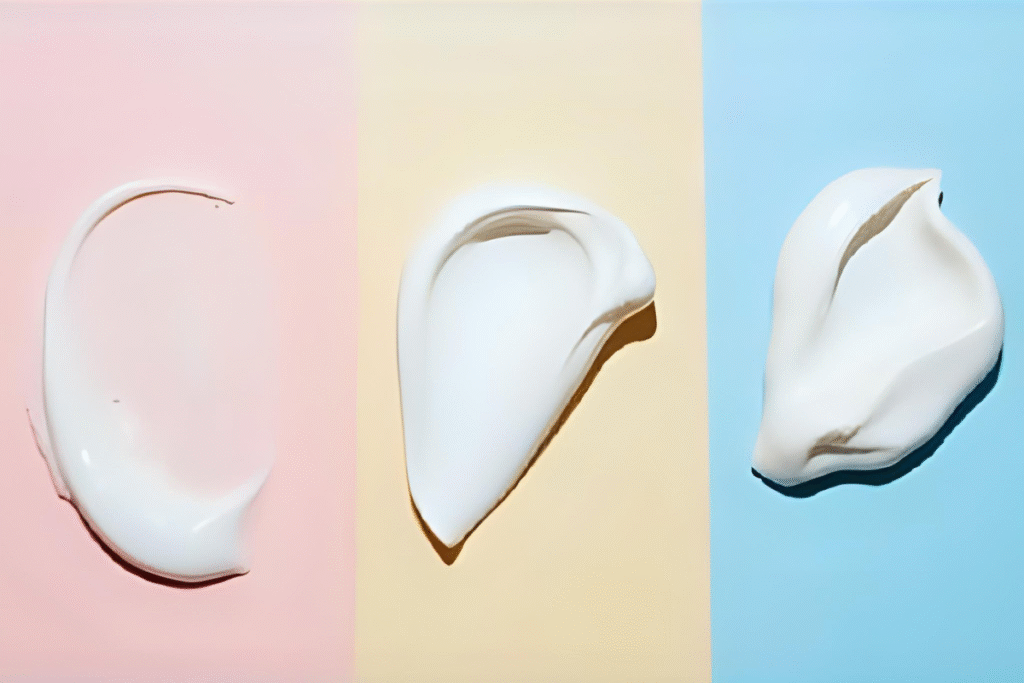
Choosing your moisturizer:
- Gel moisturizers: Perfect for oily or combination skin
- Cream moisturizers: Ideal for dry or mature skin
- Lotion moisturizers: Great for normal skin
- Fragrance-free options: Essential for sensitive skin
Application tip: Apply to slightly damp skin to lock in extra hydration. Use upward strokes and don’t forget your neck—it shows age just as much as your face.
Step 5: Sunscreen (Morning Only, But Non-Negotiable)
Purpose: Protect against UV damage, prevent premature aging, and reduce skin cancer risk.
If you take away only one thing from this entire article, let it be this: wear sunscreen every single day. Not just when you’re going to the beach. Not just when it’s sunny. Every. Single. Day.
UV rays don’t take weekends off, and neither should your SPF.
What to look for:
- Broad-spectrum protection (protects against UVA and UVB rays)
- At least SPF 30
- A formula you’ll actually want to use daily
Types of sunscreen:
- Chemical sunscreens: Absorb UV rays, often lighter texture
- Mineral sunscreens: Create a physical barrier, better for sensitive skin
Optional Add-Ons (Once You've Mastered the Basics)
After you’ve been consistent with your basic skincare routine for at least a month, you might want to add some extras:
Eye Cream
Your eye area is delicate and often the first place to show signs of aging. A good eye cream can help with dark circles, puffiness, and fine lines.
Spot Treatments
For those occasional breakouts that seem to appear at the worst possible moments (like right before a big presentation or date).
Exfoliation
1-2 times per week, max. Chemical exfoliants (AHA/BHA) are generally gentler than physical scrubs. Start slowly and always patch test.
Your Success Strategy: Tips That Actually Work
Start Simple, Build Gradually
I cannot stress this enough: don’t buy a dozen products and start using them all at once. Your skin will revolt, and you won’t know which product is causing problems.
Introduce one new product at a time, wait at least a week (preferably two) before adding another.
Consistency Beats Perfection
A simple routine done consistently beats a complex routine done sporadically. It’s better to wash your face with a basic cleanser every night than to do an elaborate 8-step routine once a week.
Patch Test Everything
Apply a small amount of new product to your inner arm or behind your ear. Wait 24-48 hours. No reaction? You’re probably good to go.
Be Patient
Skincare isn’t instant gratification. Most products need 4-6 weeks to show real results. I know it’s frustrating, but trust the process.
Common Mistakes That Are Sabotaging Your Skin
Over-Exfoliating
More isn’t always better. Over-exfoliating can damage your skin barrier, leading to irritation, sensitivity, and even more breakouts.
Skipping Sunscreen
I’ll say it again: sunscreen is the most important step in your routine. Period.
Product Hopping
Stop switching products every week because you don’t see immediate results. Give your routine time to work.
Not Removing Makeup Properly
Sleeping in makeup is like going to bed with dirty sheets. Your skin repairs itself at night, and makeup prevents this process.
Sample Product Recommendations for Different Budgets
Budget-Friendly Options:
Cleanser: CeraVe Foaming Facial Cleanser
Moisturizer: Cetaphil Daily Facial Moisturizer
Sunscreen: Neutrogena Ultra Sheer Dry-Touch
Mid-Range Options:
Cleanser: La Roche-Posay Toleriane Caring Wash
Serum: The Ordinary Hyaluronic Acid 2% + B5
Moisturizer: Clinique Dramatically Different Moisturizing Gel
Investment Pieces:
Serum: Skinceuticals CE Ferulic (Vitamin C)
Moisturizer: Drunk Elephant Lala Retro Whipped Cream
Sunscreen: EltaMD UV Clear Broad-Spectrum SPF 46
The Bottom Line: Your Skin Journey Starts Now
Building the best skincare routine for your skin doesn’t happen overnight. It’s a journey of trial and error, patience, and consistency. Some days you’ll wake up with glowing skin that makes you feel like you could be in a skincare commercial. Other days, you’ll wonder if that new serum is actually making things worse.
Both scenarios are completely normal.
The key is to start where you are, with what you have, and build from there. Your skin doesn’t need perfection—it needs consistency and care.
Remember: the most expensive routine in the world won’t work if you don’t stick to it. A simple, affordable routine that you actually follow will always beat a complicated, expensive one that sits unused on your bathroom shelf.
Your future self is counting on the choices you make today. So tonight, when you’re tempted to skip washing your face because you’re tired, remember this article. Remember that glowing, healthy skin is built one consistent day at a time.
Ready to start your beginner skincare journey? Your skin is waiting.
What’s your biggest skincare challenge right now? Drop a comment below and let’s figure out your next steps together. And if this guide helped you, share it with a friend who’s still using 3-in-1 body wash on their face (we all have that friend).