Why Hair Oiling Still Matters (When Done Right)
Ever notice how hair oiling is everywhere again—on TikTok, dermatologist blogs, and even Sephora shelves—yet half the advice feels wildly contradictory? One person swears oil saved their hair, another says it caused fallout. The truth sits somewhere in the middle.
A hair oiling routine can absolutely support healthier-looking hair—but only when you understand what oils can (and can’t) do. Oil alone won’t magically change your genetics or give you waist-length hair overnight. What it can do is protect the scalp barrier, reduce breakage, and create the ideal environment for growth.
In this guide, I’ll break down the best oils for hair growth, how to use them strategically, and which viral habits are worth skipping. Think less folklore, more science—served with practical tips you can actually stick to.
What Hair Oiling Actually Does (And What It Doesn’t)
Let’s set expectations—because trust starts here.
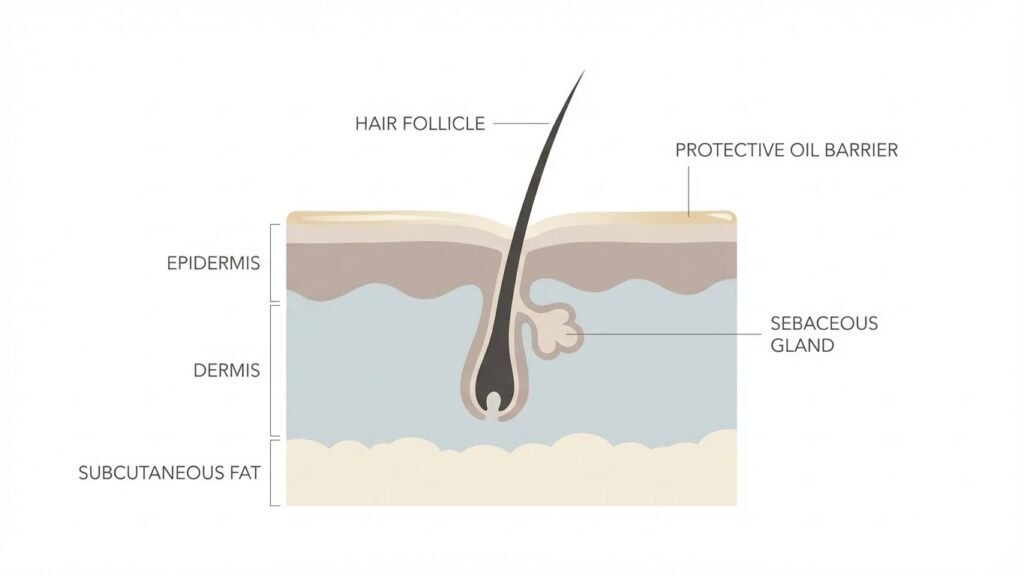
Hair oils primarily work by supporting scalp health and protecting the hair shaft, not by forcing new hair to grow where follicles don’t exist. When applied correctly, oil helps reinforce the scalp’s lipid barrier, smooths the cuticle, and reduces friction that leads to breakage.
Here’s the key distinction:
- Growth support = less breakage, healthier follicles, better circulation
- Growth creation = genetics, hormones, and nutrition (oil can’t override these)
A consistent hair oiling routine paired with gentle cleansing and scalp massage oil techniques can help you retain more length—often mistaken for “faster growth.”
The Best Oils for Hair Growth (Backed by Research)
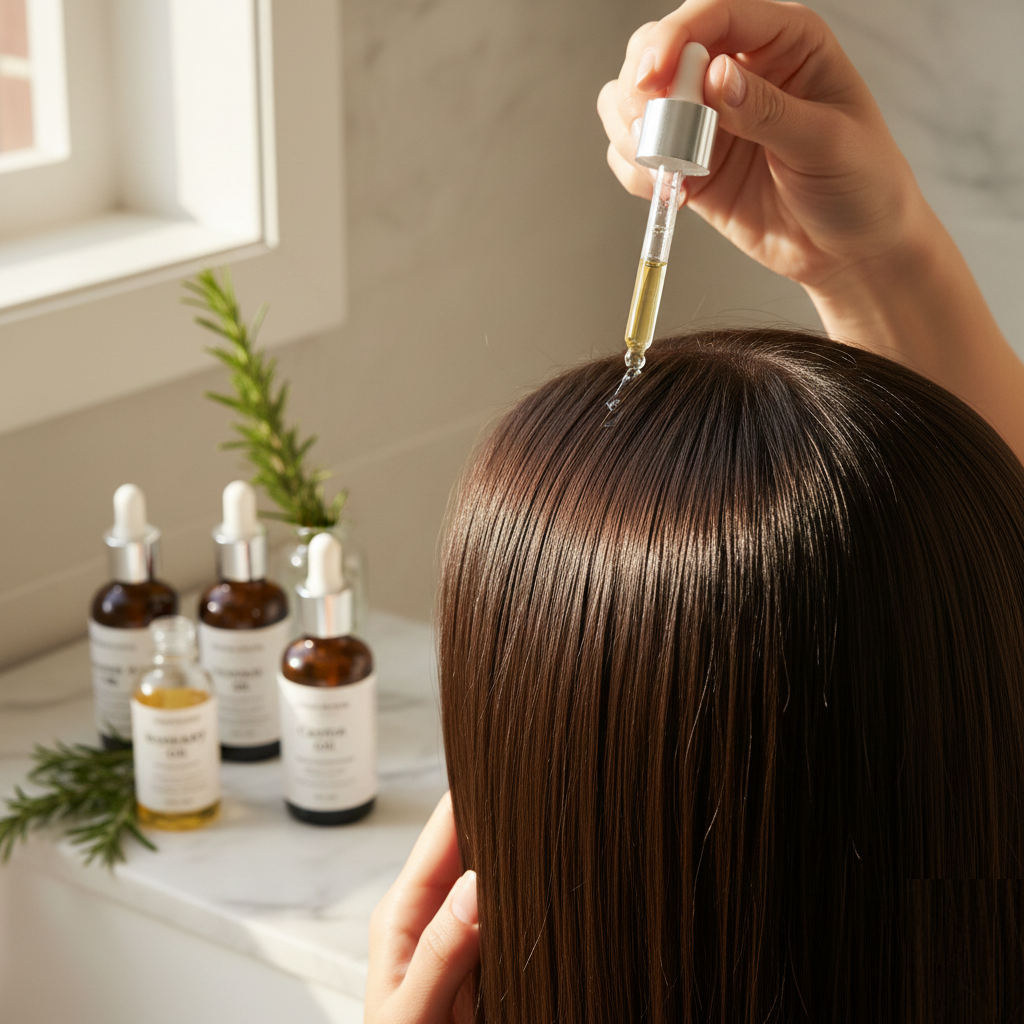
If you’re searching for the best oils for hair growth, here’s the evidence-backed shortlist—each with a different job.
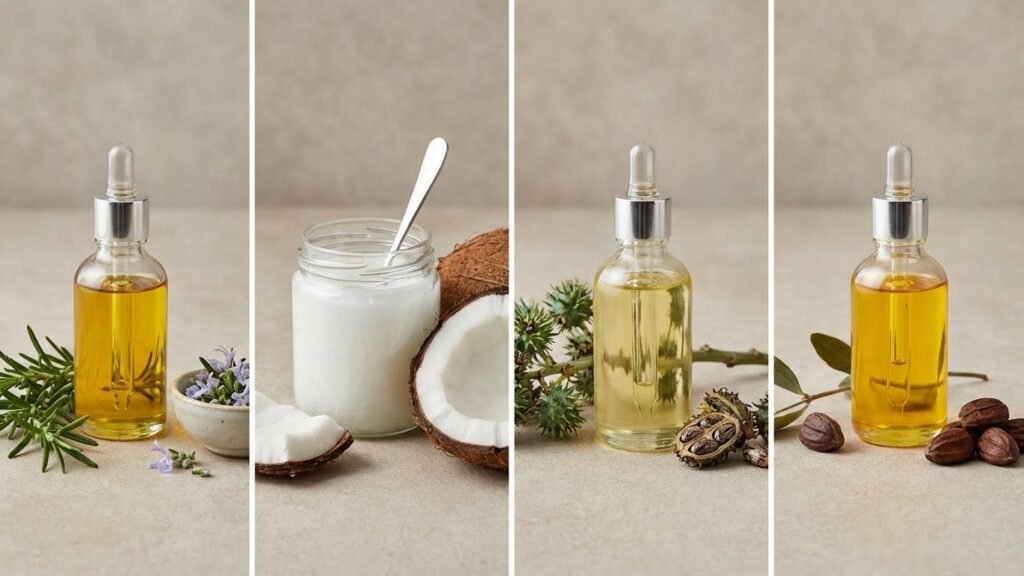
Rosemary Oil
One of the most studied oils for growth support. Research suggests rosemary oil may improve circulation and reduce hair shedding similarly to minoxidil over time. (See our dermatologist-approved rosemary oil pick)
Best for: Thinning hair, scalp stimulation
Coconut Oil
A classic for a reason. Coconut oil penetrates the hair shaft and reduces protein loss, making strands stronger and more resilient. (Browse high-quality virgin coconut oil for hair)
Best for: Preventing breakage, strengthening lengths
Castor Oil
Thick, occlusive, and rich in ricinoleic acid. It creates the illusion of thicker hair by coating strands and sealing moisture.
Best for: Dry scalps, brows, edges
Jojoba Oil
Structurally similar to natural sebum, making it ideal for scalp balance.
Best for: Oily or sensitive scalps
Coconut Oil Hair: Miracle Oil or Overhyped?
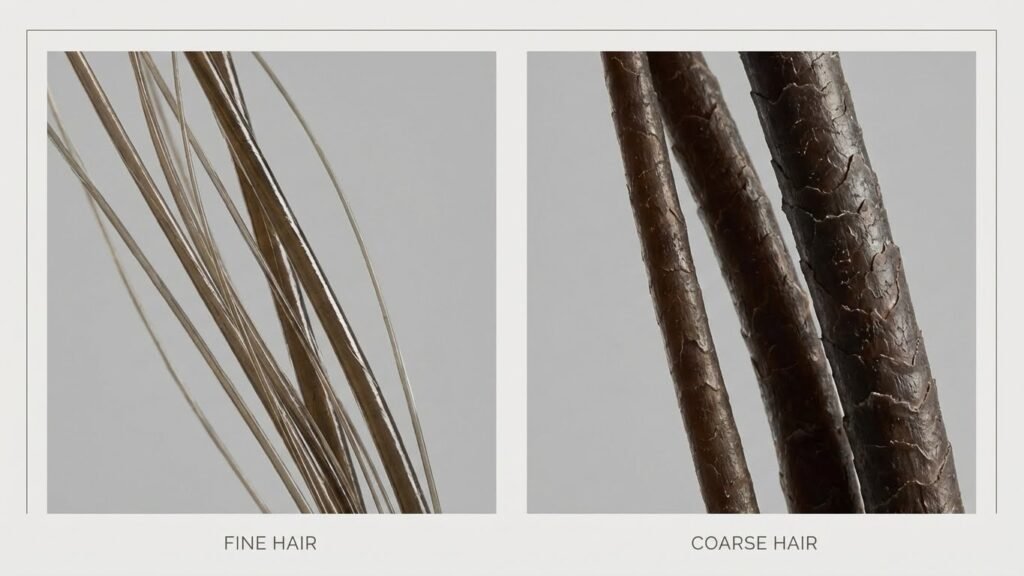
Coconut oil hair treatments have a loyal following—but they’re not universal. The upside? Coconut oil reduces protein loss and adds impressive shine. The downside? It can feel too heavy for fine or low-porosity hair, leading to stiffness or buildup.
Pros:
- Excellent for reducing frizz
- Strengthens damaged hair
Cons:
- Can weigh down fine hair
- Harder to wash out if overused
If your goal is hair oil for frizz, coconut oil works best as a pre-wash or sparing mid-length treatment—not a daily leave-in.
How to Build a Hair Oiling Routine That Actually Works
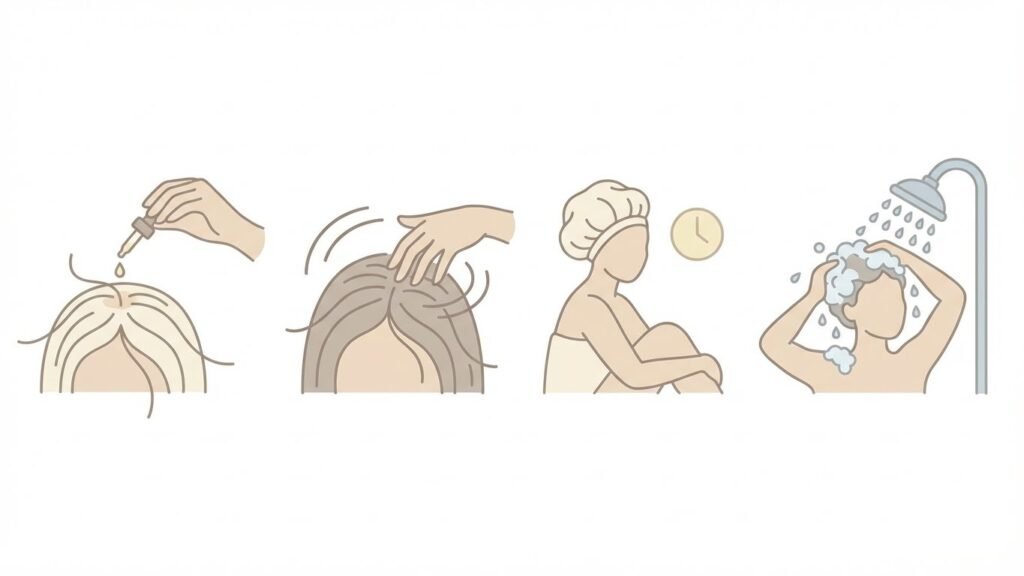
Consistency beats excess. Here’s a simple, effective hair oiling routine you can maintain:
1. Choose your oil by goal
- Scalp issues → rosemary, jojoba
- Dry lengths → coconut, argan
2. Apply strategically
- Scalp oil ≠ hair oil
- Don’t drench your roots unless treating dryness
3. Massage gently
- 5 minutes max
- Fingertips only—no aggressive tools
4. Timing matters
- Pre-wash (30–60 min) = safest bet
- Overnight oiling = situational (more below)
See scalp oil applicators that make mess-free application easy
Scalp Massage Oil: Does It Improve Results?
Short answer: yes—but technique matters more than quantity.
Using a scalp massage oil for 5–10 minutes can increase blood flow and relaxation, both of which support consistency (and consistency is everything). Skip sharp tools or excessive pressure—traction can backfire.
Think calming ritual, not deep-tissue massage.
Oiling Hair Overnight: Smart Habit or Scalp Mistake?
Overnight oiling is a classic—but it’s not for everyone.
Works well if you have:
- Dry scalp
- Coarse or curly hair
May backfire if you have:
- Oily or acne-prone scalp
- Sensitive skin
If you oil hair overnight, protect your pillowcase, avoid heavy oils, and shampoo thoroughly in the morning.
Using Hair Oil for Frizz, Shine, and Styling
Beyond growth, hair oil shines (literally) as a styling tool. For hair oil for frizz, less is more.
- Use 1–2 drops max
- Apply to mid-lengths and ends only
- Oils seal moisture—they don’t hydrate
Best lightweight options: argan, jojoba, squalane.
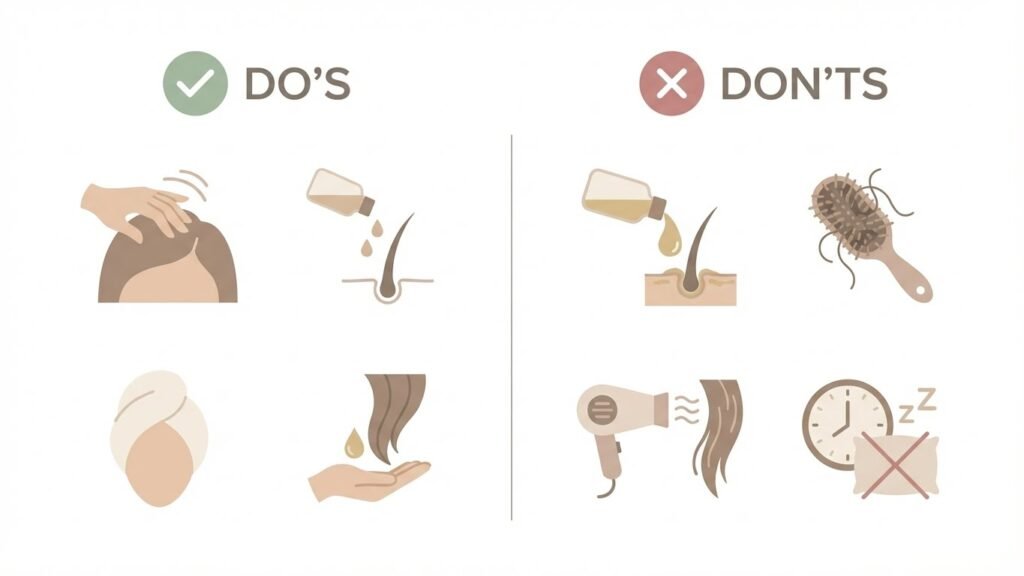
Common Hair Oiling Mistakes to Avoid
Let’s save you the disappointment:
- Leaving oil on too long
- Using heavy oils on fine hair
- Not shampooing thoroughly
- Expecting instant growth
Oil should support your routine—not replace good cleansing and patience.
FAQs: Hair Oiling Questions Answered
How often should I oil my hair?
1–2 times per week is ideal for most people.
Can oil clog hair follicles?
Yes—if not washed out properly or used excessively.
Is rosemary oil safe for daily use?
Diluted rosemary oil can be used several times a week, but daily use isn’t necessary.
Should I oil dirty or clean hair?
Lightly dirty hair is fine—but avoid heavy buildup before oiling.
Conclusion: Make Hair Oiling Work for Your Hair
Hair oiling isn’t magic—but it is powerful when personalized. The right oil, the right method, and the right frequency can transform how your hair looks and feels over time.
Start simple. Stay consistent. And remember: the best oils for hair growth are the ones your scalp actually tolerates.
If this guide helped, save it for later—or explore our related scalp care routines to build a system that truly works for you.