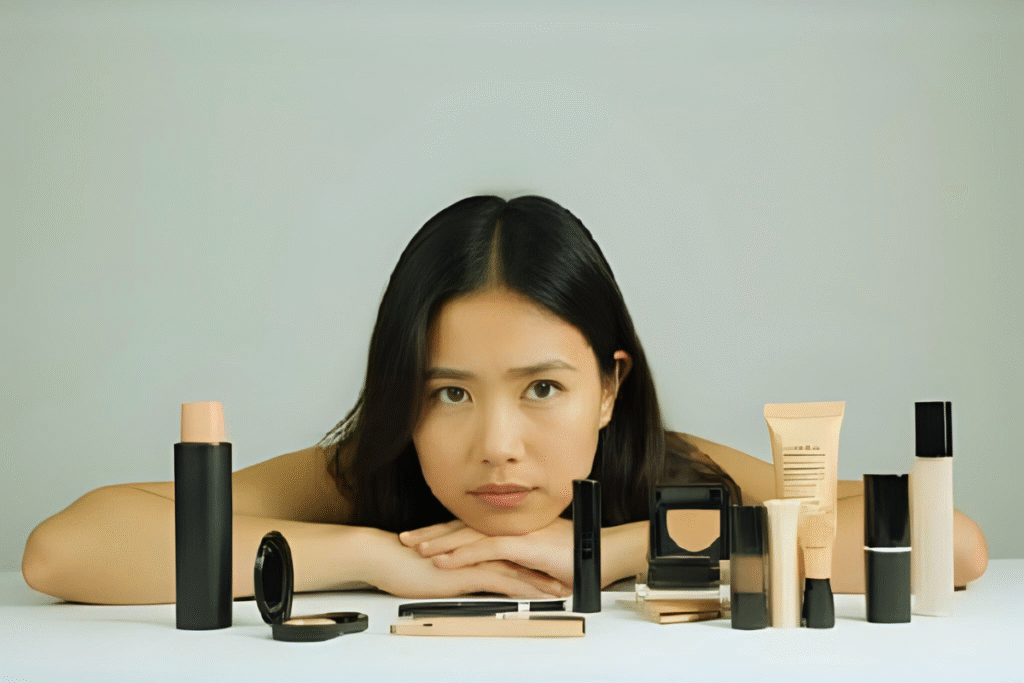
Why Your Makeup Might Be Causing Breakouts
Picture this: You wake up with clear skin, apply your usual makeup routine, and by afternoon, you’re dealing with new breakouts or irritated patches. Sound familiar? You’re not alone—over 60% of women report experiencing makeup-related skin irritation at some point in their lives.
Here’s the thing: makeup for sensitive skin isn’t just about finding products labeled “gentle.” It’s about understanding that your foundation, concealer, and even that seemingly innocent blush could be sabotaging your complexion. When you have acne-prone or reactive skin, every ingredient matters, and choosing the wrong formula is like adding fuel to an already smoldering fire.
The good news? With the right knowledge and carefully selected products, you can create a stunning look without compromising your skin’s health. In this comprehensive guide, we’ll explore everything you need to know about makeup for acne-prone skin, from decoding ingredient lists to building a routine that actually supports your skin barrier.
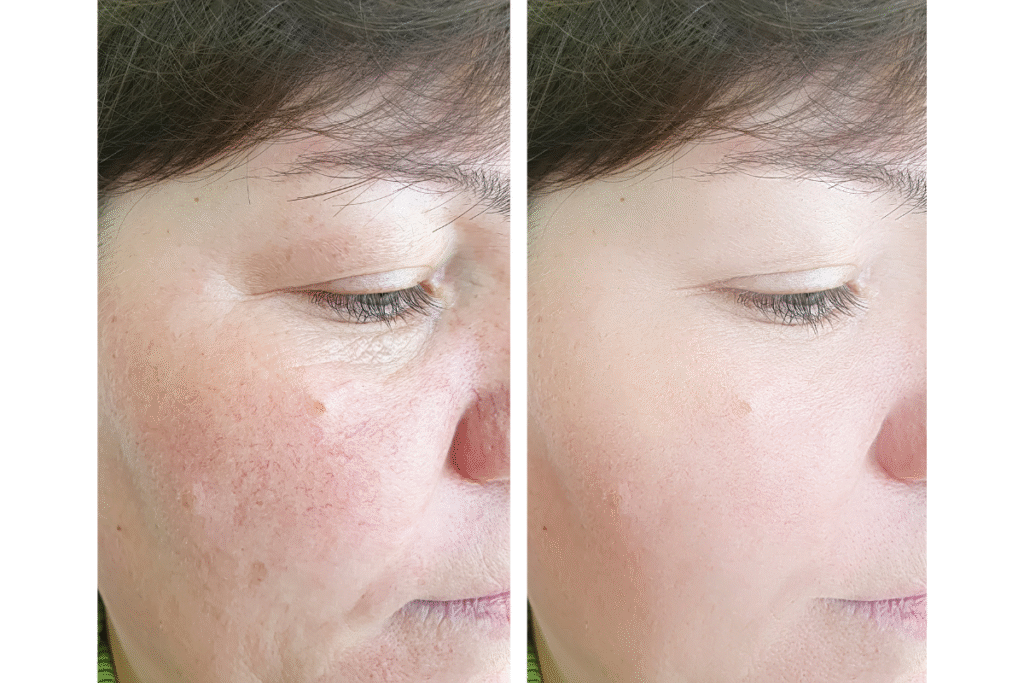
What to Look for in Makeup for Sensitive and Acne-Prone Skin
Before we dive into specific product recommendations, let’s talk about the essential criteria that separate skin-friendly makeup from potential troublemakers. Think of this as your detective toolkit for navigating the beauty aisle.
Key Terms That Actually Matter
Non-Comedogenic: This isn’t just marketing fluff—it means the product has been tested and proven not to clog pores. However, here’s the catch: there’s no standardized testing for this claim, so stick to brands with solid reputations and clinical backing.
Hypoallergenic: While this suggests fewer allergic reactions, it’s not a guarantee. What matters more is the absence of common irritants like synthetic fragrances and harsh preservatives.
Fragrance-Free vs. Unscented: These aren’t the same thing! Fragrance-free means no added scents, while unscented products might contain masking fragrances to hide natural ingredient odors.
Your Shopping Checklist
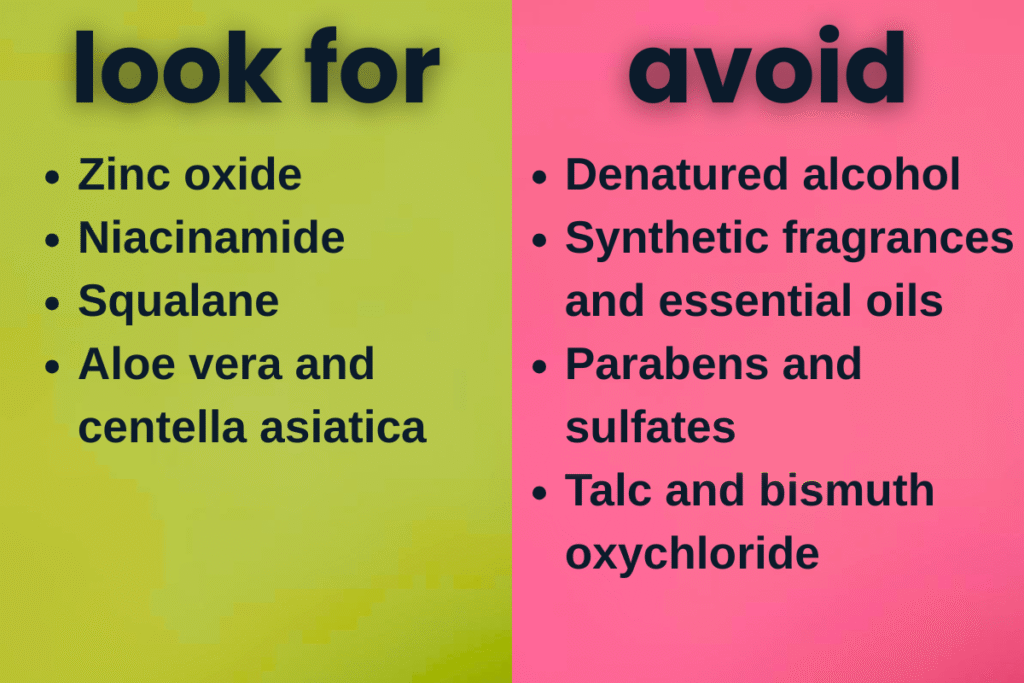
✓ Look for these skin-loving ingredients:
- Zinc oxide (anti-inflammatory and provides sun protection)
- Niacinamide (reduces redness and regulates oil production)
- Squalane (lightweight hydration without greasiness)
- Aloe vera and centella asiatica (soothing botanical extracts)
✗ Avoid these potential troublemakers:
- Denatured alcohol (alcohol denat)
- Synthetic fragrances and essential oils
- Parabens and sulfates
- Talc and bismuth oxychloride (can be pore-clogging)
Certifications Worth Noting
When you see “dermatologist recommended” or “allergy tested,” these carry more weight than generic “gentle” claims. Brands like Clinique, Almay, and newer clean beauty companies often invest in actual clinical testing.
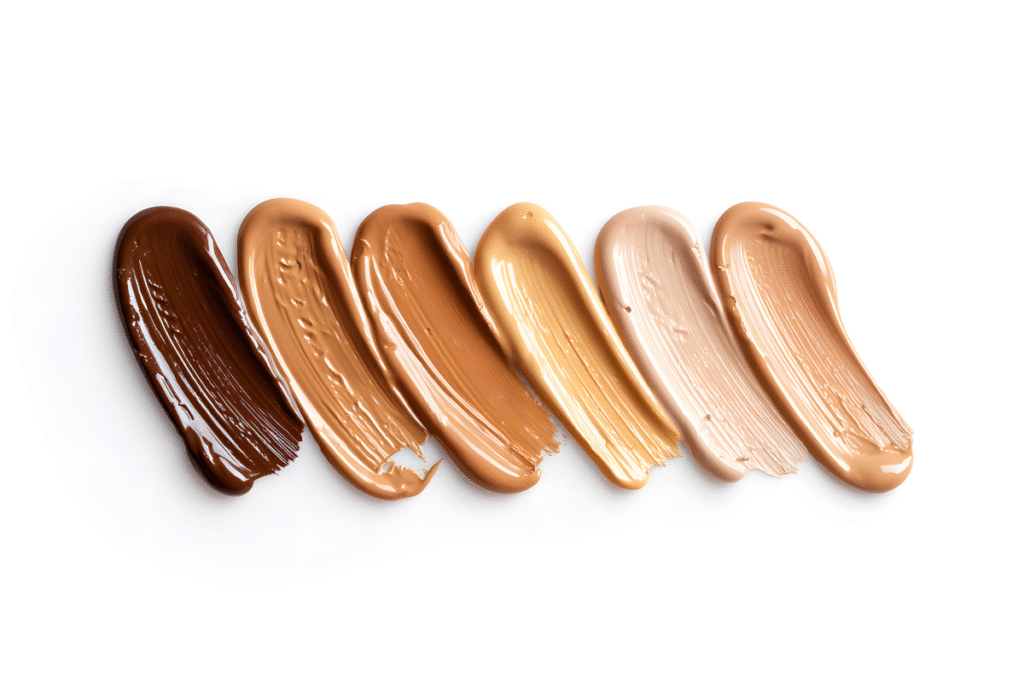
Best Foundations for Acne-Prone and Sensitive Skin
Now for the main event—let’s talk about the best foundation for acne and sensitive skin types. I’ve curated this list based on dermatologist recommendations, user reviews, and ingredient analysis.
Why we love it: This mineral makeup pioneer remains a gold standard for sensitive skin. The formula contains only five ingredients, making it ideal for those who react to complex formulations.
- Coverage: Medium, buildable
- Best for: Oily, acne-prone skin
- Key ingredients: Zinc oxide, iron oxides
- Price range: Mid-range
Why we love it: This skincare-infused makeup doubles as treatment with niacinamide and squalane. It’s like wearing a serum that happens to even out your skin tone.
- Coverage: Light to medium
- Best for: Dry, sensitive skin
- Key ingredients: Niacinamide, squalane, zinc oxide
- Price range: High-end
Why we love it: An excellent drugstore option that contains salicylic acid to treat existing breakouts while providing coverage.
- Coverage: Medium
- Best for: Active acne, oily skin
- Key ingredients: Salicylic acid, vitamin E
- Price range: Budget-friendly
Why we love it: Clinique’s allergy-tested promise isn’t just marketing—they’ve been catering to sensitive skin for decades.
- Coverage: Medium to full
- Best for: All sensitive skin types
- Key ingredients: Vitamin C, peptides
- Price range: Mid to high-end
Why we love it: Created specifically for sensitive skin, this non-comedogenic makeup offers broad-spectrum SPF 30 protection.
- Coverage: Light to medium
- Best for: Sensitive, reactive skin
- Key ingredients: Zinc oxide, iron oxides
- Price range: Mid-range
Top Gentle Concealers That Don't Irritate or Clog Pores
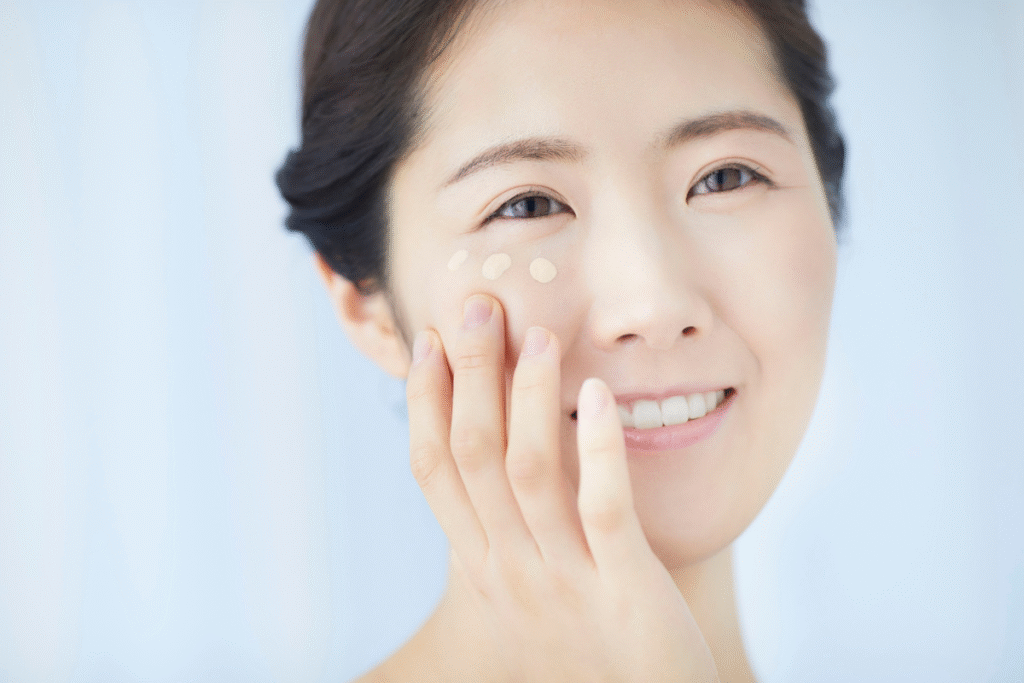
Concealers are often the most concentrated products in your makeup bag, which means they have the highest potential for causing issues. Here are the gentle concealer options that won’t betray your skin.
For Spot Coverage
1. La Roche-Posay Toleriane Teint Concealer This pharmacy favorite contains thermal spring water and is formulated for the most reactive skin types. The coverage is impressive without feeling heavy.
2. Glossier Olivia Rodrigo Concealer Despite the celebrity collaboration, this formula is surprisingly gentle with a lightweight feel that doesn’t cake or settle into fine lines.
For Redness and Color Correction
3. IT Cosmetics Bye Bye Redness Concealer This redness concealer uses color-correcting technology with green undertones to neutralize redness without requiring multiple layers.
4. Almay Clear Complexion Concealer Formulated with salicylic acid, this drugstore gem treats blemishes while concealing them—perfect for active breakouts.
For Under-Eye Coverage
5. Tarte Shape Tape Contour Concealer While full-coverage, the formula is surprisingly gentle and doesn’t emphasize dry patches under the eyes.
6. Maybelline Fit Me Concealer A budget-friendly option that comes in an extensive shade range and won’t irritate sensitive under-eye skin.
Skin-Loving Ingredients to Seek in Makeup (and What to Avoid)
The beauty industry has evolved, and now your makeup can actually benefit your skin instead of just sitting on top of it. Here’s your guide to skincare-infused makeup ingredients.
Ingredients That Love Your Skin Back
| Ingredient | Benefits | Best For |
|---|---|---|
|
Niacinamide |
Reduces inflammation, controls oil, minimizes pores
|
Acne-prone, oily skin
|
|
Zinc Oxide
|
Anti-inflammatory, broad-spectrum sun protection
|
Sensitive, reactive skin
|
|
Squalane
|
Lightweight hydration, strengthens skin barrier
|
Dry, dehydrated skin
|
|
Hyaluronic Acid
|
Plumps skin, retains moisture
|
All skin types
|
|
Centella Asiatica
|
Soothes irritation, promotes healing
|
Sensitive, inflamed skin
|
|
Vitamin E
|
Antioxidant protection, moisturizing
|
Mature, environmentally stressed skin
|
The Hall of Shame: Ingredients to Avoid
Denatured Alcohol: Often listed as “alcohol denat,” this drying agent can strip your skin’s natural barrier and trigger excess oil production.
Synthetic Fragrances: These are among the top allergens in cosmetics. Even if you don’t react immediately, repeated exposure can sensitize your skin over time.
Talc: While not inherently bad, talc can be comedogenic for some people and has been linked to contamination concerns.
Bismuth Oxychloride: This mineral gives makeup its silky feel but can cause itching and breakouts in sensitive individuals.
Common Makeup Mistakes That Trigger Breakouts and Irritation
Even the gentlest products can cause problems if you’re making these common mistakes. Let’s troubleshoot your routine.
1. The Dirty Brush Dilemma
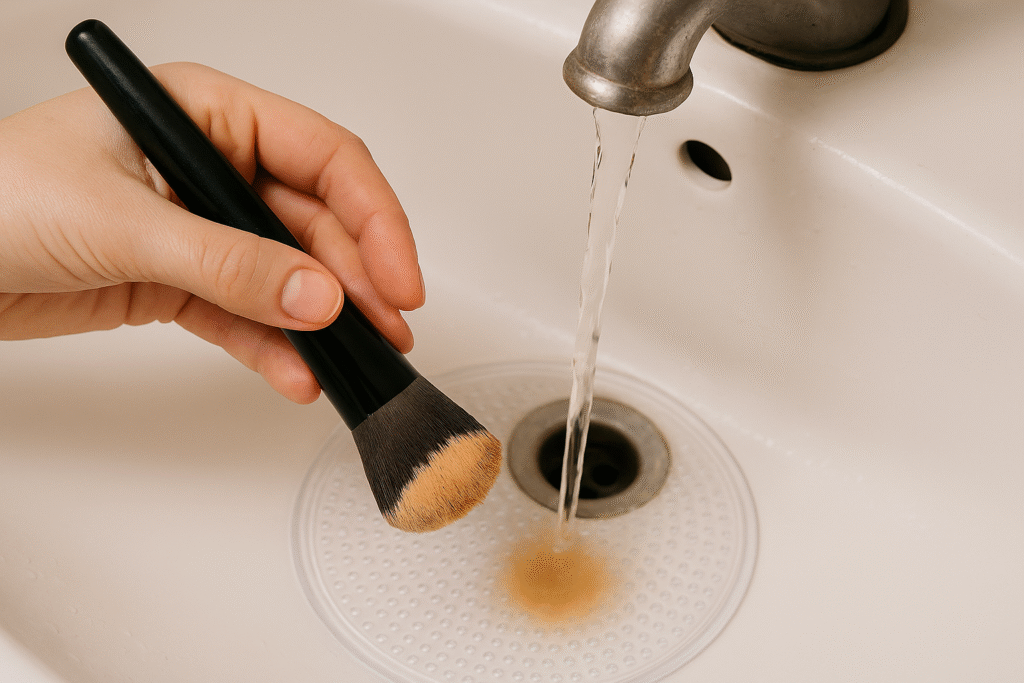
Your makeup brushes are breeding grounds for bacteria if not cleaned regularly. Aim to clean them weekly with a gentle brush cleanser or baby shampoo. For quick daily maintenance, use a brush cleaning spray between uses.
2. Layering Incompatible Products
Mixing oil-based and water-based products can cause pilling and reduce the effectiveness of both. Stick to one formula type or use a primer designed to bridge the gap.
3. The "More is More" Mentality
Heavy, full-coverage application can clog pores and look cakey. Instead, build coverage gradually in thin layers, focusing only on areas that need it.
4. Ignoring Expiration Dates
Makeup without parabens often has shorter shelf lives. Liquid products should be replaced every 6-12 months, while powders can last up to two years if stored properly.
5. Skipping the Patch Test
New products should always be tested on a small area of skin before full application. The inside of your wrist or behind your ear are ideal testing spots.
6. Using Makeup as Skincare
While skincare-infused makeup can provide benefits, it shouldn’t replace your actual skincare routine. Always start with clean, moisturized skin.
7. Sleeping in Your Makeup
This should go without saying, but makeup left on overnight is a surefire way to clog pores and cause irritation. Invest in a gentle makeup remover and use it religiously.
Expert Tips: Building a Makeup Routine That Soothes, Not Stresses, Your Skin
Creating a dermatologist recommended makeup routine is about more than just product selection—it’s about technique, timing, and listening to your skin’s needs.
Your Gentle Morning Routine
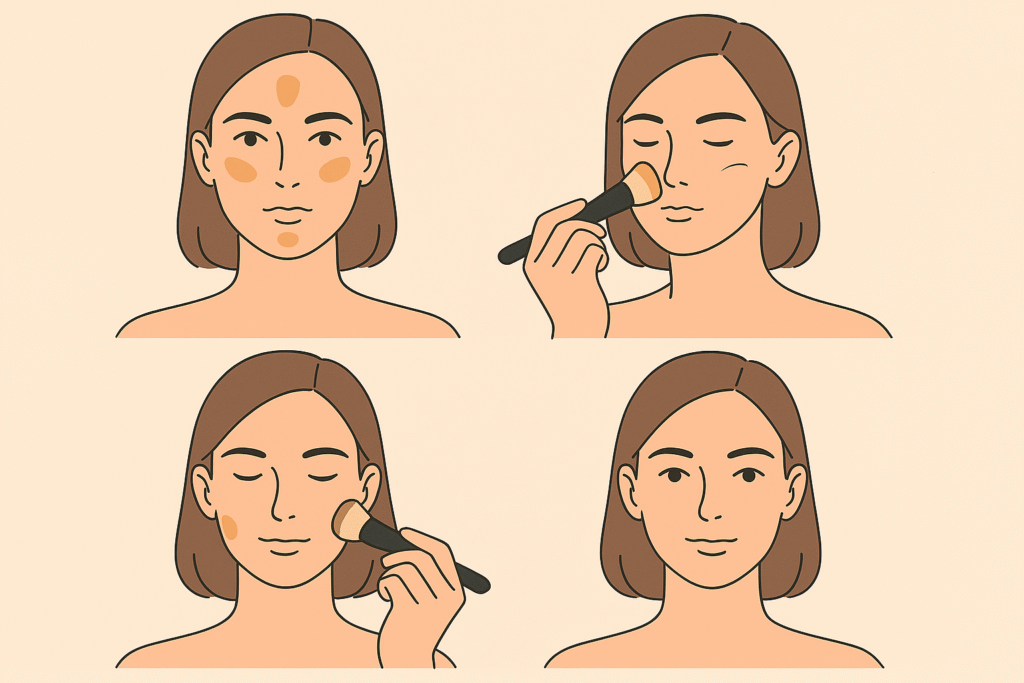
Step 1: Prime Time Start with a fragrance-free makeup primer designed for sensitive skin. Look for silicone-free options if you’re prone to clogged pores.
Step 2: Foundation Strategy Apply foundation with clean hands or a damp beauty sponge rather than brushes, which can be more irritating. Use pressing motions instead of rubbing.
Step 3: Spot Conceal Only Resist the urge to conceal your entire face. Target only specific areas that need coverage to avoid overwhelming your skin.
Step 4: Set Lightly Use a minimal amount of translucent powder only in your T-zone if needed. Over-powdering can emphasize dry patches and irritation.
The Less-is-More Philosophy
Some days, your skin might need a break from makeup entirely. Consider these alternatives:
- Tinted moisturizer with SPF instead of foundation
- Cream blush that doubles as lip color
- Clear or tinted lip balm instead of lipstick
- Mascara as your only eye makeup
Evening Wind-Down
Remove makeup gently with micellar water or cleansing oil, followed by your regular skincare routine. Never scrub or use harsh makeup wipes.
FAQs: Makeup and Sensitive/Acne-Prone Skin
Can I wear makeup if I have active breakouts?
Absolutely! The key is choosing non-comedogenic makeup with active ingredients like salicylic acid or niacinamide that can actually help treat breakouts while providing coverage. Avoid heavy, oil-based formulas that might exacerbate the situation.
Is mineral makeup always better for sensitive skin?
While mineral makeup is often gentler, it’s not automatically the best choice for everyone. Some people react to common mineral ingredients like bismuth oxychloride. The key is finding formulas that work for your specific sensitivities.
What does “non-comedogenic” actually guarantee?
Unfortunately, there’s no standardized testing for non-comedogenic claims, so results can vary. It’s more of a guideline than a guarantee. Look for brands that conduct their own comedogenicity testing and have good track records with sensitive skin.
How often should I replace my makeup?
Makeup without parabens typically has shorter shelf lives. Replace mascara every 3 months, liquid foundations every 6-12 months, and powder products every 1-2 years. Trust your nose—if something smells off, toss it.
Should I avoid all foundation if I have rosacea?
Not necessarily, but you should be extra careful about ingredients. Look for hypoallergenic foundation with zinc oxide, avoid products with alcohol or strong fragrances, and consider green-tinted primers to neutralize redness before applying foundation.
Can makeup actually improve my skin over time?
Modern skincare-infused makeup can provide benefits like sun protection, hydration, and anti-inflammatory effects. However, makeup should complement, not replace, a proper skincare routine.
Final Thoughts + Recommended Brands Roundup
Finding the right makeup for sensitive and acne-prone skin doesn’t have to be a guessing game. By understanding ingredients, avoiding common triggers, and choosing products from reputable brands, you can create a routine that enhances your natural beauty without compromising your skin’s health.
Always-Safe Brand Recommendations
- ILIA: Clean, minimal ingredients with skincare benefits
- bareMinerals: The original mineral makeup with proven track record
- Almay: Hypoallergenic formulas tested for sensitive skin
- Tower 28: Created specifically for sensitive, reactive skin
- Clinique: Allergy-tested and fragrance-free options
- La Roche-Posay: Dermatologist-recommended with thermal spring water
- Neutrogena: Accessible drugstore options with active ingredients
Remember, what works for your sensitive-skinned friend might not work for you. Patch testing and gradual introduction of new products is key to building a successful routine.
Ready to transform your makeup routine? Start by choosing one new product from our recommendations and introducing it slowly. Your skin will thank you for the patience and care.