Jolieva, Glow & Grace

Comparing the Best Natural Oils for Skin and Hair

Why Natural Oils Are a Beauty Staple Again

Ever bought an oil that promised a “glow,” only to leave your skin greasy—or somehow still dry? Yeah, same. 😅 That frustration is exactly why natural oils for skin and hair are having a serious comeback moment. When chosen correctly, they’re not just trendy—they’re multitasking powerhouses for hair and skin nourishment, hydration, and long-term barrier support.
Unlike complicated 12-step routines, natural oils are refreshingly simple. They work with your skin and hair, not against them. The problem? Most people are using the wrong oil, at the wrong time, in the wrong way.
In this guide, I’ll break down how natural oils actually work, compare popular options like argan oil vs jojoba oil, explain coconut oil benefits (and when to skip it), and help you find the best match for your skin and hair type—without the guesswork.

1. How Natural Oils Actually Work on Skin and Hair

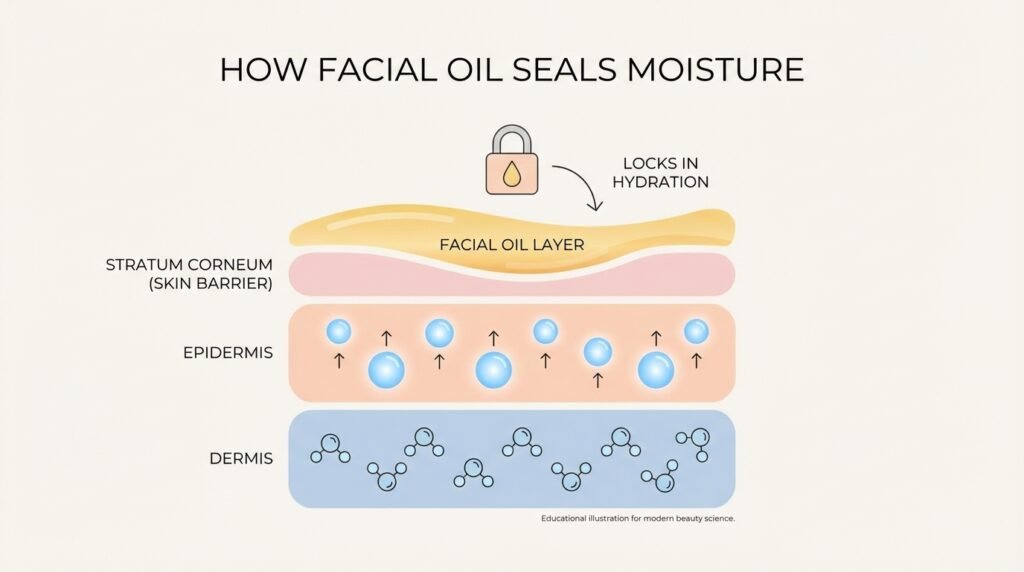
Here’s a myth worth busting early: oils don’t technically add moisture. Instead, they seal moisture in and deliver nutrients that support repair and softness.
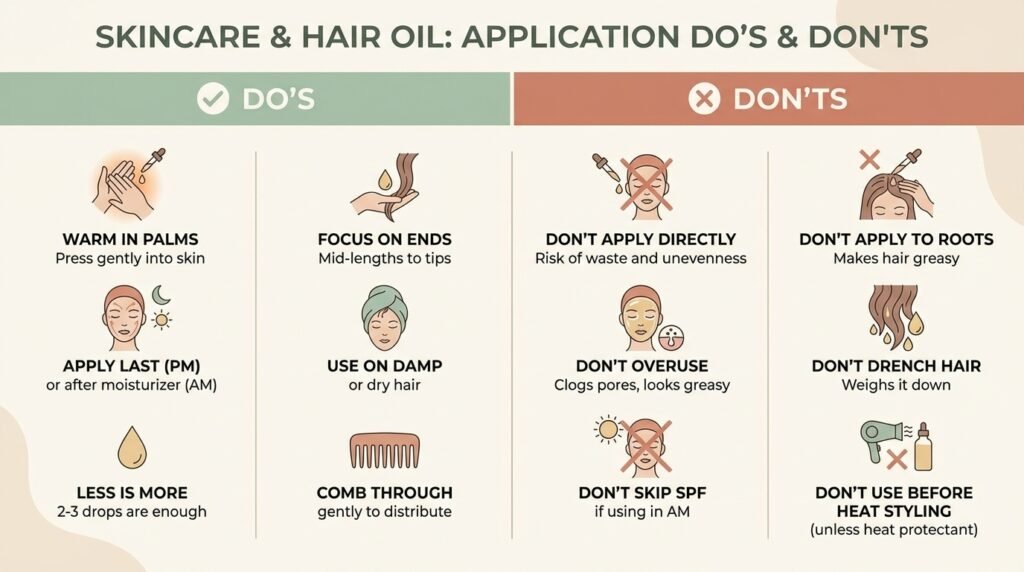
Think of moisturizing oils like a cozy jacket—they lock in hydration you already have. That’s why oils work best on slightly damp skin or hair.
There are two main roles oils play:

  • Occlusive: Seal in water and prevent moisture loss
  • Nourishing: Deliver fatty acids, antioxidants, and vitamins for long-term hair and skin nourishment

For example, applying a lightweight oil to damp skin after cleansing can dramatically improve softness—while applying the same oil to bone-dry skin may feel useless or greasy.


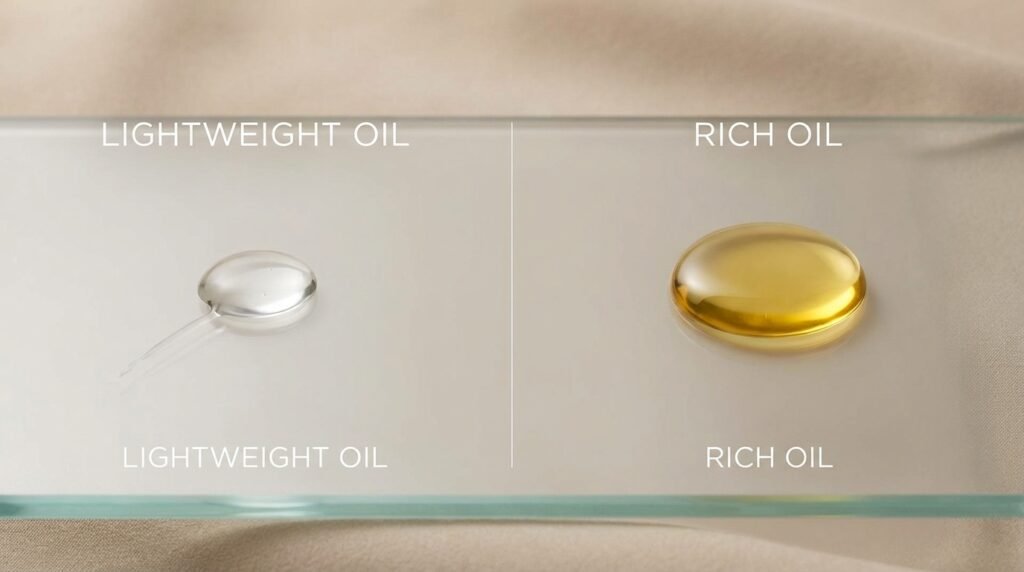
2. Lightweight vs Rich Oils: Which Do You Need?

Most bad oil experiences come down to one thing: texture mismatch.

Lightweight oils are best if you have:

  • Oily or acne-prone skin
  • Fine or low-porosity hair
  • Humid climates
  • A preference for fast absorption

Rich oils work better if you have:

  • Dry or mature skin
  • Thick, curly, or coarse hair
  • High-porosity hair
  • Cold or dry environments

Choosing the right category of natural oils for skin makes the difference between “why did I do this?” and “wow, my skin loves this.”

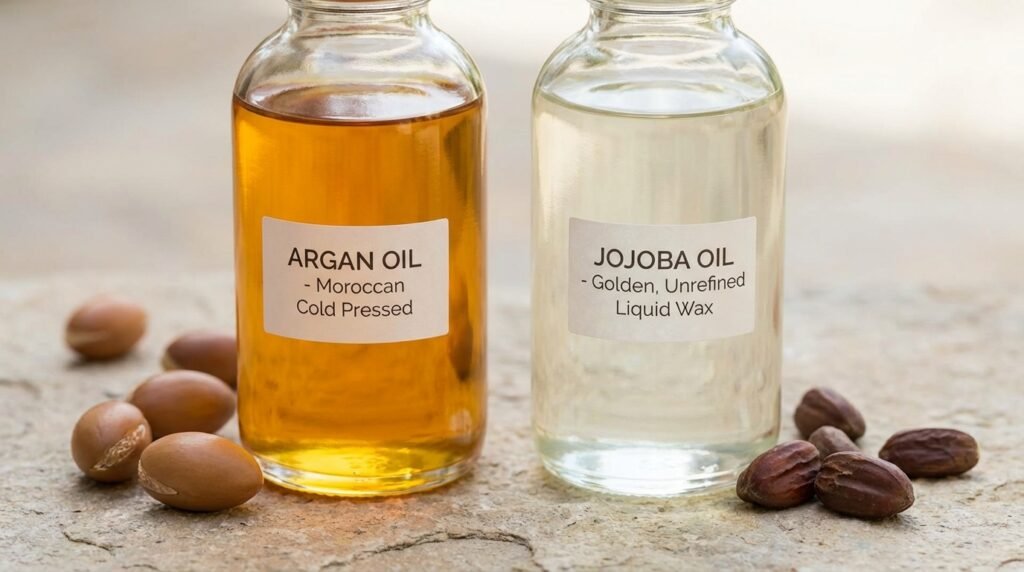
3. Argan Oil vs Jojoba Oil: Which Is Better for You?

These two oils are often mentioned in the same breath—but they shine in very different ways.

Argan Oil vs Jojoba Oil Comparison

Feature Argan Oil Jojoba Oil
Texture
Medium, silky
Ultra-light, wax ester
Absorption
Moderate
Very fast
Best For
Dry skin, damaged hair
Oily or acne-prone skin
Nutrients
Vitamin E, omega fatty acids
Mimics natural sebum
Use Case
Shine, repair, smoothing
Balancing, calming

Argan oil is ideal if your hair feels brittle or your skin needs extra nourishment. Jojoba oil, technically a wax, is incredible for regulating oil production and calming breakouts—making it a standout among organic hair oils and facial oils alike.


4. Coconut Oil Benefits—and When to Avoid It

Let’s talk about the most polarizing oil in beauty.


Coconut oil benefits:

  • Excellent for hair strength and shine
  • Penetrates the hair shaft (great for protein loss)
  • Supports scalp conditioning
  • Popular among the best oils for hair growth routines

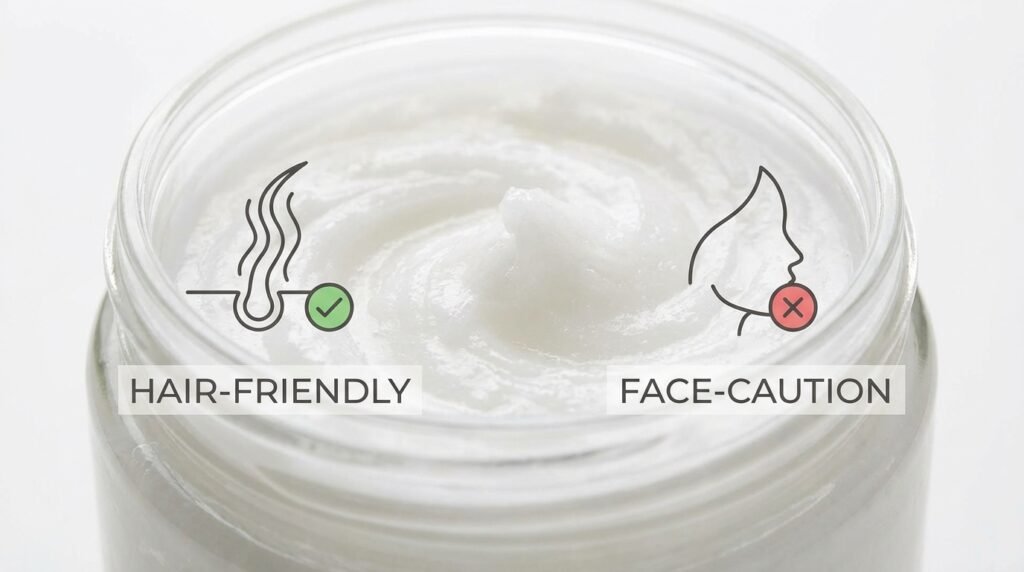
But here’s the catch: coconut oil is highly comedogenic for many skin types. On the face, it can clog pores and trigger breakouts—especially if you’re acne-prone.
Common mistake: Using coconut oil on low-porosity hair too often, leading to buildup and dryness.
Bottom line? Coconut oil is a hair hero—but a facial oil gamble.


5. The Best Oils for Hair Growth and Scalp Health

Let’s be clear: oils don’t magically grow hair overnight. What they do is create the conditions for growth by improving scalp health, circulation, and breakage prevention.

Best oils for hair growth:

  1. Castor Oil – Thick, rich, and great for sealing ends
  2. Rosemary Oil – Stimulates circulation (always dilute)
  3. Argan Oil – Strengthens strands and prevents breakage
  4. Jojoba Oil – Balances scalp oil production
  5. Pumpkin Seed Oil – Supports density and thickness

How to use:
Massage oil into the scalp 2–3 times per week for 5 minutes. Dilute essential oils properly. Consistency > quantity.

6. Essential Oils for Skin: Benefits, Safety, and Blending

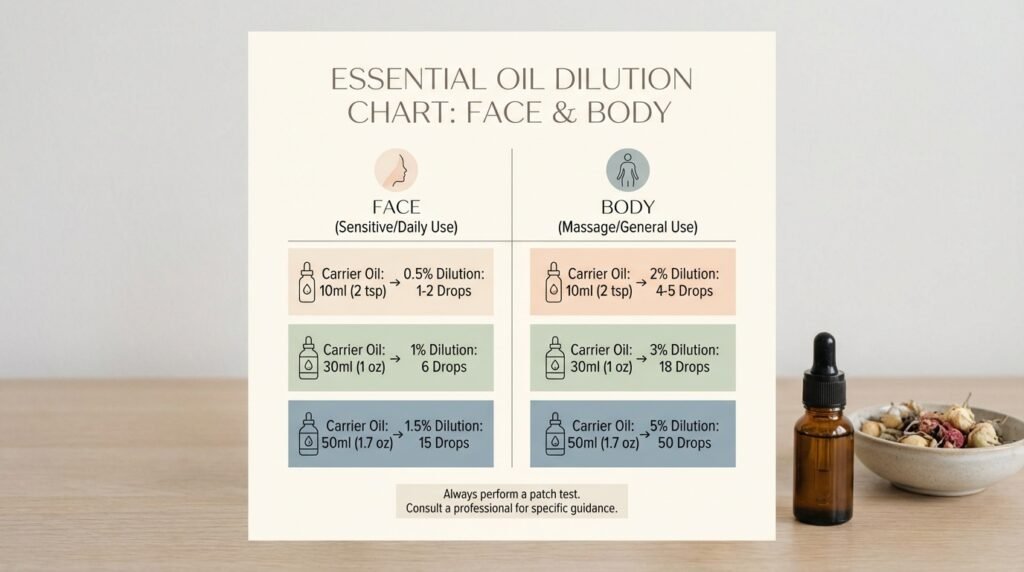
Essential oils for skin are potent—powerful enough to help, and powerful enough to harm if misused.

Safety rule of thumb:

  • Face: 0.5–1% dilution
  • Body: 1–2% dilution
  • Always mix with a carrier oil (jojoba, argan, squalane)

Popular choices include lavender (calming), tea tree (clarifying), and frankincense (supportive for aging skin). If your skin is sensitive, patch test every time.
This is where oil blends for beauty really shine—balanced formulas remove the guesswork.

7. Single Oils vs Oil Blends: What Works Better?

Single oils:

  • Customizable
  • Great for ingredient purists
  • Require more knowledge

Oil blends:

  • Balanced formulations
  • Convenient and beginner-friendly
  • Combine multiple moisturizing oils and actives

Well-made blends can outperform single oils by targeting multiple concerns at once—especially when using organic hair oils designed for scalp and strand health.

8. Common Mistakes People Make with Natural Oils

Quick reality check—most oil “fails” aren’t the oil’s fault.
Common mistakes:

  • Using too much
  • Applying on dry skin or hair
  • Choosing the wrong oil for your skin type
  • Skipping dilution with essential oils
  • Expecting instant results

Fix the technique, and suddenly natural oils for skin make a lot more sense.

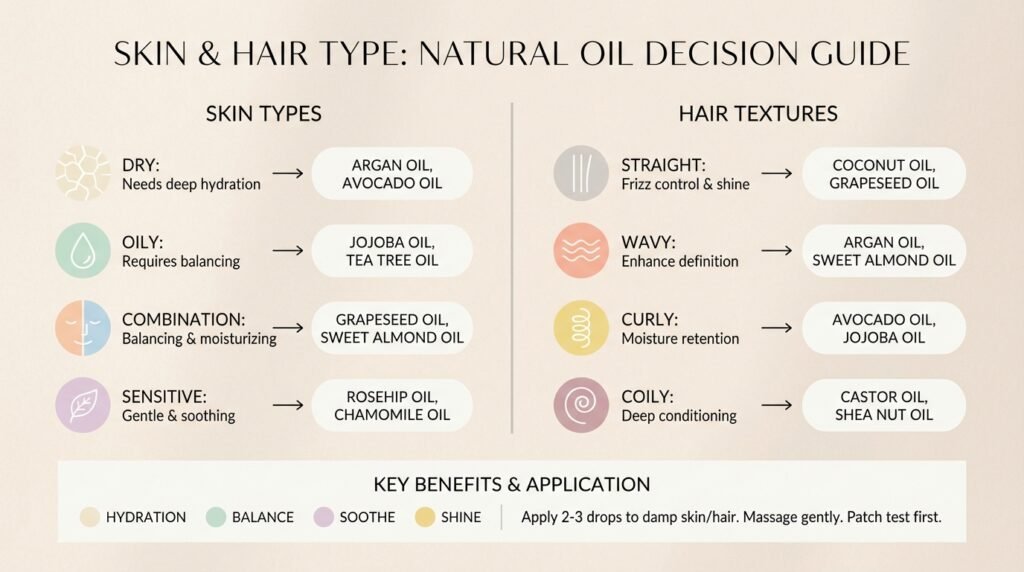
9. How to Choose the Right Oil for Your Skin and Hair Type

If you want this simple, try this:

  • If your skin is oily or acne-prone: jojoba, squalane
  • If your skin is dry: argan, marula
  • If your hair is fine: lightweight oils only
  • If your hair is curly or coily: richer oils or blends
  • If you live in a humid climate: lighter textures win

The “best” oil is the one that fits your routine, not someone else’s shelf.

FAQs About Natural Oils for Skin and Hair

Are natural oils good for acne-prone skin?
Yes—if you choose lightweight, non-comedogenic oils like jojoba.
Can essential oils be used directly on skin?
No. Always dilute essential oils with a carrier oil.
What are the real coconut oil benefits for hair?
It reduces protein loss and strengthens strands—but isn’t ideal for all hair types.
Do oils help with hair growth?
They support scalp health and reduce breakage, which helps retain growth.
Can I mix oils myself?
Absolutely—just follow proper dilution and storage rules.

The Best Oil Is the One You’ll Actually Use

There’s no universal “best” when it comes to natural oils for skin and hair—only the best match for you. Once you understand texture, purpose, and application, oils become less confusing and way more effective.
Start simple. Stay consistent. And remember: real hair and skin nourishment comes from habits, not hype.
👉 Save this guide, explore well-formulated blends, or drop a comment with your skin or hair type—I’d love to help you narrow it down.

Leave a Comment

Your email address will not be published. Required fields are marked *