
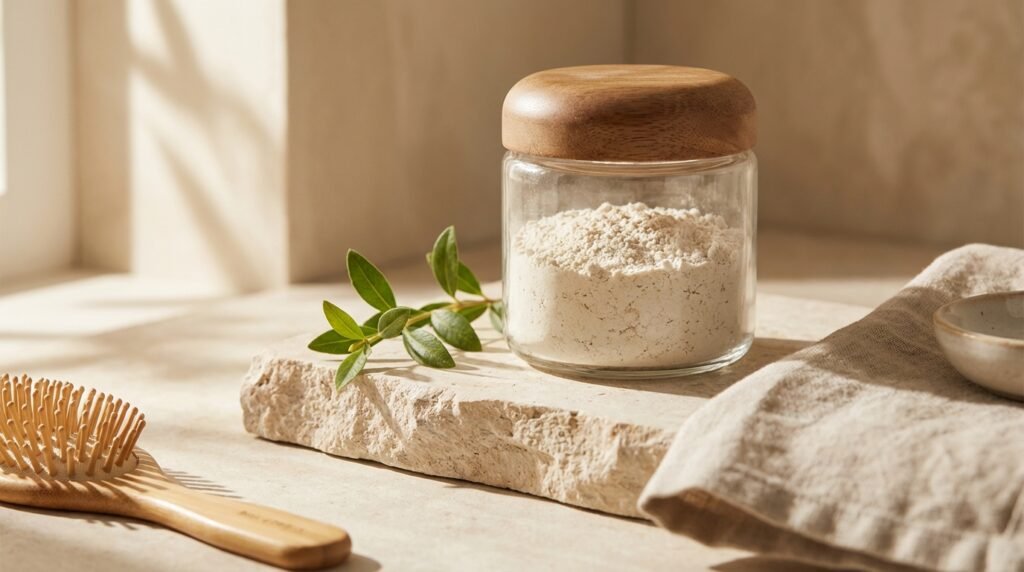
The Rise of Eco-Friendly Dry Shampoo
You know the moment. It’s day two (or three  ) hair, you’re already running late, and a full wash just isn’t happening. You reach for dry shampoo—because of course you do. It’s the unsung hero of busy mornings. But lately, a lot of people are pausing mid-spritz and asking: Is this stuff actually good for me… or the planet?
That question is fueling the rise of eco friendly dry shampoo options, especially non-aerosol formulas designed for zero waste hair care routines. As concerns about aerosol waste, scalp health, and ingredient buildup grow, so does curiosity around powder-based alternatives. But are non-aerosol dry shampoos genuinely better—or just another greenwashed beauty trend?
Let’s break it all down so you can decide what’s actually worth switching for your hair.

Why Traditional Aerosol Dry Shampoos Are Being Questioned
Aerosol dry shampoos didn’t become popular by accident—they’re fast, effective, and easy. But convenience comes with trade-offs, and more consumers are starting to notice them.
Here’s why aerosol formulas are under scrutiny:
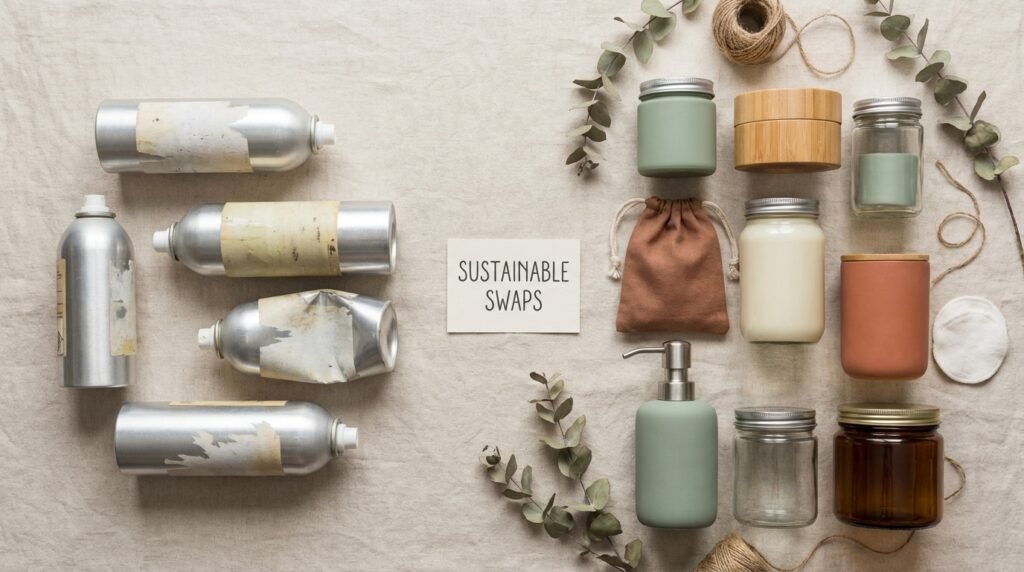
- Environmental impact: Aerosol cans often use propellants and mixed materials that are difficult to recycle properly.
- Inhalation concerns: Fine sprays can be breathed in during application, especially in small bathrooms.
- Scalp buildup: Repeated use can lead to residue accumulation, which may leave hair feeling dull or itchy over time.
This has sparked interest in the powder vs aerosol dry shampoo debate, especially among people seeking a more scalp friendly dry shampoo that aligns with cleaner beauty and sustainability goals. The shift isn’t about fear—it’s about awareness and better options.
What Is a Non-Aerosol Dry Shampoo, Exactly?
A non aerosol dry shampoo skips pressurized spray cans entirely. Instead of propellants, these formulas rely on absorbent powders or manual pumps to soak up oil at the roots.
Common non-aerosol formats include:
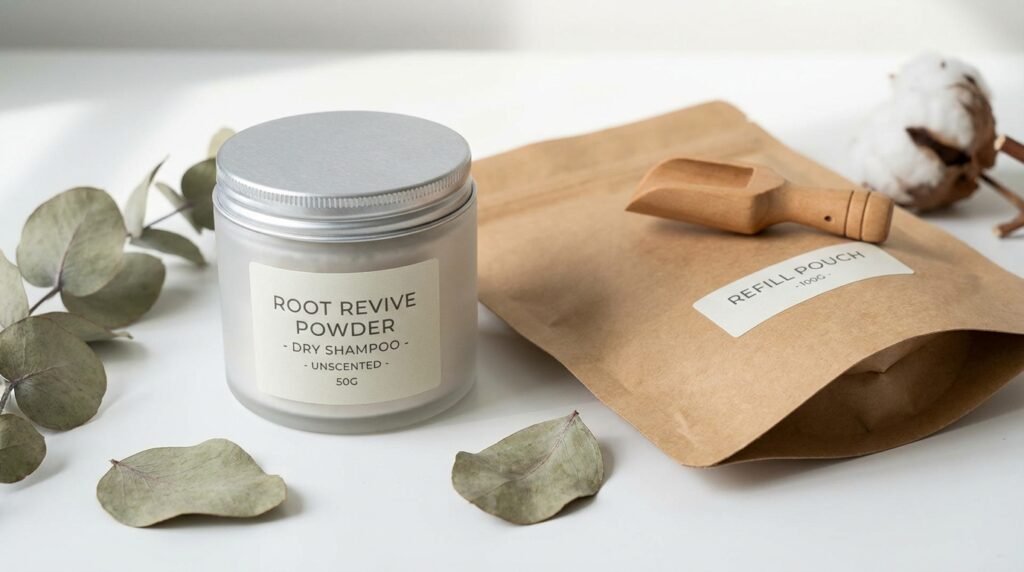
- Loose powder: Applied directly to the scalp using a shaker or brush
- Pump bottle spray: A controlled, air-powered mist (no gas involved)
- Refillable systems: Designed to reduce packaging waste long-term
Most of these qualify as eco friendly dry shampoo options because they use simpler formulas and more sustainable packaging. They’re especially popular with people transitioning toward low-waste or minimalist hair care routines.
Powder vs. Aerosol Dry Shampoo: Key Differences
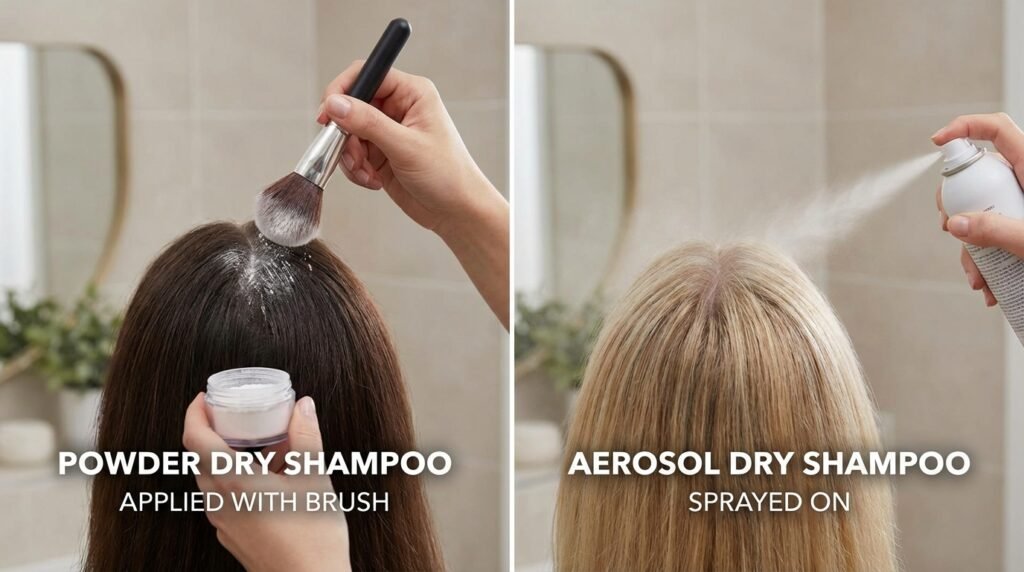
If you’re deciding between sticking with aerosol or switching to powder, this side-by-side comparison helps clarify things.
| Feature | Powder Dry Shampoo | Aerosol Dry Shampoo |
|---|---|---|
|
Application |
Targeted, manual
|
Fast, wide spray
|
|
Oil Control
|
Excellent (with practice)
|
Immediate |
|
Scalp Impact
|
Often gentler
|
Can cause buildup
|
|
Sustainability
|
Refillable, low waste
|
Single-use cans
|
|
Learning Curve
|
Moderate
|
Very easy
|
In the powder vs aerosol dry shampoo conversation, there’s no universal winner—just better matches for different lifestyles. Powder formulas tend to win on sustainability and scalp comfort, while aerosols still dominate for speed and ease.
Are Non-Aerosol Dry Shampoos Better for Your Scalp?
For many people, yes—when used correctly. Non-aerosol formulas often skip drying alcohols and propellants, which makes them appealing as a scalp friendly dry shampoo, especially if you deal with sensitivity or frequent itchiness.
Benefits may include:
- Less ingredient buildup over time
- Better compatibility with sensitive or flaky scalps
- More controlled application directly where oil appears
That said, “gentler” doesn’t mean “use endlessly.” Any dry shampoo—powder or aerosol—works best when used strategically, not as a permanent replacement for washing.

Best Non-Aerosol Dry Shampoo Options: What to Look For
Instead of chasing hype, focus on formulation and design. The best non aerosol dry shampoo options usually share a few key traits.
Ingredient checklist:
- Plant-based starches (rice, tapioca, arrowroot)
- Lightweight clays (kaolin, bentonite) for oil absorption
- Minimal fragrance or essential oils
Packaging clues:
- Refillable containers
- Glass, aluminum, or cardboard components
- Clear labeling around sustainability claims
Texture matters:
- Finely milled powders blend more easily
- Avoid gritty or overly chalky formulas
This is a natural place to compare products or formats.

Dry Shampoo for Fine Hair: Are Eco-Friendly Options Effective?
If you have fine hair, you’re probably skeptical—and fairly so. The good news? Dry shampoo for fine hair can absolutely work in powder form, but technique is everything.
Tips that make all the difference:
- Use less than you think you need
- Apply only at the roots, not mid-lengths
- Let it sit for 30–60 seconds before blending
A well-formulated non aerosol dry shampoo can add grip and freshness without flattening fine strands—often better than heavy aerosol sprays.
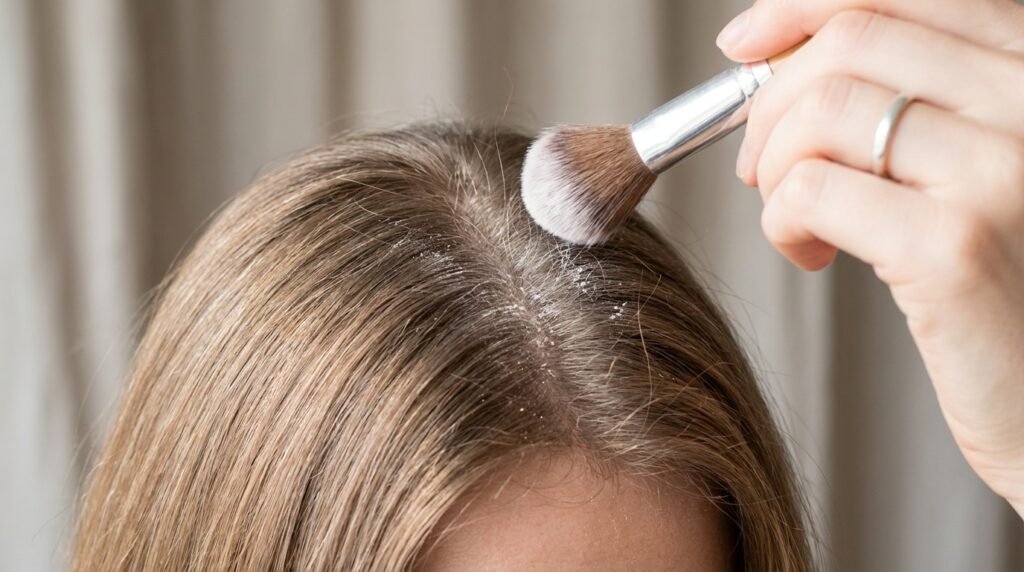
Common Mistakes People Make with Powder Dry Shampoo
Powder formulas get a bad reputation mostly because of user error. If it didn’t work for you before, one of these might be why:
- Using too much product → leads to chalky residue
- Not distributing evenly → concentrated patches look dull
- Brushing immediately → doesn’t give oil time to absorb
The fix? Apply lightly, wait a moment, then massage or brush through. Done right, powder formulas can be some of the most scalp friendly dry shampoo options out there.
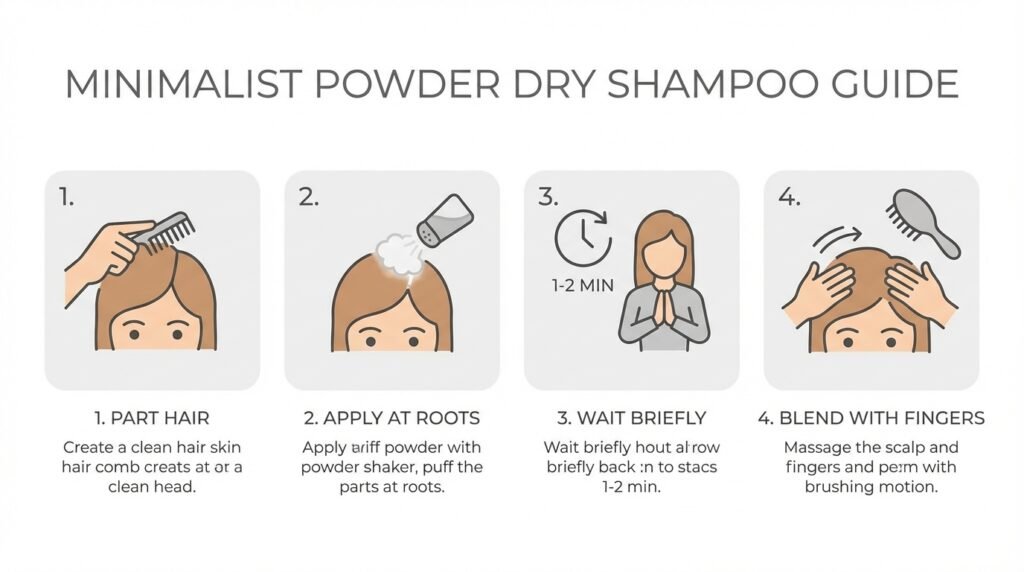
Is Non-Aerosol Dry Shampoo Truly Zero Waste?
Short answer: sometimes. Not all “green” products are created equal.
For zero waste hair care, look beyond marketing language and check:
- Is the container refillable or reusable?
- Are materials recyclable in your local system?
- How long does one product actually last?
Many powder formulas last significantly longer than aerosols, which means fewer purchases and less waste over time. Sustainability is cumulative—it’s about progress, not perfection.

Who Should Switch to a Non-Aerosol Dry Shampoo—and Who Might Not
You’ll likely love the switch if you:
- Care about sustainability and packaging waste
- Have a sensitive or buildup-prone scalp
- Prefer controlled, targeted application
You might stick with aerosol if you:
- Need ultra-fast application every morning
- Share products in a household
- Don’t want any learning curve
Being honest about fit builds trust—and saves you money and frustration.

Final Verdict: Are Non-Aerosol and Eco-Friendly Dry Shampoos Worth It?
For many people, yes—with the right expectations. Eco friendly dry shampoo options offer real benefits: less waste, gentler formulas, and better long-term scalp comfort. But they reward patience and technique.If you’re willing to trade instant gratification for sustainability and scalp health, non aerosol dry shampoo is more than worth exploring. It’s not hype—it’s a smarter swap for the right user.
Conclusion
Small swaps matter more than we think. Choosing a best non aerosol dry shampoo that fits your hair type is one easy step toward zero waste hair care—without sacrificing style or confidence.Have you tried a powder dry shampoo before? Loved it, hated it, still unsure? Drop a comment, share your experience, or explore more eco-friendly beauty swaps next. Your hair—and the planet—will thank you.
Optional FAQ Section
Does powder dry shampoo leave residue?It can if overused, but finely milled powders blend invisibly when applied sparingly.
Is non-aerosol dry shampoo safe for daily use?
Occasional use is best. Even the most scalp friendly dry shampoo shouldn’t fully replace washing long-term.
Powder vs aerosol dry shampoo—which lasts longer?
Powder formulas typically last much longer per unit, making them more cost-effective over time.