Jolieva, Glow & Grace

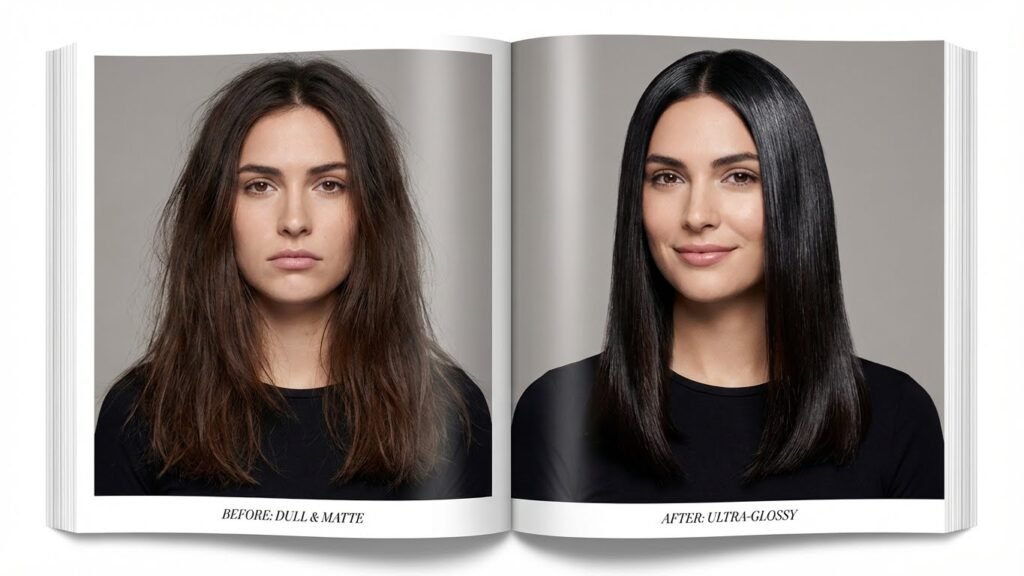
2026 Glossy Hair Guide: How to Get the “Glass Hair” Look at Home


Why “Glass Hair” Is Still Everywhere in 2026

Let me guess—you’ve tried everything: shine sprays, masks, expensive shampoos… and your hair still doesn’t look that glossy. Meanwhile, TikTok keeps serving you impossibly smooth, reflective strands that look more like glass than hair. 😩
That frustration is exactly why the glass hair trend hasn’t gone anywhere in 2026. It promises what most of us want: hair that looks healthy, expensive, and effortlessly polished—without living at the salon.
In this guide, I’ll break down how to make hair shiny at home in a way that actually works. No magic potions. No unrealistic routines. Just a smart, repeatable system for achieving high-gloss hair that lasts longer than a single Instagram photo.


What Is Glass Hair, Really? (And Why It Looks So Shiny)

At its core, glass hair isn’t about being pin-straight or stick-thin. It’s about light reflection.
Think of it this way:

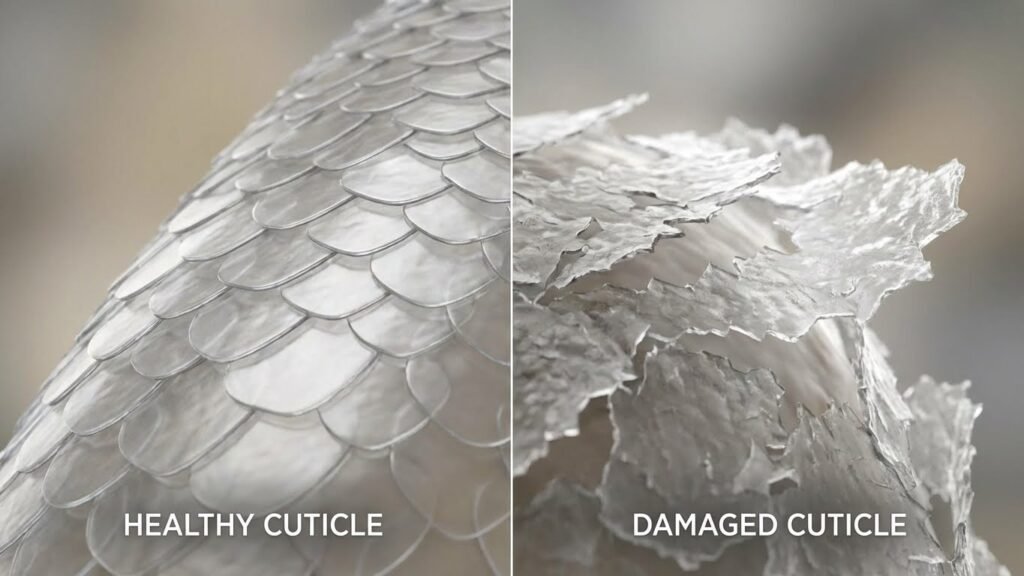
  • Smooth, aligned cuticles = mirror-like shine
  • Rough, lifted cuticles = dull, scattered light

Hair that reflects light evenly looks glossy, fluid, and “glassy.” Hair with damage, buildup, or dryness looks more like… sandpaper.
The glass hair trend works because it focuses on surface health—sealing the cuticle, balancing protein and moisture, and using techniques that enhance shine instead of frying it away. Once you understand that, learning how to make hair shiny becomes much more predictable.
Common Reasons Your Hair Looks Dull (Even If You Use “Good” Products)

Here’s the uncomfortable truth: shiny hair isn’t about owning better products—it’s about removing the things blocking shine.
Quick self-check:

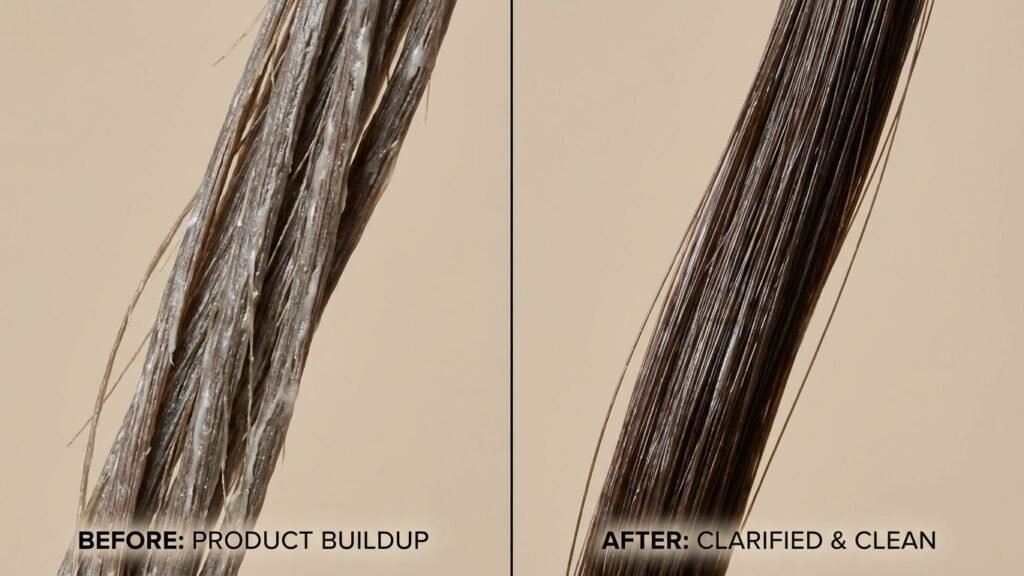
  • Product buildup: Dry shampoo, silicones, and oils can stack up and mute shine
  • Overwashing: Strips natural oils that smooth the cuticle
  • Heat damage: High heat lifts the cuticle permanently
  • Protein/moisture imbalance: Too much of either = stiffness or limpness

These are the most overlooked hair shine tips because they’re not glamorous—but fixing them is often the fastest way to see results.


The At-Home Glass Hair Routine (Step-by-Step)

This is where the magic happens. Bookmark this section—you’ll come back to it.

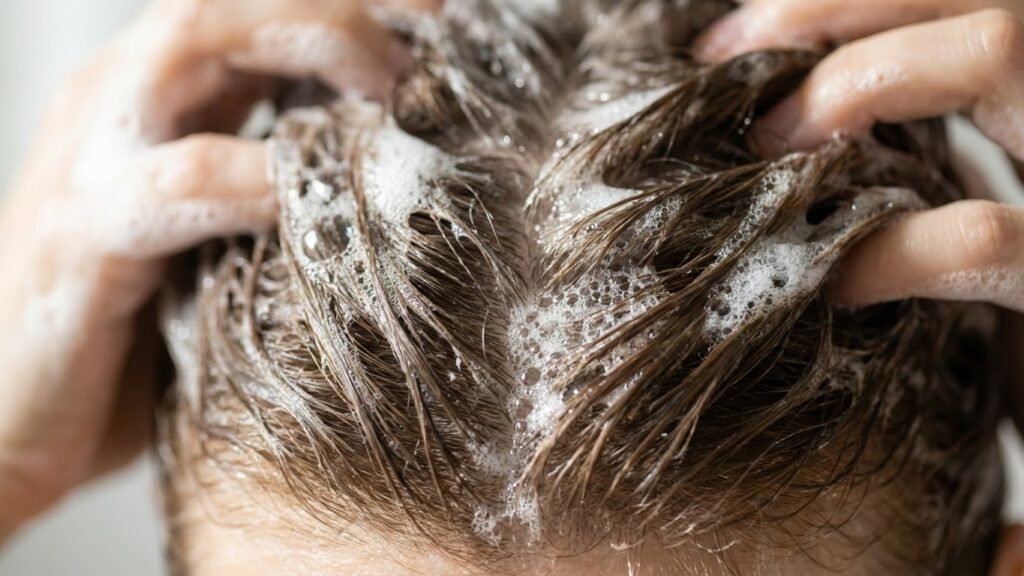
Step 1: Clarify Without Stripping

Purpose: Reset the hair surface so shine can actually show up.
Use a clarifying shampoo once every 1–2 weeks. This removes residue that dulls hair and blocks treatments from working.
Pro tip: Follow immediately with conditioner—clarifying doesn’t mean leaving hair naked.
One of the most underrated hair shine tips? Clean hair reflects light better.

Step 2: Use a Protein Treatment Strategically

Purpose: Strengthen the hair shaft for smoother reflection.
A protein treatment for hair helps fill in microscopic cracks caused by heat and color. That’s crucial for glassy shine.
How often?

  • Fine or damaged hair: every 2–3 weeks
  • Thick or coarse hair: monthly

Too much protein = stiffness. Balance matters.

(Shop a lightweight protein treatment for stronger, shinier hair)

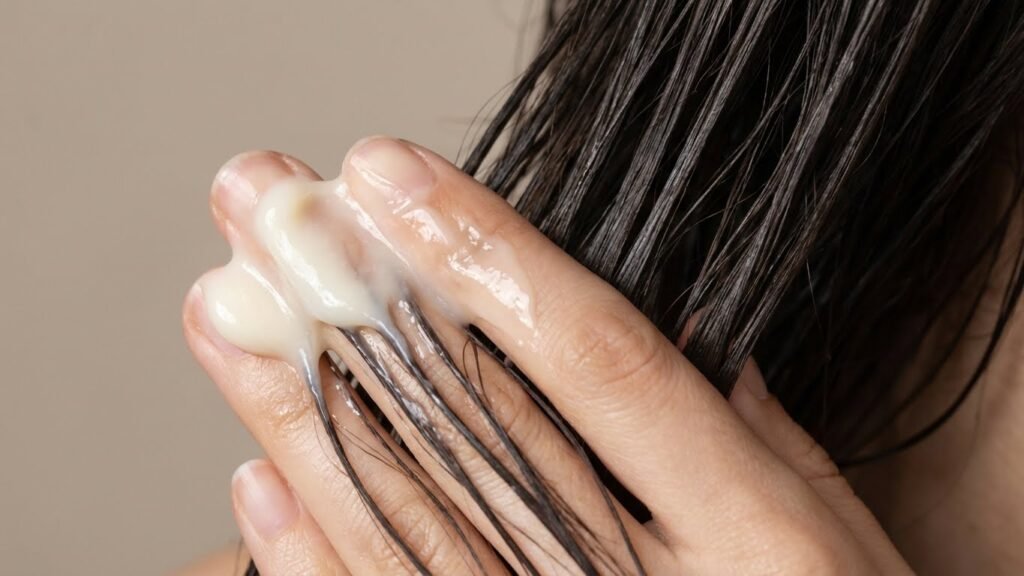
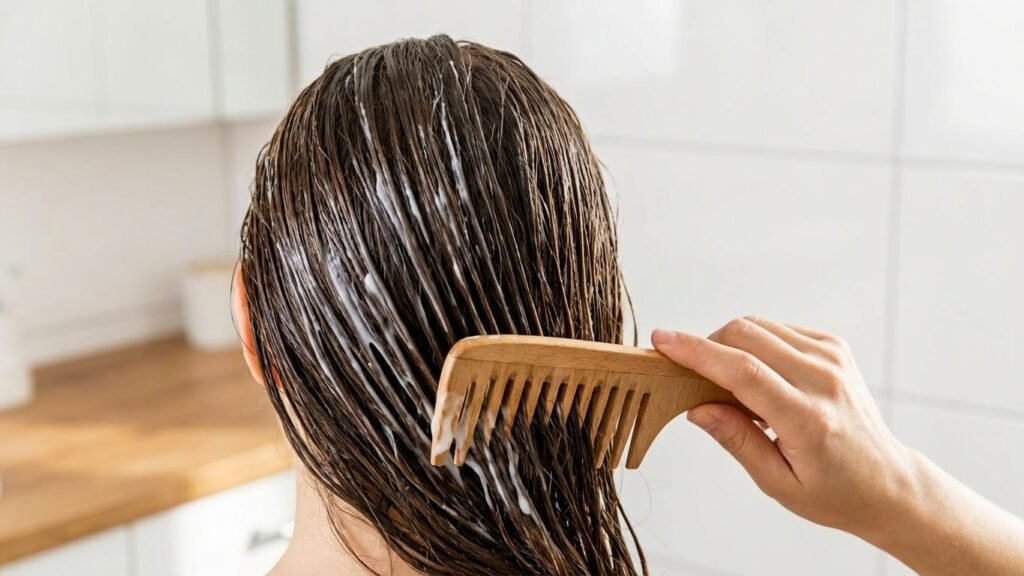
Step 3: Seal with Moisture

Purpose: Smooth and flatten the cuticle.
This is where conditioners, masks, and lightweight oils come in. Look for ingredients like glycerin, ceramides, or silicones (yes, really).
A glossy hair treatment at home isn’t heavy—it’s strategic. You want slip, not grease.

(Explore a smoothing conditioner designed to boost shine)

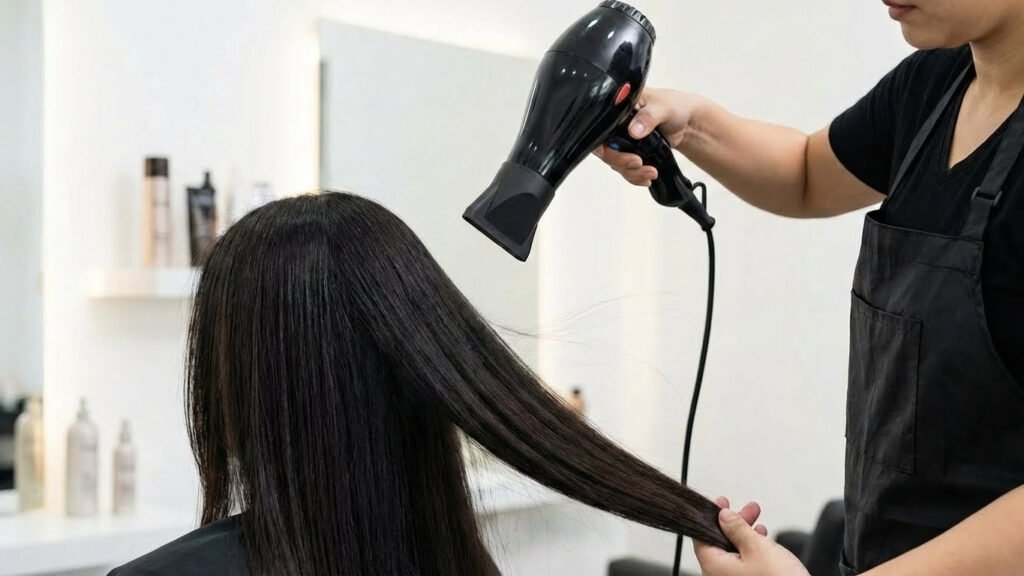
Step 4: Blow-Dry With Intention (Not Aggression)

Purpose: Lock in shine through technique, not temperature.
Use a nozzle, aim downward, and finish with a cool shot. Hair dries smoother when the cuticle is guided—not blasted.
Key takeaway: Technique > heat when learning how to make hair shiny.

Hair Glossing Products: The Secret Weapon for Instant Shine

If glass hair had a shortcut, this would be it.
Hair glossing products coat the hair shaft, enhance reflection, and temporarily improve tone—all without commitment.
Why people love them:

  • Instant shine boost
  • Zero lift or damage
  • Works on natural or color-treated hair

Clear glosses = pure shine
Tinted glosses = shine + tone refresh
Think of gloss as lip balm for your hair—subtle, smoothing, and surprisingly transformative.

(View a popular hair gloss that boosts shine without damage)

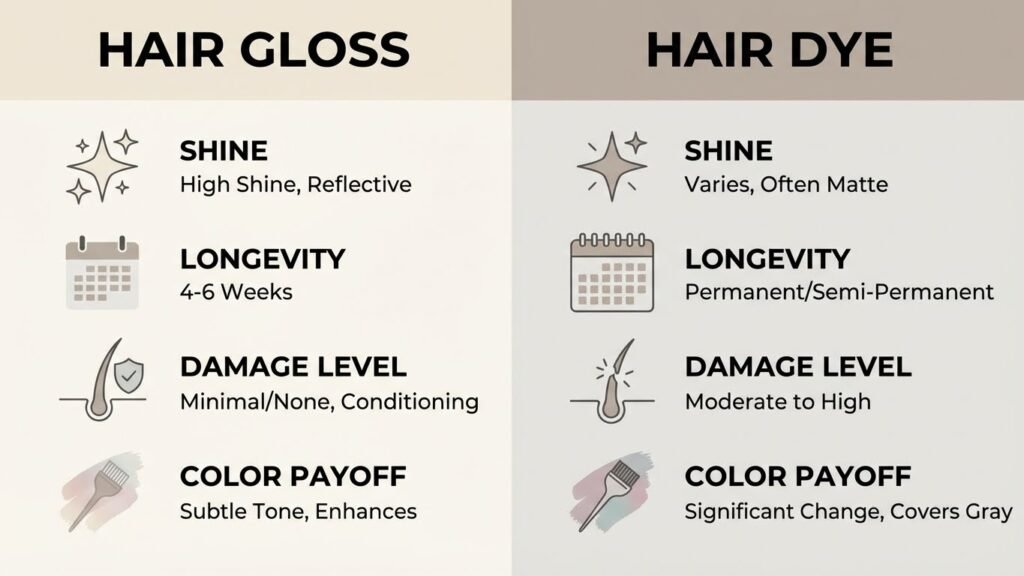
Hair Gloss vs. Hair Dye: What’s the Difference?

Let’s clear up the confusion.

Feature Hair Gloss Hair Dye
Longevity
1–3 weeks
4–8+ weeks
Damage
Minimal to none
Moderate
Color payoff
Subtle
Strong
Shine factor
Very high
Varies

If you want shine without commitment, hair gloss vs. hair dye isn’t even a contest.

Top Hair Shine Tips That Actually Make a Difference

These are the small tweaks that compound into big results:

  1. Skip the cold rinse myth – It’s technique, not temperature
  2. Use microfiber towels – Less friction, more shine
  3. Silicone isn’t evil – It’s a shine MVP when used correctly
  4. Sleep on silk or satin – Cotton steals moisture
  5. Trim regularly – Split ends scatter light

Master these hair shine tips, and your routine starts working for you.

FAQs: Glass Hair at Home

Can fine hair achieve glass hair?
Absolutely. Lightweight products and proper blow-drying matter more than thickness.
How often should I use a protein treatment for hair?
Every 2–4 weeks, depending on damage and hair type.
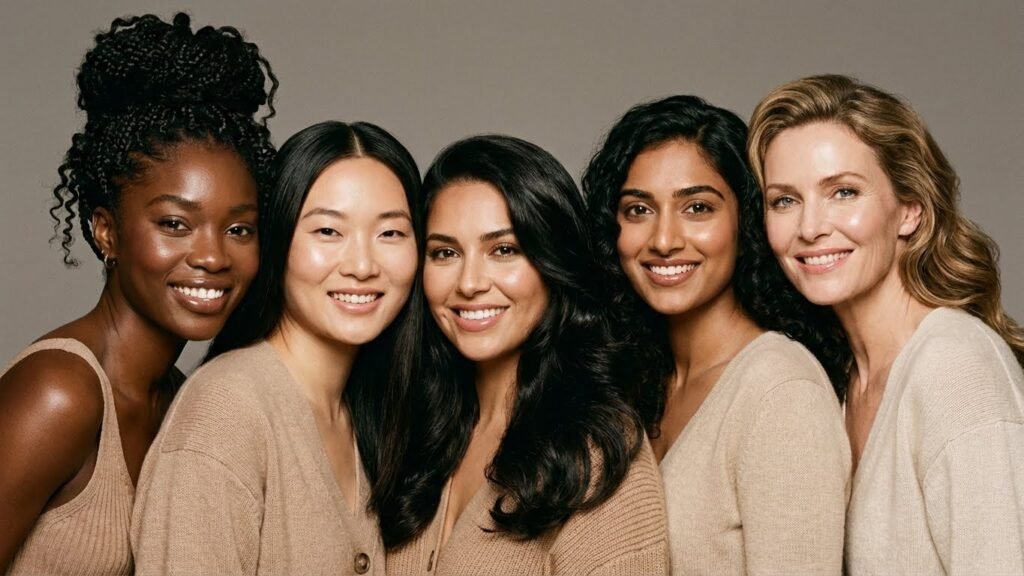
Does glass hair work on curly or textured hair?
Yes—glass hair means shine, not straightness. Defined curls can absolutely reflect light.
How long do hair glossing products last?
Typically 1–3 weeks, depending on washing frequency.

Conclusion: Glass Hair Is a System, Not a Miracle Product

Here’s the real secret: glassy hair isn’t created—it’s maintained. When you focus on cleansing properly, balancing protein and moisture, and sealing the cuticle, shine becomes inevitable.
A glossy hair treatment at home doesn’t require perfection—just consistency. Start with one change this week. Your hair will show it.

Leave a Comment

Your email address will not be published. Required fields are marked *