
Why Exfoliation Matters in Skincare
Picture this: you’ve tried every serum, moisturizer, and miracle cream on the market, yet your skin still looks dull and feels rough. Here’s the plot twist—you might be missing the most important step in your skincare routine. Exfoliation isn’t just another trendy skincare term; it’s the secret weapon that can transform your complexion from lackluster to luminous.
Think of your skin like a canvas. No matter how expensive your paint (read: serums and moisturizers), if the surface is bumpy and uneven, the final masterpiece won’t shine. Exfoliation smooths that canvas by removing dead skin cells that naturally accumulate on your skin’s surface, promoting healthy cell turnover, unclogging pores, and creating that coveted smooth texture we all crave.
But here’s where it gets interesting—and where most people stumble. There are two main camps in the exfoliation world: physical exfoliants (think scrubs and brushes) and chemical exfoliants (acids that dissolve dead skin). Choosing the wrong type for your skin can leave you irritated, broken out, or worse—with a damaged skin barrier.
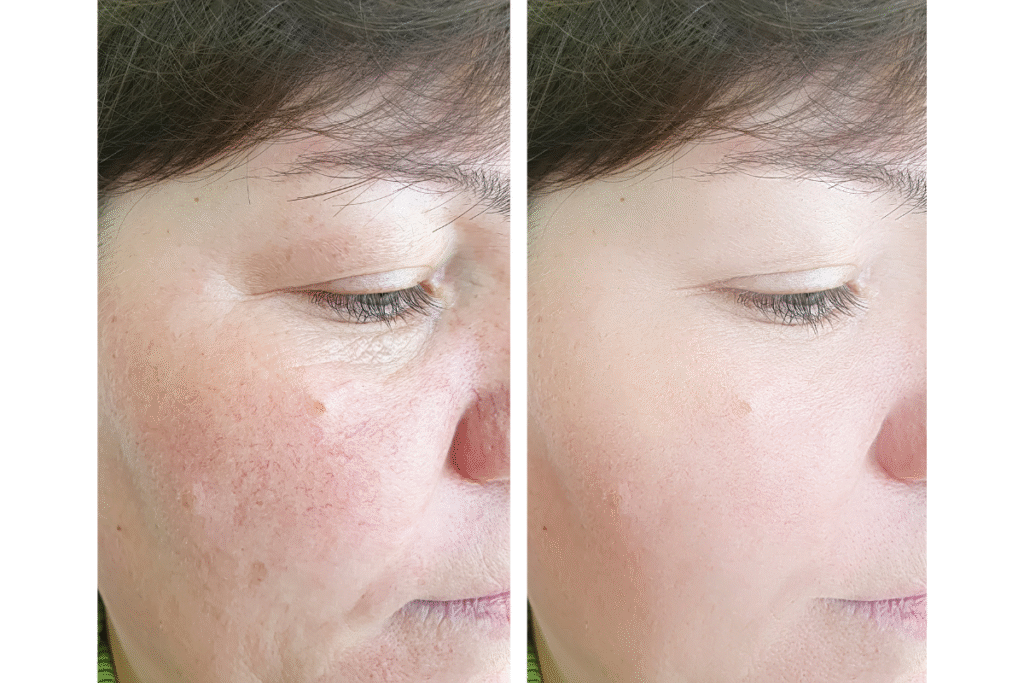
As dermatologist Dr. Hadley King notes, “The key to effective exfoliation isn’t how often you do it, but how well you match the method to your skin’s unique needs.” Ready to decode which team you should join? Let’s dive deep into the science, benefits, and potential pitfalls of each approach.
The Science Behind Exfoliation: What It Actually Does to Your Skin
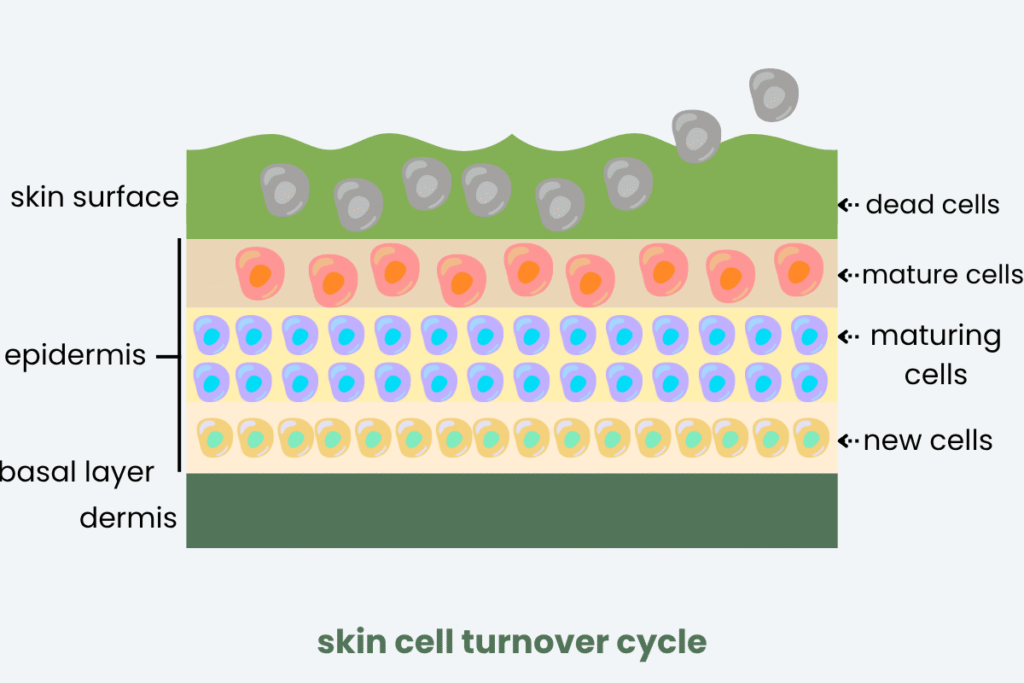
Your skin is constantly working behind the scenes, following a roughly 28-day renewal cycle where new cells are born in the deeper layers and gradually make their way to the surface. In a perfect world, these dead cells would slough off naturally, revealing fresh, glowing skin underneath. But life isn’t perfect—stress, age, sun damage, and environmental factors can slow this process, leaving you with a buildup of dull, dead cells.
This is where exfoliation becomes your skin’s best friend. By removing this accumulated layer of dead cells, you’re essentially giving your skin permission to show its true potential. The benefits go far beyond just looking smoother (though that’s pretty great too).
When you exfoliate properly, you’re:
- Unclogging pores by removing the cellular debris that can trap oil and bacteria
- Improving product absorption because your serums and moisturizers can actually penetrate clean skin
- Stimulating cell turnover which means fresher, younger-looking skin reaches the surface faster
- Evening out skin tone by removing patches of dead cells that can create an uneven appearance
- Reducing the appearance of fine lines by smoothing the skin’s texture
But here’s the crucial part: exfoliation is like exercise—incredibly beneficial when done right, potentially harmful when overdone. Over-exfoliating can damage your skin’s protective barrier, leading to irritation, sensitivity, and even more breakouts. The key is finding that sweet spot where you’re helping your skin without overwhelming it.
What Is a Physical Exfoliant? Pros, Cons & Who It's For
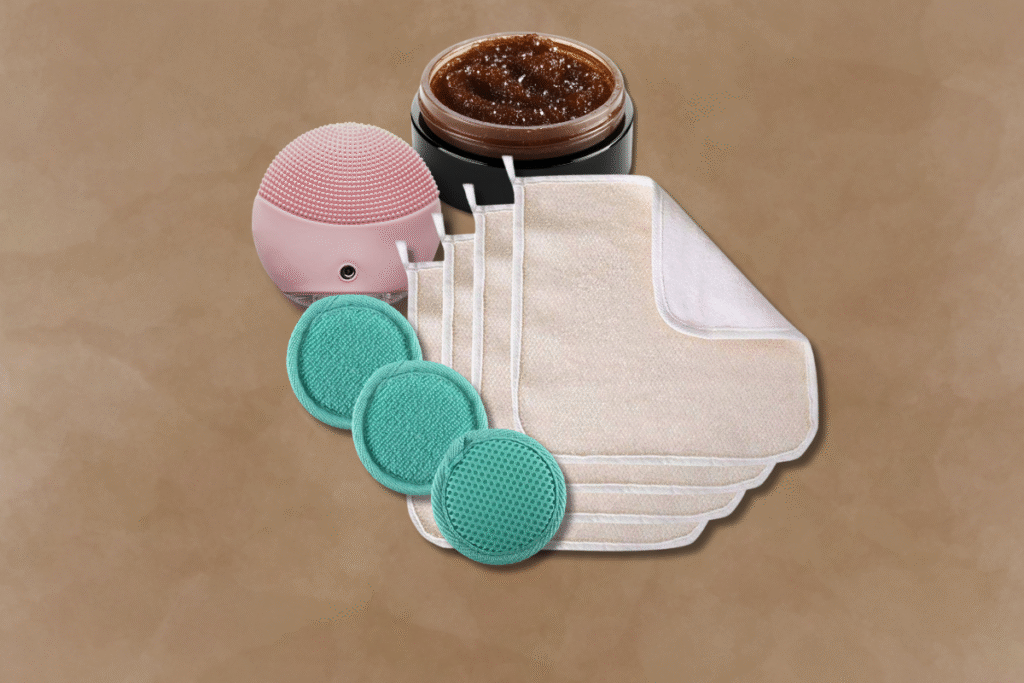
Physical exfoliants are the traditionalists of the skincare world—they get the job done through good old-fashioned manual friction. These are the scrubs, brushes, cleansing cloths, and exfoliating pads that physically buff away dead skin cells through mechanical action.
You’ll find physical exfoliants in various forms:
- Granular scrubs with particles like sugar, salt, or jojoba beads
- Exfoliating brushes and cleansing tools
- Textured cloths and washcloths
- Exfoliating pads with rough surfaces
The Upside of Going Physical
Physical exfoliants offer some compelling benefits that keep them popular:
Instant gratification: There’s something deeply satisfying about feeling your skin become baby-smooth immediately after use. You get tactile feedback that tells you it’s working.
No wait time: Unlike chemical exfoliants that need time to work their magic, physical scrubs deliver results the moment you rinse off.
Simple to understand: The concept is straightforward—scrub away the dead stuff, reveal the good stuff underneath.
The Potential Downsides
However, physical exfoliation isn’t without its risks:
Potential for micro-tears: Harsh scrubs (I’m looking at you, walnut shell scrubs) can create tiny tears in your skin that are invisible but damaging.
Uneven exfoliation: It’s nearly impossible to apply consistent pressure across your entire face, leading to over-exfoliated and under-exfoliated areas.
Not suitable for active breakouts: Scrubbing inflamed acne can spread bacteria and worsen irritation.
Who Should Consider Physical Exfoliants?
As celebrity esthetician Renée Rouleau explains, “Physical exfoliants work best for people with oily, resilient skin who can handle the friction without irritation.”
The best exfoliator candidates for physical methods typically have:
- Oily to normal skin types
- Non-sensitive skin
- No active acne or inflammatory conditions
- Skin that responds well to tactile stimulation
Pro tip: If you choose physical exfoliation, opt for eco-friendly options with biodegradable particles. Avoid microplastic beads that harm both your skin and the environment.
What Is a Chemical Exfoliant? Types, Benefits & Risks
Don’t let the word “chemical” scare you—chemical exfoliants are often gentler and more effective than their physical counterparts. Instead of manually scrubbing away dead cells, these sophisticated formulas use acids or enzymes to dissolve the bonds holding dead skin cells together, allowing them to shed naturally.
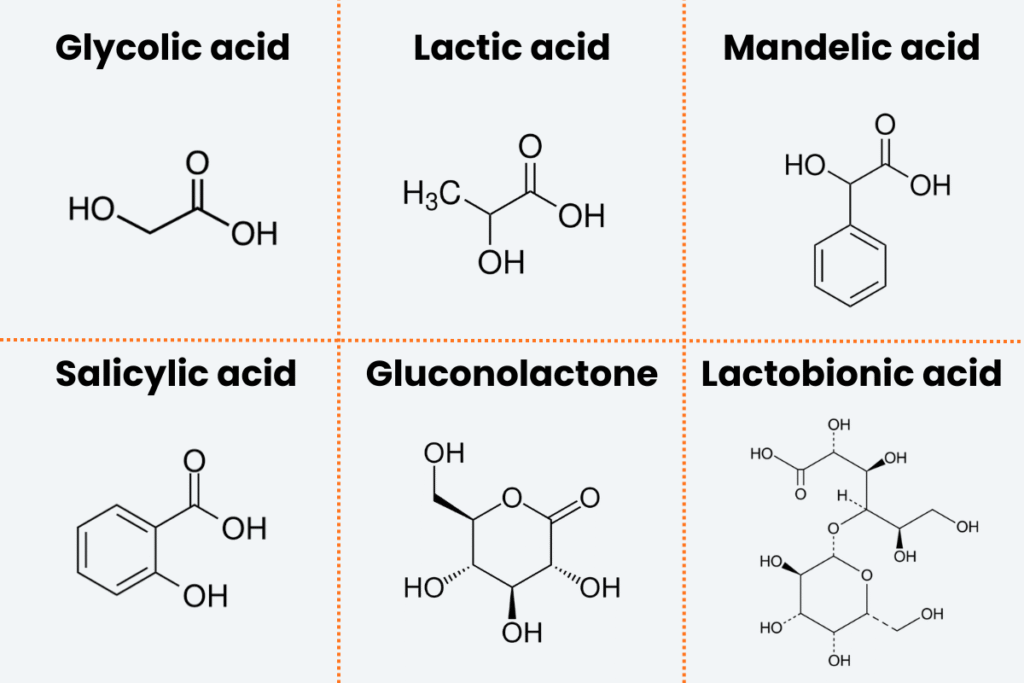
The Chemical Exfoliant Family Tree
Alpha Hydroxy Acids (AHAs) Think of AHAs as the gentle giants of chemical exfoliation. These water-soluble acids work primarily on the skin’s surface:
- Glycolic acid: The smallest molecule, penetrates deepest, best for anti-aging
- Lactic acid: Larger molecule, gentler, adds hydration while exfoliating
- Mandelic acid: The gentlest AHA, perfect for sensitive skin
Beta Hydroxy Acids (BHAs) BHAs are oil-soluble, meaning they can penetrate into pores:
- Salicylic acid: The gold standard for acne-prone skin, unclogs pores from within
Polyhydroxy Acids (PHAs) The newest kids on the block, offering gentle exfoliation with added hydration:
- Gluconolactone: Provides antioxidant benefits while exfoliating
- Lactobionic acid: Gentle enough for post-procedure skin
Why Chemical Exfoliants Are Having a Moment
Even application: Unlike scrubs, chemical exfoliants coat your skin evenly, ensuring consistent results across your entire face.
Customizable intensity: From gentle daily toners to powerful weekly treatments, you can fine-tune your exfoliation level.
Multi-tasking benefits: Many chemical exfoliants also provide hydration, antioxidant protection, or acne-fighting properties.
Suitable for sensitive skin: Properly formulated chemical exfoliants can be gentler than physical scrubs.
The Fine Print
Sun sensitivity: Chemical exfoliants can make your skin more photosensitive, making daily SPF non-negotiable.
Potential for irritation: Start slow—acids can cause redness, peeling, or stinging if you jump in too aggressively.
Product interactions: Some acids don’t play well with retinoids or other active ingredients.
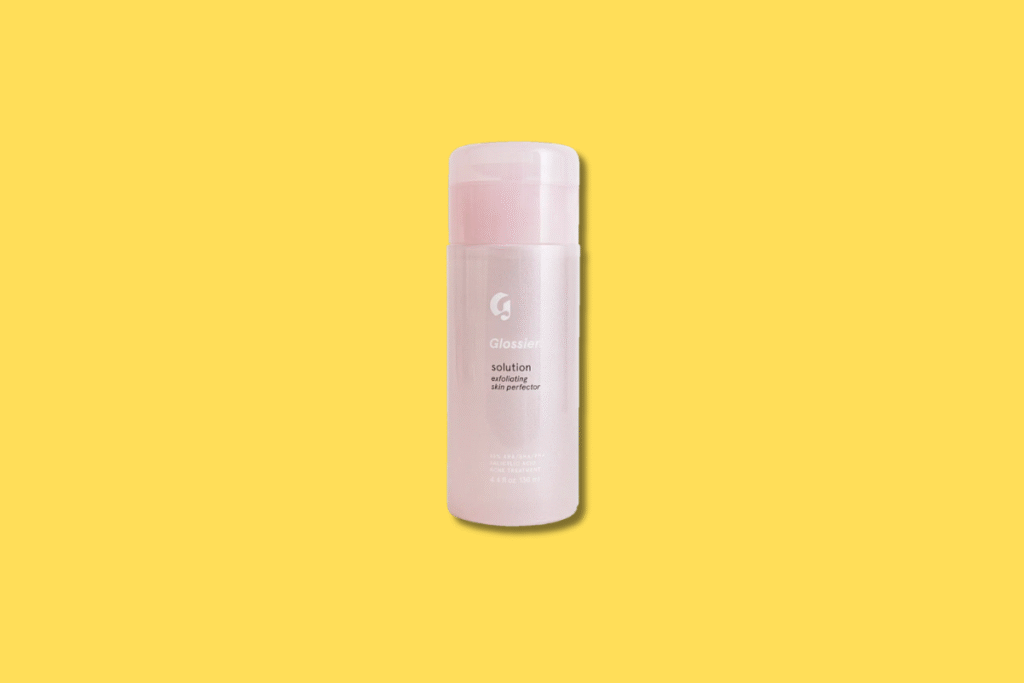
Examples of excellent chemical exfoliants: The Ordinary Glycolic Acid 7% Toning Solution , Paula’s Choice 2% BHA Liquid Exfoliant , and Glossier Solution.
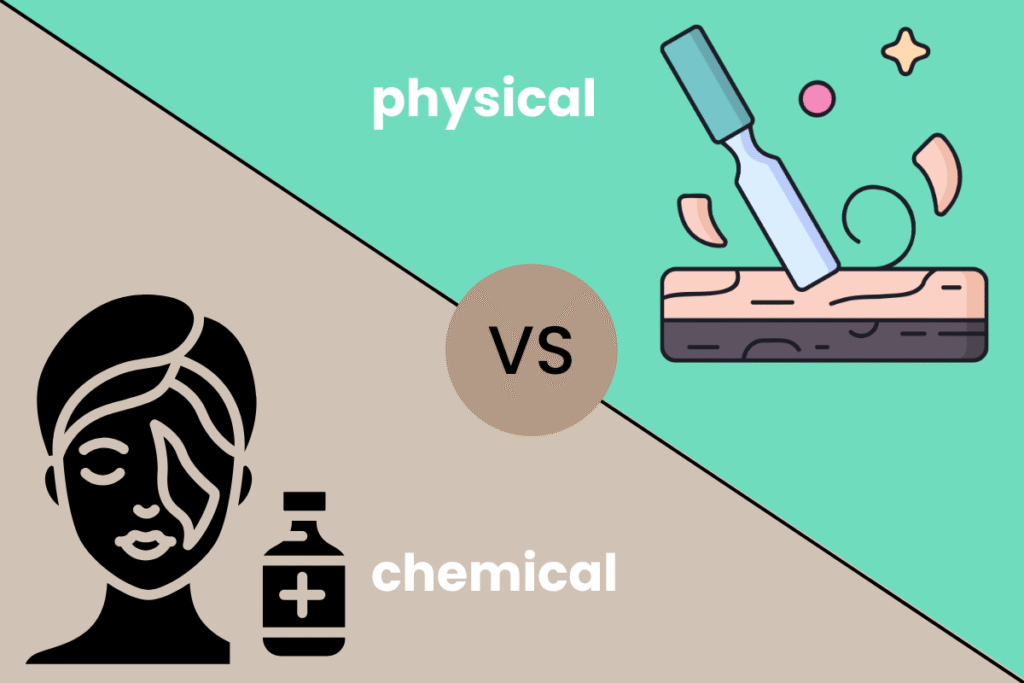
Physical vs Chemical Exfoliation: A Side-by-Side Comparison
Let’s cut through the confusion with a clear breakdown of how these two approaches stack up:
| Feature | Physical Exfoliants | Chemical Exfoliants |
|---|---|---|
|
Action
|
Manual scrubbing removes dead cells
|
Acids dissolve bonds between dead cells
|
|
Intensity
|
High (can be harsh)
|
Varies (mild to strong depending on formulation)
|
|
Best for Skin Types
|
Oily, normal, non-sensitive
|
Sensitive, acne-prone, mature, combination
|
|
Frequency
|
1-2 times per week maximum
|
2-3 times per week or more (depending on strength)
|
|
Immediate Results
|
Instant smoothness
|
Gradual improvement over days/weeks
|
|
Risk Factor
|
Micro-tears, over-exfoliation
|
Irritation if misused, sun sensitivity
|
|
Cost |
Generally lower
|
Can range from budget to luxury
|
|
Learning Curve
|
Minimal
|
Requires understanding of pH, concentration, timing
|
So, What's the Verdict on the Best Exfoliator for You?
The truth is, there’s no universal “winner” in this battle. The best exfoliator is the one that works harmoniously with your skin type, lifestyle, and goals.
If you have resilient, oily skin and love the immediate satisfaction of physical exfoliation, a gentle scrub 1-2 times per week might be your sweet spot. But if you’re dealing with sensitivity, acne, or want more controlled results, chemical exfoliation is likely your path to glow.
Sensitive Skin Tip: Start with a gentle PHA or enzyme exfoliant like papaya or pumpkin enzymes. These provide effective exfoliation without the irritation potential of stronger acids.
How to Use Exfoliants Safely: Do's & Don'ts
Exfoliation is powerful medicine for your skin, but like any potent treatment, it requires respect and proper technique. Whether you’re team physical or team chemical, these guidelines will keep you in the glow zone while avoiding the danger zone.
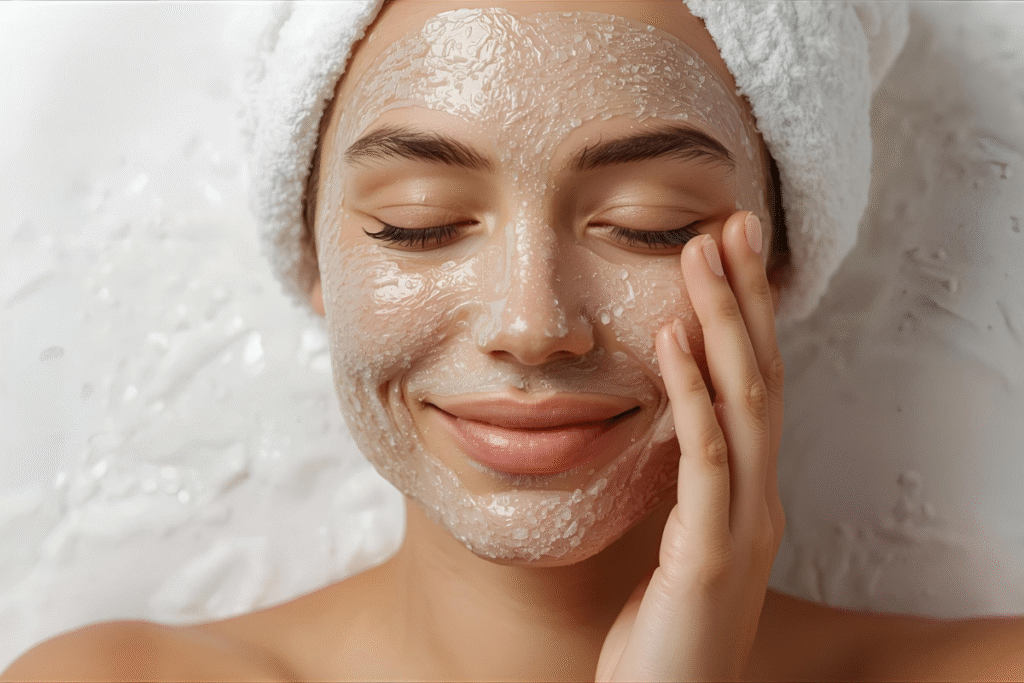
The Exfoliation Do's
Start slow and build gradually: Begin with once-weekly sessions and gradually increase frequency as your skin adapts. Your skin will tell you when it’s ready for more.
Time it right: Use chemical exfoliants at night when your skin can recover without sun exposure. Physical exfoliants can be used morning or evening, but evening is gentler.
Follow with hydration: Exfoliation can temporarily compromise your skin barrier, so always follow up with a hydrating serum and moisturizer to support recovery.
Listen to your skin: Slight tingling with chemical exfoliants is normal; burning, excessive redness, or persistent irritation means you need to dial it back.
The Exfoliation Don'ts
Don’t layer strong actives: Avoid using retinoids, vitamin C, or other potent actives on the same night as strong chemical exfoliants. Your skin needs time to process each treatment.
Don’t scrub irritated skin: If you’re experiencing breakouts, sunburn, or any irritation, skip physical exfoliation entirely until your skin heals.
Don’t forget SPF: This cannot be stressed enough—chemical exfoliants increase photosensitivity. Daily broad-spectrum SPF 30+ is non-negotiable.
Don’t mix without research: Combining different types of acids or using multiple exfoliating products simultaneously can lead to over-exfoliation and barrier damage.
Can I Use Both Types?
Absolutely! Many skincare enthusiasts successfully incorporate both physical and chemical exfoliation into their routines. The key is alternating methods (never on the same day) and monitoring your skin’s response carefully. You might use a gentle chemical exfoliant 2-3 times per week and add a mild physical exfoliant once weekly for deeper texture refinement.
Best Exfoliators by Skin Type (Expert-Backed Recommendations)
Finding the best exfoliator for your unique skin is like finding the perfect jeans—when you know what works, everything else falls into place. Here’s your personalized shopping guide based on skin type and concerns.
For Sensitive Skin: Gentle Giants
Top Pick: Glossier Solution This PHA-powered toner combines gluconolactone with gentle fruit acids for effective yet mild exfoliation. The larger PHA molecules can’t penetrate as deeply as AHAs, making this exfoliator for sensitive skin ideal for those who react to stronger formulas.
Runner-up: Enzymatic exfoliants with papaya or pumpkin enzymes These work by breaking down dead skin cells without acid irritation, perfect for reactive skin types.
For Acne-Prone Skin: Pore-Clearing Powerhouses
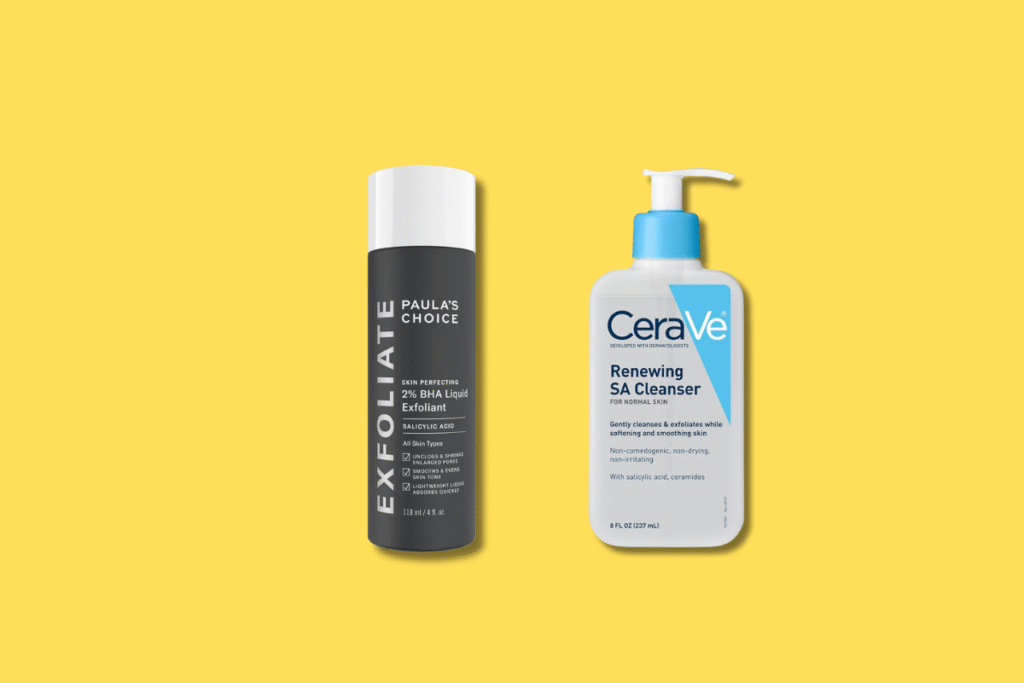
Top Pick: Paula’s Choice 2% BHA Liquid Exfoliant The gold standard BHA treatment that penetrates oil-filled pores to clear blackheads and prevent future breakouts. Salicylic acid is oil-soluble, making it uniquely suited for acne-prone skin.
Alternative: CeraVe SA Cleanser A gentler daily option that combines salicylic acid with ceramides to exfoliate while maintaining the skin barrier.
For Dry Skin: Hydrating Helpers
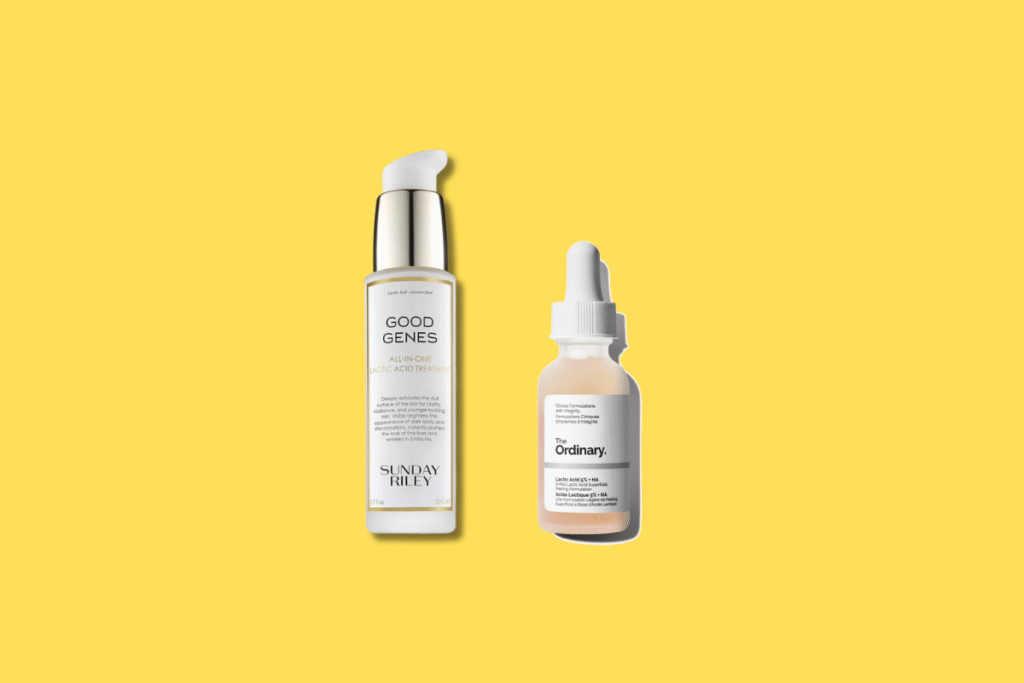
Top Pick: Sunday Riley Good Genes Lactic Acid Treatment Lactic acid is naturally more hydrating than glycolic acid, making it perfect for dry skin that needs exfoliation without further moisture depletion.
Budget-friendly option: The Ordinary Lactic Acid 5% + HA Provides gentle exfoliation with added hyaluronic acid for moisture retention.
For Oily Skin: Oil-Control Champions
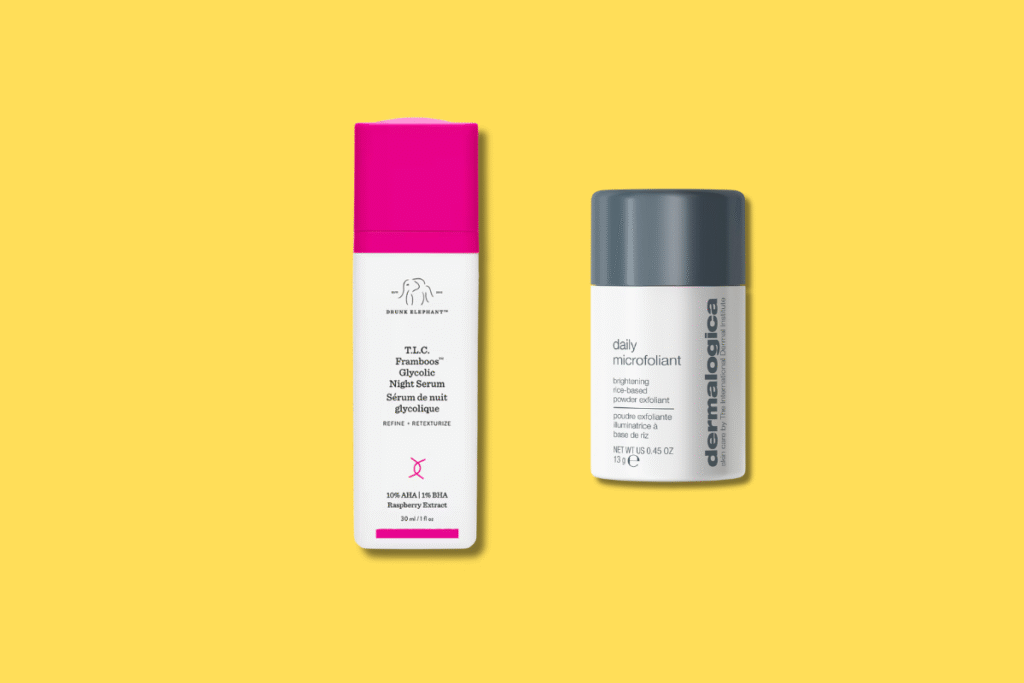
Top Pick: Drunk Elephant T.L.C. Framboos Glycolic Night Serum Combines glycolic and salicylic acids for comprehensive exfoliation that addresses both surface texture and pore congestion.
Physical option: Dermalogica Daily Microfoliant A rice-based powder exfoliant that activates with water, providing gentle physical exfoliation without over-stripping oily skin.
For Combination Skin: Balanced Approach
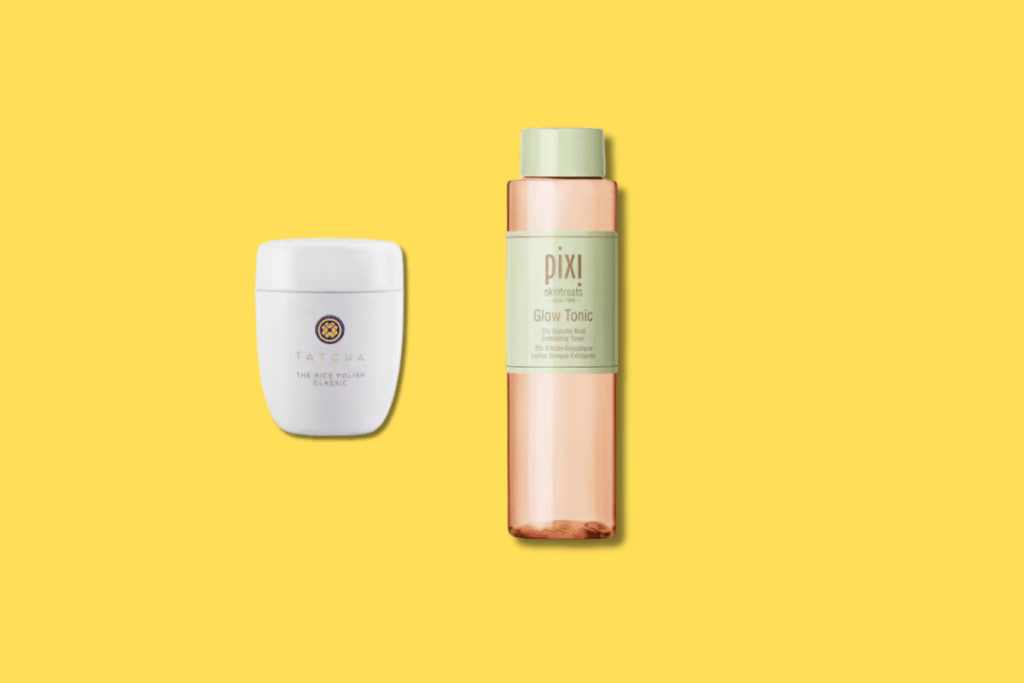
Top Pick: Tatcha The Rice Polish This hybrid product combines gentle physical exfoliation with enzymatic action, perfect for addressing different needs across your face.
Multi-tasking marvel: Pixi Glow Tonic A gentle glycolic acid toner that can be used more frequently on oily areas and less often on dry zones.
Each recommendation includes detailed ingredient lists and usage instructions to help you make an informed choice for your skin’s unique needs.
FAQ: Reader Questions About Exfoliation
Can I exfoliate every day?
Generally, no. Even gentle chemical exfoliants should start at 2-3 times per week maximum. Daily exfoliation can disrupt your skin barrier and lead to irritation, sensitivity, and paradoxically, more skin problems. Your skin needs recovery time between exfoliation sessions.
Is exfoliation good for sensitive skin?
Yes, but choose your weapon wisely. Exfoliator for sensitive skin options include gentle PHAs, enzymatic exfoliants, or very low-concentration AHAs. Avoid physical scrubs and strong acids. Always patch-test new products and introduce them gradually.
What’s better: chemical or physical exfoliant?
There’s no universal “better”—it depends entirely on your skin type, concerns, and preferences. Chemical exfoliants tend to be more customizable and often gentler, while physical exfoliants provide immediate tactile satisfaction and can be more straightforward to use.
When should I exfoliate—morning or night?
Night is almost always better, especially for chemical exfoliants. Your skin repairs itself while you sleep, and you’ll avoid immediate sun exposure after exfoliation. If you must exfoliate in the morning, never skip SPF.
Can exfoliating cause purging?
Yes, particularly with chemical exfoliants. “Purging” occurs when acids accelerate cell turnover, bringing underlying congestion to the surface faster. This typically lasts 4-6 weeks and affects areas where you normally break out. If you’re getting breakouts in new areas, it’s likely irritation, not purging.
Final Thoughts: Choose Wisely, Glow Responsibly
The beauty of modern skincare lies in having options that work for every skin type and lifestyle. Whether you’re drawn to the immediate satisfaction of a good scrub or the scientific precision of chemical exfoliation, the key is choosing thoughtfully and using consistently.
Remember, the best exfoliator isn’t necessarily the most expensive or the most popular—it’s the one that works harmoniously with your skin without causing irritation or disrupting your routine. Start gentle, be patient with results, and always prioritize your skin’s barrier health over aggressive treatments.
Your skin is unique, and it deserves a personalized approach to exfoliation. Take time to understand what your skin is telling you, adjust your routine as needed, and don’t be afraid to consult with a dermatologist if you’re unsure about the best path forward.
Ready to glow? Try a gentle exfoliant this week and observe how your skin responds. Remember, great skin is a marathon, not a sprint—consistent, gentle care will always win over aggressive, sporadic treatments.