

Why Daily Sunscreen Matters
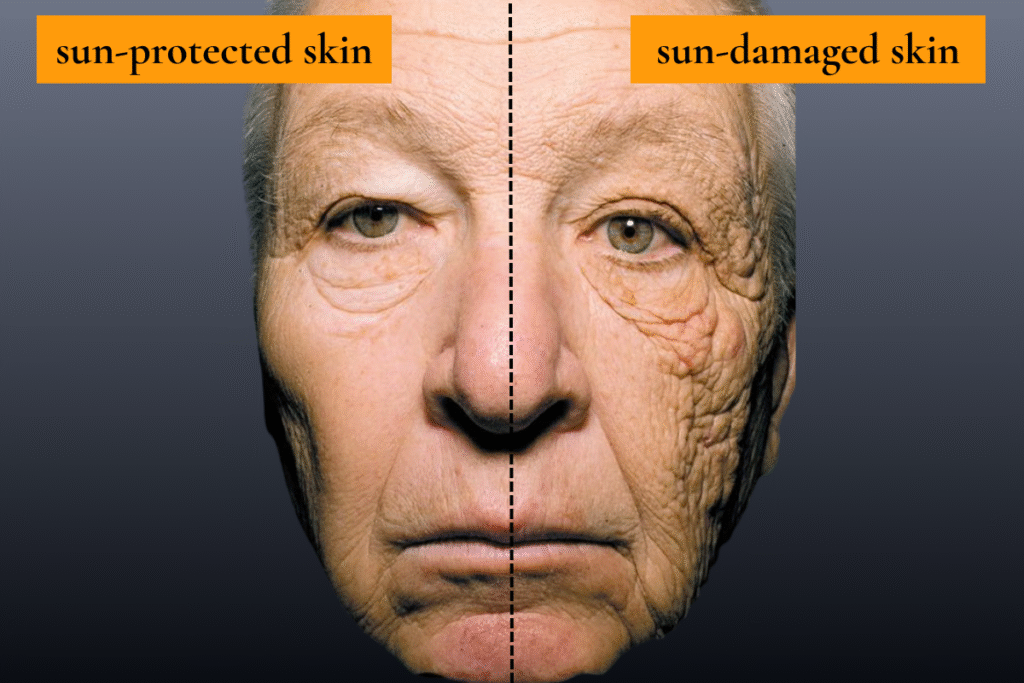
Here’s a sobering truth: 90% of visible aging is caused by sun exposure, not the passage of time. That means every unprotected walk to your car, every lunch break by the office window, and every “it’s just cloudy” day is silently fast-forwarding your skin’s aging clock.
I used to be that person who only slathered on sunscreen for face during beach vacations. Then my dermatologist showed me photos of truck drivers—one side of their face dramatically more aged from decades of window-side sun exposure. That was my wake-up call.
Daily sunscreen isn’t just about preventing sunburn; it’s your skin’s daily armor against UV rays that penetrate clouds, bounce off sidewalks, and stream through windows. The best part? When you find the right formula, it becomes as automatic as brushing your teeth—and twice as rewarding for your future self.
Today, I’m sharing seven dermatologist-approved sunscreens that’ll make daily SPF feel less like a chore and more like the smartest beauty investment you’ll ever make.
What Makes a Sunscreen 'Best' for Daily Use?
Not all sunscreens are created equal, especially when you’re committing to daily use. Your vacation sunscreen might be too heavy for Monday morning meetings, and that tinted moisturizer with SPF 15? It’s not cutting it for real protection.
Here’s what separates the best sunscreens from the mediocre ones:
Essential Daily Sunscreen Features:
- Broad-spectrum protection – Blocks both UVA (aging) and UVB (burning) rays
- SPF 30 or higher – Sweet spot for daily protection without greasiness
- Lightweight, non-greasy formula – Won’t pill under makeup or feel heavy
- Makeup-friendly base – Plays well with your morning routine
- Fragrance-free options – Especially crucial for sensitive skin types
- Quick absorption – No white cast or sticky residue
Mineral vs. Chemical: The Quick Breakdown
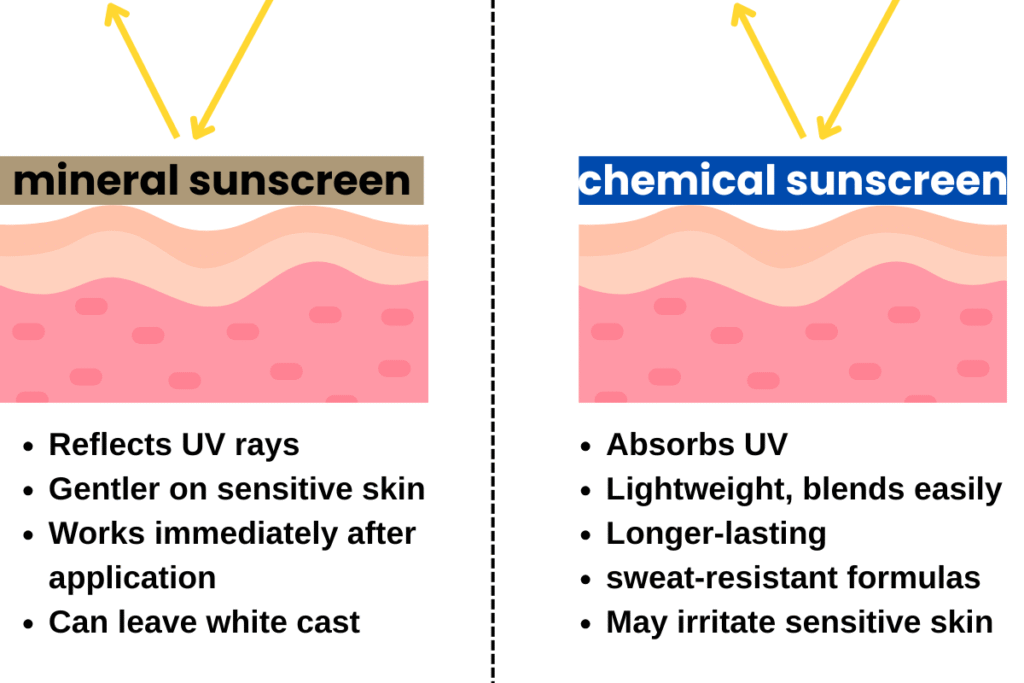
Mineral sunscreens (zinc oxide, titanium dioxide) sit on skin’s surface like tiny mirrors, reflecting UV rays. They’re gentler for sensitive skin but can leave a white cast.
Chemical sunscreens (avobenzone, octinoxate) absorb into skin and convert UV rays to heat. They’re typically more cosmetically elegant but can irritate reactive skin.
The truth? Both are effective when used correctly. Your skin type and preferences should guide your choice.
7 Best Sunscreens for Daily Use (Dermatologist Recommended)
After consulting with board-certified dermatologists and analyzing hundreds of formulations, these seven sunscreens rise above the rest. Each addresses different skin concerns while delivering uncompromising protection.
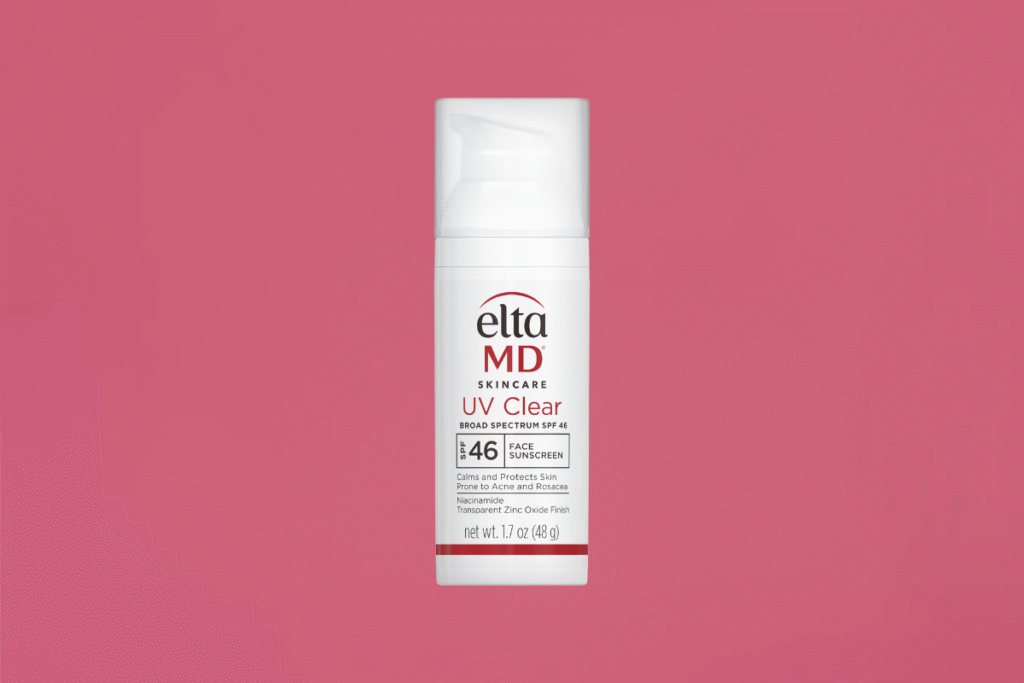
Type: Mineral-Chemical Hybrid | Best For: Sensitive, acne-prone skin
This is the sunscreen dermatologists recommend to their own families. EltaMD UV Clear contains zinc oxide for gentle protection plus niacinamide to calm inflammation and reduce redness. The lightweight gel-cream texture absorbs beautifully without clogging pores.
Why dermatologists love it: “I recommend EltaMD UV Clear to patients with rosacea and acne because it actually improves skin while protecting it,” says Dr. Sarah Chen, board-certified dermatologist. The 5% niacinamide acts as a skin-soothing bonus.
Perfect if you: Have sensitive skin, struggle with acne, or want a sunscreen that doubles as skincare.
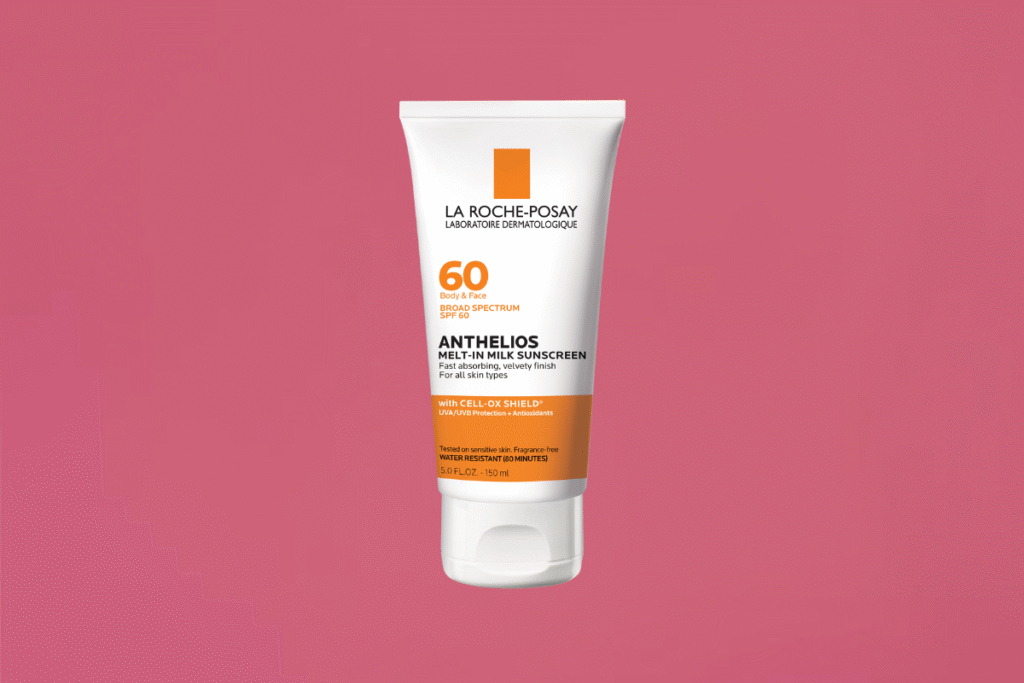
Type: Chemical | Best For: High protection seekers, outdoor activities
Don’t let the high SPF fool you—this French pharmacy favorite feels surprisingly light. The Cell-Ox Shield technology provides superior broad-spectrum protection, while the milk-like texture melts seamlessly into skin.
Why dermatologists love it: Its photostable formula maintains protection longer than many competitors. “For patients who need high protection but refuse to compromise on feel, this is my go-to,” notes Dr. Michael Torres.
Perfect if you: Spend significant time outdoors, have fair skin, or want maximum protection without the grease.
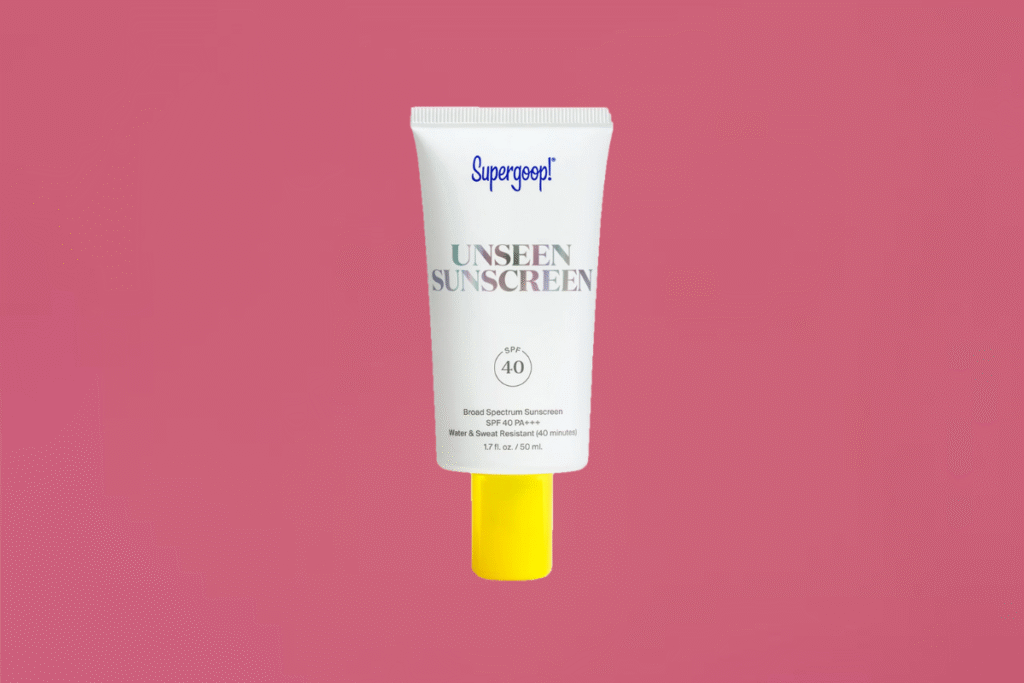
Type: Chemical | Best For: Makeup wearers, all skin tones
The name says it all—this sunscreen truly disappears. The weightless, scentless formula creates the perfect makeup base while delivering serious protection. It’s like a primer and sunscreen had a very successful baby.
Why dermatologists love it: “My patients who previously avoided sunscreen because of makeup issues are now daily users,” says Dr. Lisa Park. The velvet-smooth finish works under any foundation.
Perfect if you: Wear makeup daily, have oily skin, or want invisible protection.
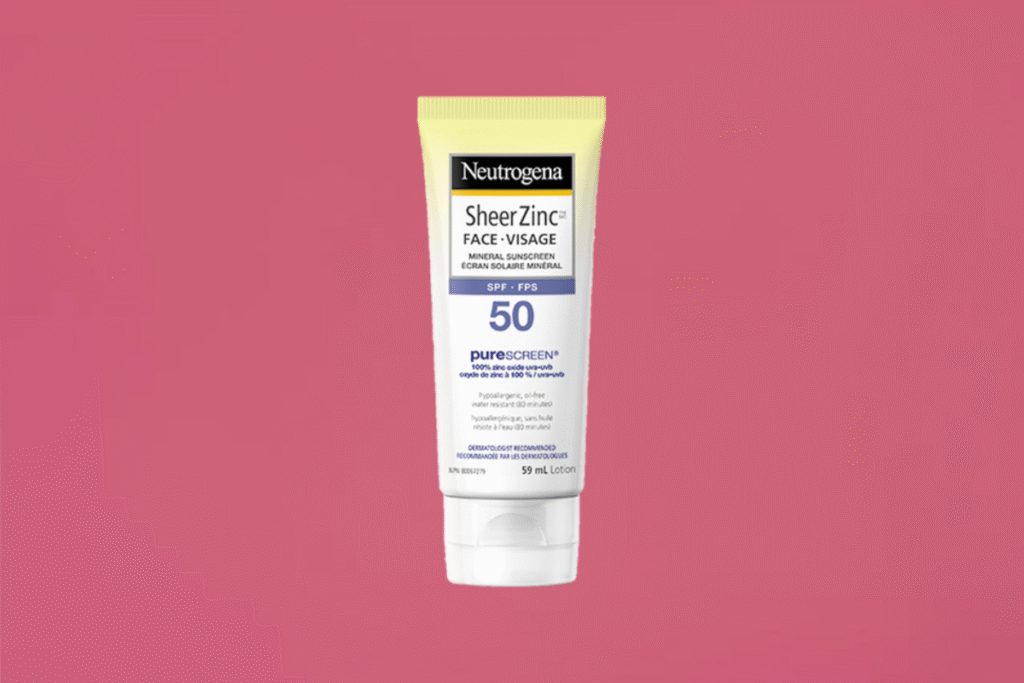
Type: Mineral | Best For: Sensitive skin, budget-conscious buyers
Zinc oxide gets a bad rap for white cast, but Neutrogena’s micronized formula proves mineral can be modern. This drugstore hero offers reliable protection with a surprisingly elegant finish.
Why dermatologists love it: “It’s proof that effective sun protection doesn’t require a luxury price tag,” explains Dr. James Wilson. The dry-touch technology prevents the sticky feeling common in mineral formulas.
Perfect if you: Have reactive skin, prefer mineral protection, or want pharmacy accessibility.
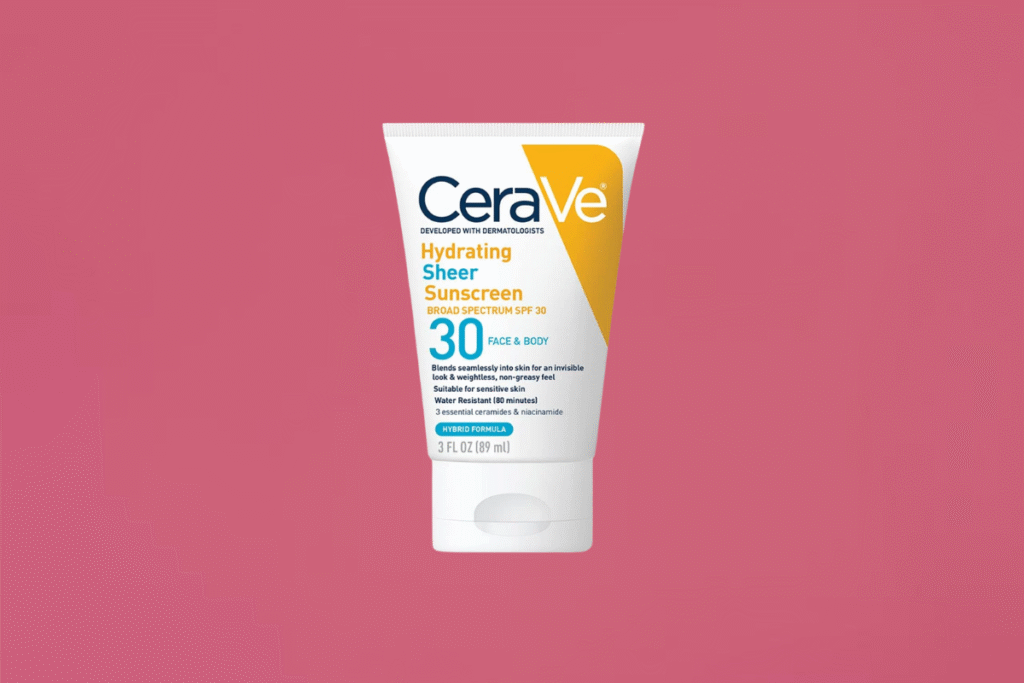
Type: Mineral | Best For: Dry skin, barrier repair
CeraVe combines zinc oxide protection with their signature ceramide blend for skin barrier support. It’s like giving your skin a drink while shielding it from damage.
Why dermatologists love it: “The ceramides help restore skin’s natural barrier while protecting it,” notes Dr. Amanda Rodriguez. The MVE technology provides all-day hydration.
Perfect if you: Have dry or compromised skin, want hydration plus protection, or prefer drugstore options.
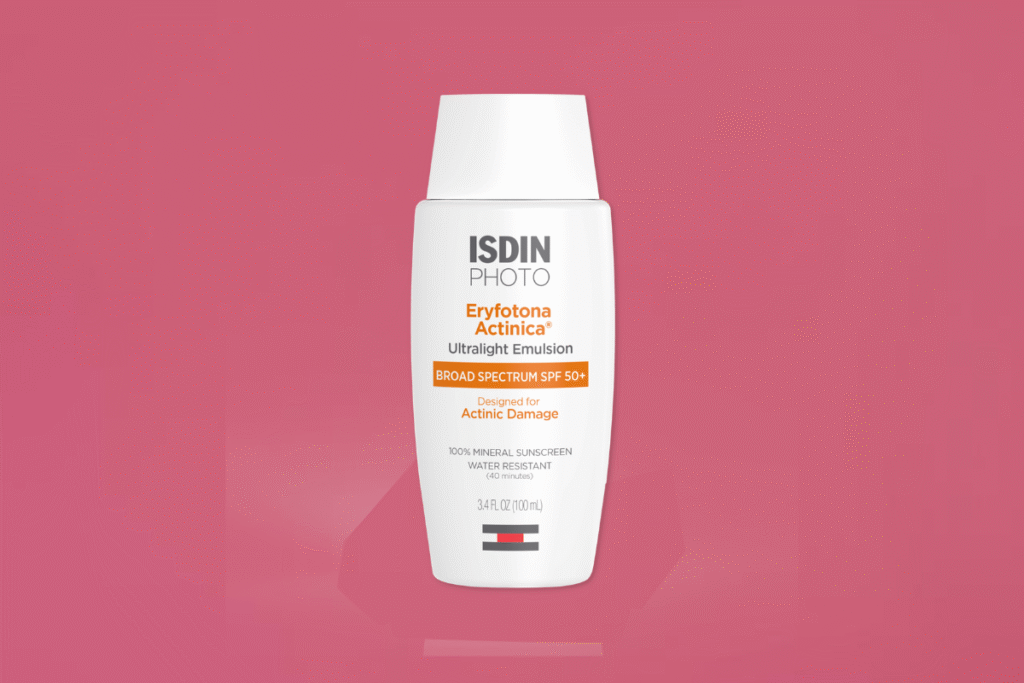
Type: Mineral | Best For: Skin repair, post-treatment care
This Spanish skincare gem goes beyond protection—it actually helps repair existing sun damage with DNA Repairsomes. Think of it as sunscreen with a time machine.
Why dermatologists love it: “I recommend this for patients with significant sun damage or after cosmetic procedures,” says Dr. Elena Martinez. The reparative ingredients work while you’re protected.
Perfect if you: Have existing sun damage, are post-laser treatment, or want preventative anti-aging.
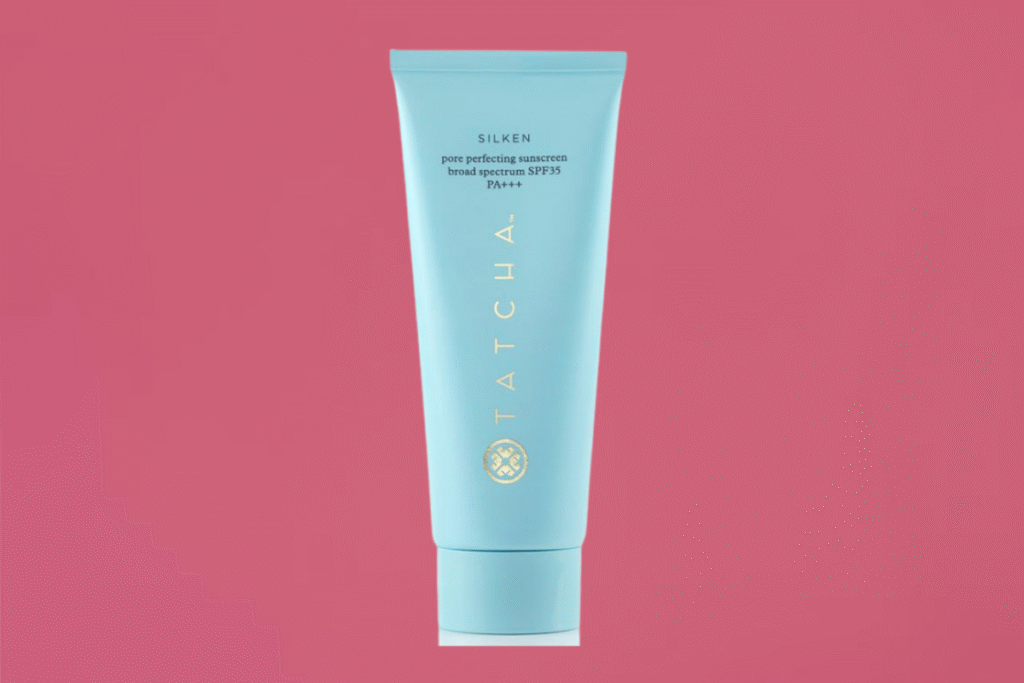
Type: Chemical | Best For: Luxury experience, pore minimizing
Tatcha elevates sun protection to skincare artistry. This silk-infused formula minimizes pores while protecting, creating a flawless canvas for makeup or bare skin.
Why dermatologists love it: “The optical blurring effect gives instant skin perfection while delivering protection,” observes Dr. Rachel Kim. Japanese skincare technology meets effective sun protection.
Perfect if you: Want luxury skincare benefits, have visible pores, or prefer premium formulations.
How to Choose the Right Sunscreen for Your Skin Type
The best sunscreen is the one you’ll actually use daily. Here’s how to match formulas to your skin’s personality:
Oily/Acne-Prone Skin
Look for oil-free, non-comedogenic formulas with gel or lightweight cream textures. EltaMD UV Clear and Supergoop! Unseen are your friends here. Avoid heavy, emollient-rich formulas that might trigger breakouts.
Dry Skin
Seek hydrating ingredients like ceramides, hyaluronic acid, or glycerin. CeraVe’s mineral option provides moisture plus protection. Skip alcohol-heavy formulas that might exacerbate dryness.
Sensitive Skin
Mineral sunscreens with zinc oxide or titanium dioxide are gentler than chemical filters. Fragrance-free formulas reduce irritation risk. Neutrogena Sheer Zinc and EltaMD UV Clear are dermatologist favorites for reactive skin.
Combination Skin
Lightweight gel-creams offer the sweet spot—hydrating enough for dry areas without overwhelming oily zones. Most of our top picks work well for combination skin types.
Pro tip: When in doubt, start with SPF 30-40 in a mineral formula. You can always graduate to chemical sunscreens once your skin adapts to daily use.
Common Mistakes People Make with Daily Sunscreen
Even the best sunscreens fail when used incorrectly. Avoid these pitfalls:
The Skimpy Application Most people use half the recommended amount. You need about two finger-lengths of product for your face—it should feel like slightly too much at first.
The Set-and-Forget Trap Reapplication isn’t just for beach days. If you’re by windows or outdoors during lunch, refresh your protection. Powder SPFs make midday touch-ups realistic over makeup.
The Partial Coverage Your ears, neck, and hands age first because they’re forgotten. Extend your facial sunscreen to these areas, or keep a body formula handy.
The Expired Product Shuffle Sunscreen loses effectiveness over time. If it’s separated, changed texture, or smells off, toss it. Most formulas last 12 months after opening.
The Fair-Weather Friend UV rays penetrate clouds and reflect off surfaces. Rainy Tuesday? You still need SPF. Office job? Those windows aren’t blocking all UV rays.
Expert Tips for Seamlessly Adding Sunscreen to Your Routine
Making daily sunscreen automatic requires strategic placement and smart timing:
Location, Location, Location Keep your sunscreen next to your toothbrush or with your morning skincare. Visual cues create habits faster than willpower.
Timing Is Everything Apply sunscreen as your final skincare step, before makeup. Allow 15 minutes for absorption before adding color cosmetics.
The Makeup Compatibility Test Not all sunscreens play well with all foundations. Test your combo on a weekend to avoid Monday morning meltdowns.
Reapplication Reality Check For makeup wearers, powder SPFs or setting sprays with protection make midday touch-ups feasible. Keep a compact SPF in your desk drawer.
The Gradual Approach If you’re sunscreen-averse, start with tinted moisturizers containing SPF, then graduate to dedicated formulas. Progress beats perfection.
FAQ: Daily Sunscreen Use (Quick Answers from Derms)
Q: Is sunscreen necessary if I work indoors? A: Absolutely. Windows block UVB (burning rays) but not UVA (aging rays). Plus, your commute and lunch breaks add up to significant exposure.
Q: What’s the best sunscreen for sensitive skin? A: Mineral formulas with zinc oxide are gentlest. Look for fragrance-free options like EltaMD UV Clear or Neutrogena Sheer Zinc.
Q: Can I use body sunscreen on my face? A: While not ideal, it’s better than nothing. Body formulas are typically heavier and might clog facial pores. Facial sunscreens are formulated for delicate facial skin.
Q: What’s better: mineral or chemical sunscreen? A: Both are effective when used properly. Mineral is gentler for sensitive skin; chemical offers more cosmetically elegant options. Choose based on your skin’s needs and preferences.
Q: How often should I reapply during the day? A: Every 2 hours with sun exposure, or immediately after sweating/swimming. For office workers, midday reapplication over makeup with powder SPF is realistic.

Conclusion: Your Skin Will Thank You
Here’s the beautiful truth about daily sunscreen: the benefits compound daily, but the effort remains minimal. Whether you choose EltaMD’s gentle protection, Supergoop!’s invisible armor, or CeraVe’s hydrating shield, consistency trumps perfection.
Your future skin is counting on the choices you make today. Sun damage is cumulative, but so is protection. Start with one of these dermatologist-recommended formulas, make it automatic, and watch your skin stay healthier, younger, and more radiant for decades to come.
Ready to upgrade your skincare? Start with your daily SPF. Pick the formula that matches your skin type and lifestyle—then stick with it religiously. Your mirror will reflect the difference, and your dermatologist will beam with pride.
Want more personalized skincare guidance? Subscribe to our newsletter for expert tips delivered weekly.