
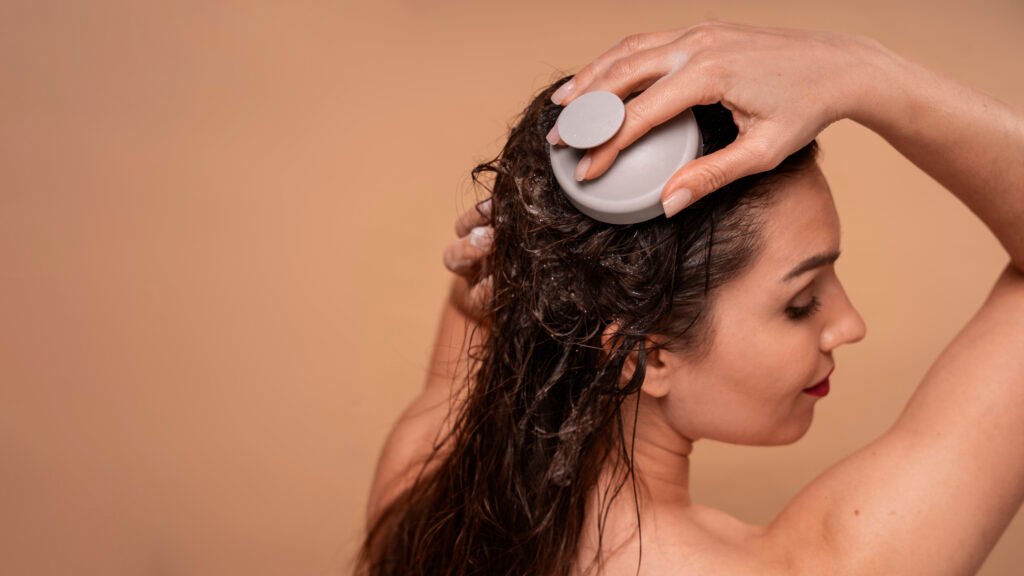
Great Hair Starts at the Root
Picture this: You’ve got a drawer full of expensive hair masks, leave-in treatments, and serums that promise salon-worthy locks. You’ve tried every curl cream, heat protectant, and shine spray on the market. Yet your hair still feels lackluster, grows slowly, or seems perpetually greasy at the roots. Here’s the plot twist—you might be starting your hair care routine in the wrong place entirely.
While most of us obsess over our hair strands, the real magic happens at the scalp. Think of your scalp as the soil in a garden. You can water and fertilize your plants all you want, but if the soil isn’t healthy, nothing will truly flourish. The same principle applies to scalp care—it’s the foundation that supports everything else.
Dermatologists and trichologists agree that a healthy scalp can improve hair growth by up to 60%. That’s not just marketing fluff; it’s science. When your scalp’s microbiome is balanced, your follicles are unclogged, and blood circulation is optimal, your hair has the perfect environment to grow stronger, shinier, and faster.
Ready to flip your hair routine upside down? Let’s dive into the healthy scalp tips that will revolutionize how you think about hair care—from the ground up.
Why Scalp Care Is the Foundation of Hair Health
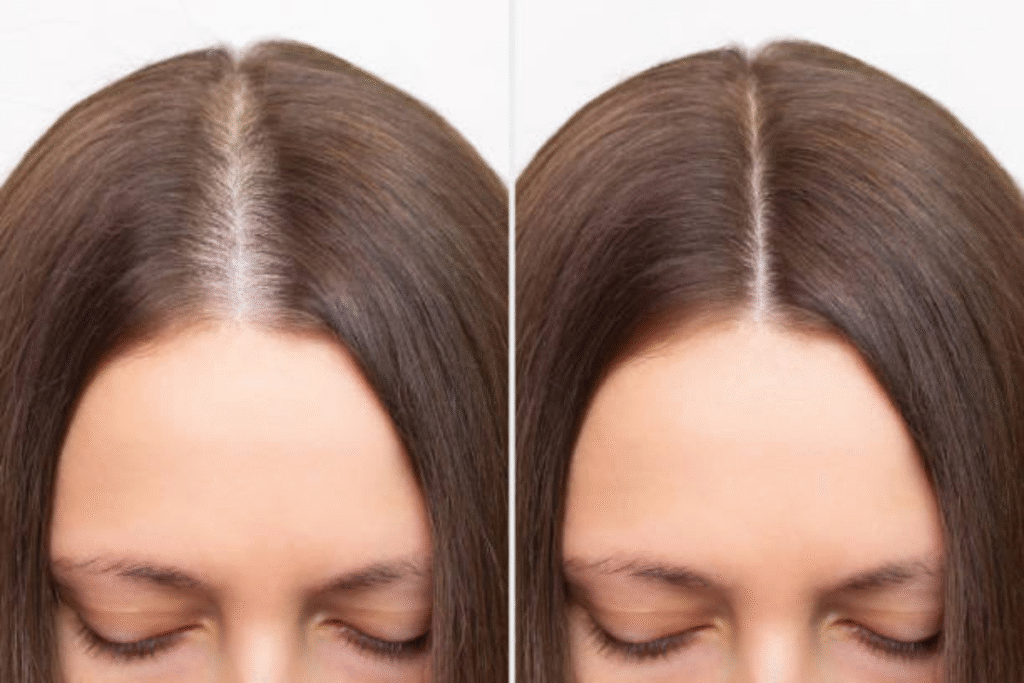
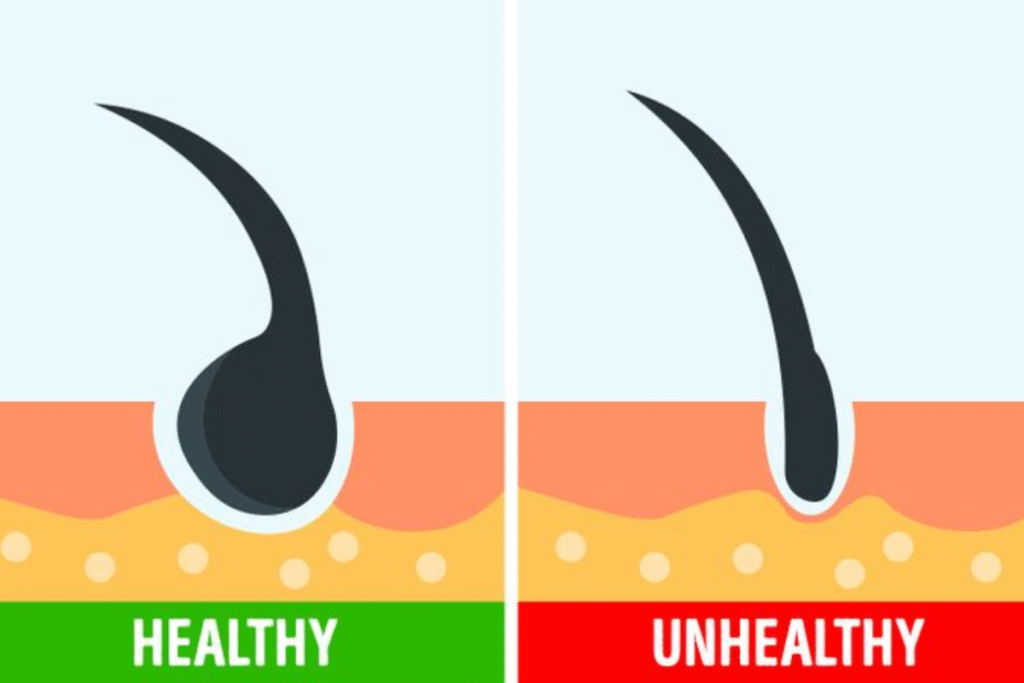
Your scalp isn’t just skin with hair growing out of it—it’s a complex ecosystem that deserves the same attention you give your face. The scalp houses millions of hair follicles, sebaceous glands, and a delicate microbiome of bacteria and yeast that work together to maintain optimal hair health.
When this ecosystem is balanced, magic happens. Your follicles receive proper nutrition through increased blood flow, natural oils distribute evenly without clogging pores, and your hair’s natural growth cycle runs smoothly. But when things go awry—whether from product buildup, hormonal changes, or environmental stressors—your hair pays the price.
The scalp’s microbiome plays a particularly crucial role in scalp health products effectiveness. Just like your gut microbiome affects digestion, your scalp’s bacterial balance influences everything from oil production to inflammation levels. Microbiome-friendly haircare products work by supporting these beneficial bacteria rather than stripping them away with harsh chemicals.
Dr. Francesca Fusco, a board-certified dermatologist, explains: “A healthy scalp maintains proper pH levels, adequate moisture, and good circulation. When any of these factors are compromised, it creates a domino effect that impacts hair texture, growth rate, and overall appearance.”
Blood circulation is another key player. When you massage your scalp or use treatments that stimulate blood flow, you’re essentially feeding your hair follicles. More circulation means more nutrients reaching the root, which translates to stronger, faster-growing hair. It’s like upgrading from dial-up to fiber optic internet for your follicles.
The connection between scalp health and common hair concerns is undeniable. Oily scalp often leads to limp, greasy-looking hair, while a dry, irritated scalp can cause brittle strands and increased breakage. When you address the root cause—literally—you solve multiple hair problems simultaneously.
Common Scalp Issues (And What They're Trying to Tell You)
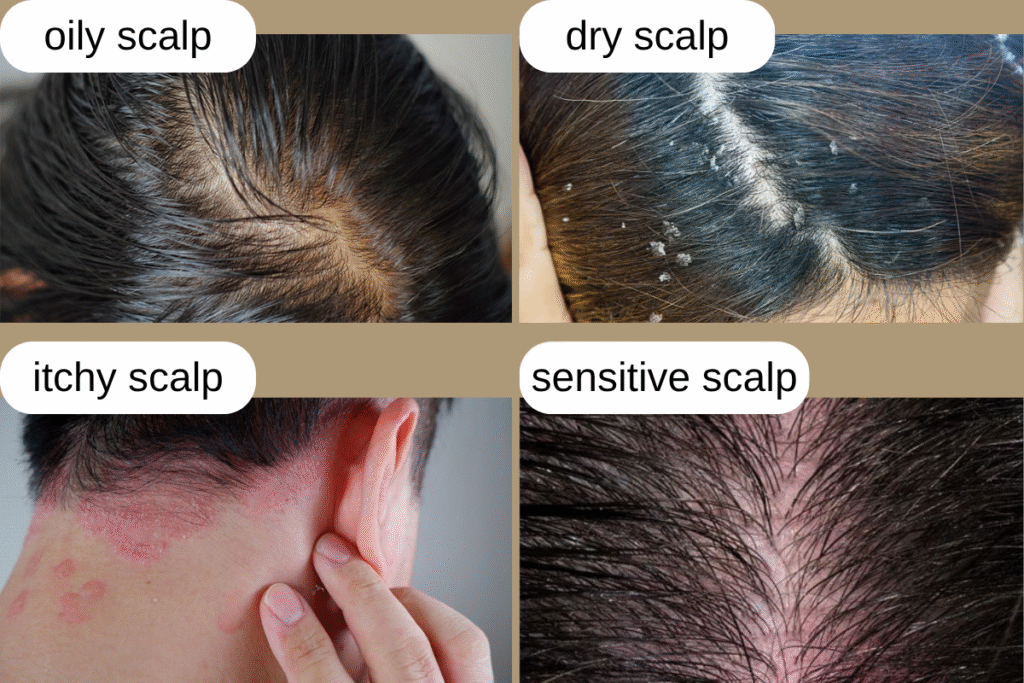
Your scalp is constantly sending you messages, but are you listening? Those little signs—the itch, the flakes, the oiliness—aren’t just annoyances to ignore. They’re your scalp’s way of telling you exactly what it needs.
Oily Scalp: If your roots look greasy by day two (or heaven forbid, by evening), your sebaceous glands are working overtime. This could signal hormonal imbalances, over-washing that triggers rebound oil production, or using products that are too heavy for your scalp type.
Dry, Flaky Scalp: Not all flakes are dandruff. Sometimes your scalp is simply dehydrated, especially during winter months or if you’re using clarifying shampoos too frequently. True dandruff involves yeast overgrowth and requires targeted dandruff solutions.
Itchy, Irritated Scalp: This is your scalp’s SOS signal. Itchy scalp remedies often involve identifying and eliminating irritants—whether that’s a new shampoo, environmental allergens, or even stress-related inflammation.
Product Buildup: That waxy, heavy feeling on your scalp isn’t normal. Scalp buildup removal becomes essential when styling products, dry shampoo, and natural oils accumulate faster than your regular shampoo can remove them.
Sensitive Scalp: If your scalp tingles, burns, or reacts to most products, you likely have a compromised skin barrier. This requires gentle, fragrance-free formulations and a simplified routine.
More serious conditions like seborrheic dermatitis present as persistent, yellow-ish flakes with redness, while scalp psoriasis creates thick, silvery scales. Fungal overgrowth can cause everything from stubborn dandruff to hair loss in patches.
The key is matching your solution to your specific symptom. A dry scalp needs hydration, not anti-fungal treatments. An oily scalp benefits from clarifying, not heavy oils. Getting this diagnosis right is half the battle.
Scalp Exfoliation: The Step You're Probably Skipping
Here’s a reality check: When’s the last time you exfoliated your scalp? If you’re drawing a blank, you’re not alone. Most people religiously exfoliate their face and body but completely forget about their scalp—despite the fact that it’s skin too, and it sheds dead cells just like everywhere else.
Scalp exfoliation is the game-changer you didn’t know you needed. Dead skin cells, product residue, and excess oils create a layer of buildup that can clog hair follicles and prevent new growth. It’s like trying to plant seeds in concrete—nothing’s getting through.
There are two main types of scalp exfoliation: physical and chemical. Physical exfoliants use granules or brushes to manually slough away dead skin. Think sea salt scrubs or specialized scalp massagers with silicone bristles. These work well for most people but should be used gently to avoid irritation.
Chemical exfoliants are where the real magic happens. Ingredients like salicylic acid and glycolic acid dissolve the bonds between dead skin cells, allowing them to shed naturally. They’re particularly effective for scalp buildup removal because they can penetrate deeper than physical scrubs.
Salicylic acid is the MVP for oily, acne-prone scalps because it’s oil-soluble and can penetrate into follicles. Glycolic acid works beautifully for general buildup and dullness. Start with once-weekly treatments and adjust based on your scalp’s response.
Popular options include Briogeo’s Scalp Revival Charcoal + Coconut Oil Micro-Exfoliating Shampoo for physical exfoliation, or The Ordinary’s Glycolic Acid 7% Toning Solution (yes, you can use it on your scalp) for chemical exfoliation.
The golden rule: less is more. Over-exfoliating can damage your scalp’s protective barrier and cause irritation. Start slowly, pay attention to how your scalp responds, and never exfoliate broken or inflamed skin.
The Power of Scalp Massage (and How to Do It Right)
If there’s one healthy scalp tip that’s both free and incredibly effective, it’s scalp massage. This isn’t just spa-day luxury—it’s a scientifically-backed method for improving hair health that you can do anywhere, anytime.
Scalp massage benefits go far beyond relaxation. A 2016 study published in the journal Eplasty found that daily scalp massage for 24 weeks resulted in increased hair thickness. The mechanical stretching forces activate cellular pathways that promote hair growth and strengthen existing strands.
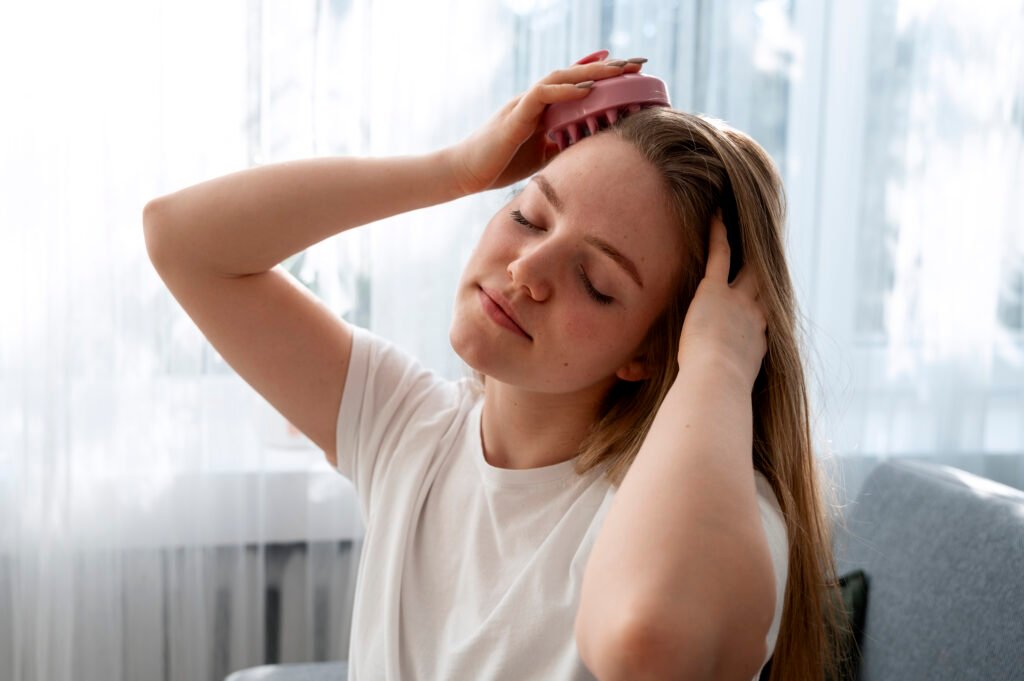
The technique is simple but specific. Use your fingertips (not your nails) to apply gentle, circular pressure across your entire scalp. Start at your hairline and work toward the crown, spending extra time on areas that feel tense or tender. The key is consistency—aim for 3-5 minutes, 2-3 times per week.
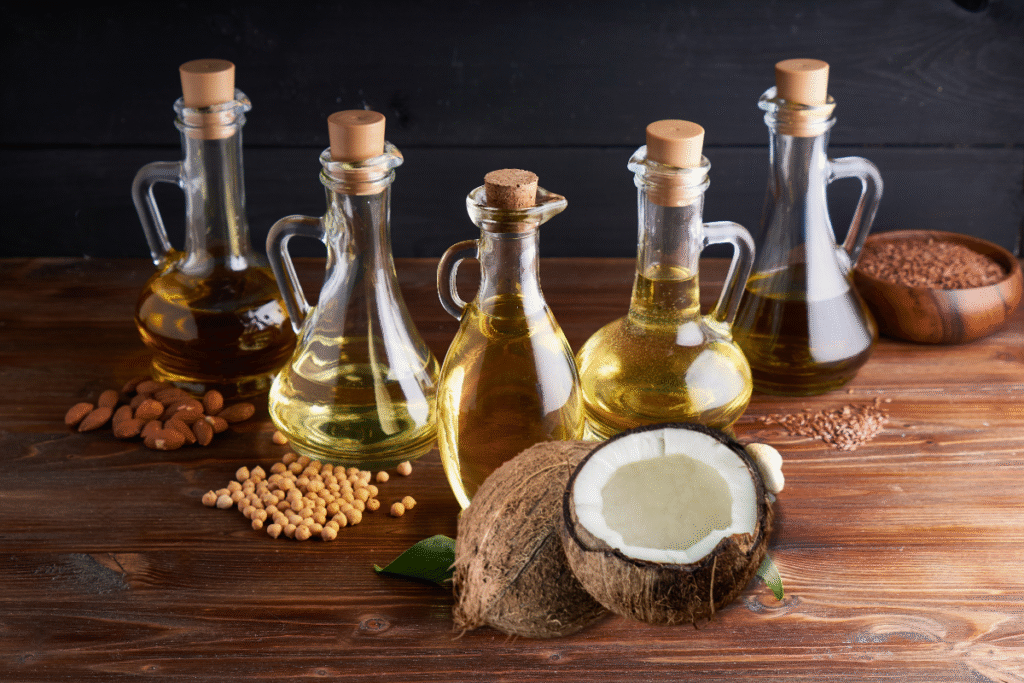
You can massage dry scalp or add a few drops of oil for extra nourishment. Coconut oil, jojoba oil, or even a specialized scalp serum can enhance the experience. The pressure should feel good—firm enough to stimulate circulation but gentle enough to avoid irritation.
Scalp massage tools can amplify the benefits. Silicone scalp massagers with flexible bristles provide consistent pressure and can reach areas your fingers might miss. Some people swear by jade or rose quartz scalp tools for their cooling effect and smooth glide.
Timing matters too. Pre-shampoo massage helps loosen buildup and prepares your scalp for cleansing. Post-shower massage on damp hair can help distribute natural oils and styling products evenly. Even a quick 30-second massage while applying shampoo makes a difference.
The best part? Results are cumulative. The more consistently you massage, the better your circulation becomes, and the healthier your scalp environment grows. It’s like compound interest for your hair follicles.
Scalp Oiling: Ayurvedic Tradition Meets Modern Science
Scalp oiling has been practiced for thousands of years in Ayurvedic medicine, but modern research is finally catching up to what ancient healers always knew—certain oils can dramatically improve scalp health when used correctly.
The key phrase here is “when used correctly.” Scalp oiling isn’t universally beneficial, and doing it wrong can actually worsen certain conditions. If you have an oily scalp or are prone to scalp acne, heavy oils might exacerbate the problem. But for dry, flaky, or irritated scalps, the right oils can be transformative.
Coconut oil is the superstar of scalp treatments. Its antimicrobial properties help combat fungal overgrowth that causes dandruff, while its molecular structure allows it to penetrate hair shafts better than most other oils. It’s particularly effective for dry scalp conditions.
Castor oil has gained popularity for its potential hair-thickening properties. Rich in ricinoleic acid, it may help improve circulation and reduce inflammation. Fair warning: it’s thick and can be challenging to wash out, so start with small amounts.
Tea tree oil should always be diluted but packs a powerful punch against dandruff and scalp irritation. Mix 2-3 drops with a carrier oil like jojoba for a targeted treatment.
The application technique is crucial. Warm the oil slightly (test on your wrist first), section your hair, and apply directly to the scalp using your fingertips or a applicator bottle. Massage gently to distribute, then leave on for 20-60 minutes before shampooing thoroughly.
This is a pre-wash treatment, not a leave-in conditioner. Leaving oil on your scalp too long or not washing it out properly can clog follicles and attract dirt. Most people benefit from scalp oiling once or twice per week, but start monthly and adjust based on results.
The science is promising: oils create a protective barrier, deliver nutrients directly to follicles, and can help regulate sebum production over time. Just remember that patience is key—scalp oiling is a long-term strategy, not an overnight fix.
Best Scalp Products to Add to Your Routine
Navigating the world of scalp health products can feel overwhelming, but the right products can fast-track your journey to a healthier scalp. Here’s your curated guide to products that actually deliver results.
Scalp Serums: These concentrated treatments target specific concerns with active ingredients like caffeine, niacinamide, or peptides. The INKEY List Caffeine Stimulating Scalp Treatment combines caffeine with adenosine to promote circulation and potentially stimulate growth. Apply to clean, damp scalp and massage in thoroughly.
Clarifying Shampoos: Essential for scalp buildup removal, these deep-cleaning formulas should be used weekly or bi-weekly depending on your product usage. Neutrogena Anti-Residue Shampoo is a drugstore favorite that strips away stubborn buildup without over-drying.
Scalp Masks: Think of these as intensive treatments for stressed scalps. Christophe Robin Cleansing Purifying Scrub with Sea Salt combines physical exfoliation with nourishing oils for a spa-like experience at home.
Microbiome-Friendly Options: These newer formulations support your scalp’s natural bacterial balance rather than disrupting it. Look for products with prebiotics, probiotics, or gentle surfactants that won’t strip beneficial bacteria.
For scalp treatment targeting specific issues:
- Dandruff: Head & Shoulders Clinical Strength contains selenium sulfide for stubborn flakes
- Sensitivity: Vanicream Free & Clear Shampoo is fragrance-free and hypoallergenic
- Thinning Hair: Nioxin System kits provide a three-step approach to scalp health and hair density
The key is layering products thoughtfully. Start with one new product at a time, test for 2-4 weeks, then add the next. Your scalp needs time to adjust and show results.
Pro tip: Match your product pH to your scalp’s natural acidity (around 4.5-5.5). Alkaline products can disrupt your scalp’s protective acid mantle and cause irritation.
What Is a Scalp Spa—and Should You Try One?
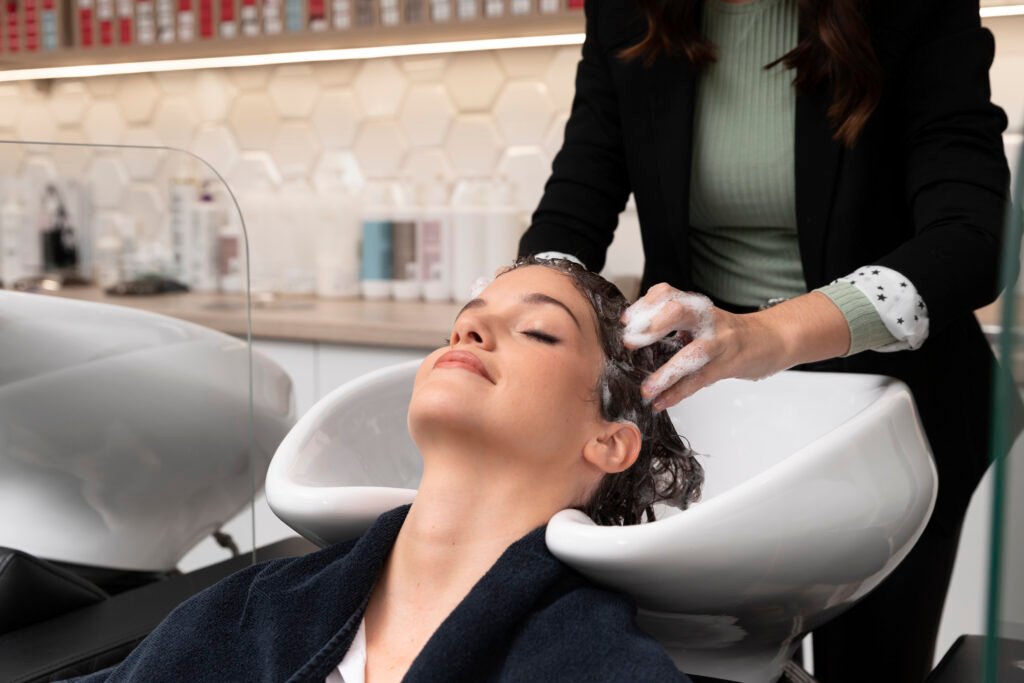
The scalp spa trend is taking self-care to the next level, and for good reason. These specialized treatments combine multiple scalp treatment techniques into one luxurious, results-driven experience that your scalp (and stress levels) will thank you for.
A typical scalp spa session includes deep cleansing, exfoliation, steam treatment, massage, and targeted serums or masks. The process usually starts with a thorough scalp analysis to identify specific concerns, followed by customized treatments that might include charcoal detox masks, hydrating treatments, or circulation-boosting massage techniques.
The benefits extend beyond the immediate relaxation. Steam opens pores and softens buildup, making extraction more effective. Professional-grade exfoliation removes weeks or months of accumulated dead skin and product residue. Specialized massage techniques can reach pressure points and muscle tension that home massage might miss.
Many scalp spas also incorporate LED light therapy, which may stimulate cellular activity and improve circulation. Some offer scalp facials that mirror skincare treatments—complete with cleansing, toning, and moisturizing steps designed specifically for scalp skin.
DIY Scalp Spa at Home:
Start with dry brushing to stimulate circulation
Apply a clarifying mask or oil treatment
Use a warm, damp towel as a steam treatment for 10 minutes
Massage thoroughly with a scalp tool
Rinse with cooler water to close follicles
Finish with a lightweight scalp serum
Professional scalp spas are ideal for people with chronic buildup, those who use lots of styling products, or anyone dealing with persistent scalp issues that home care hasn’t resolved. Think of it as a reset button for your scalp health.
The investment (typically $75-150) pays dividends in improved scalp condition and the relaxation factor alone. Many clients report sleeping better after scalp spa treatments due to the tension release.
Common Scalp Care Mistakes (and How to Fix Them)
Even with the best intentions, it’s easy to sabotage your scalp care routine with well-meaning but misguided habits. These common mistakes might be holding back your hair goals without you realizing it.
Over-washing: The “daily shampoo” rule is outdated for most hair types. Washing too frequently strips natural oils, causing your scalp to overproduce sebum in compensation. Fix: Gradually extend time between washes. Most people do well with 2-3 times per week.
Dry Shampoo Dependency: While dry shampoo is convenient, using it repeatedly without proper cleansing leads to serious scalp buildup removal needs. Those powdery residues can clog follicles and irritate scalp skin. Fix: Use dry shampoo sparingly and follow with thorough cleansing within 1-2 applications.
Ignoring Your Scalp During Hair Routines: Focusing all your attention on mid-length to ends while neglecting the scalp is like watering leaves instead of roots. Fix: Always start treatments at the scalp and work outward.
Skipping Exfoliation Entirely: Your scalp sheds dead skin cells just like your face, but most people never exfoliate it. Fix: Incorporate weekly scalp exfoliation using chemical or physical methods.
Wrong pH Products: Using alkaline shampoos (pH above 7) disrupts your scalp’s natural acid mantle, leading to irritation and bacterial imbalances. Fix: Look for pH-balanced products around 4.5-5.5.
Hot Water Overuse: Scalding hot showers feel relaxing but strip protective oils and can cause inflammation. Fix: Use lukewarm water for washing and finish with a cool rinse to seal hair cuticles.
Product Mixing Without Research: Combining active ingredients like salicylic acid with retinol or using multiple exfoliants can cause severe irritation. Fix: Research ingredient interactions and introduce new products gradually.
The good news? Most of these mistakes are easily correctable with awareness and gradual routine adjustments. Your scalp is forgiving and will respond positively to improved care within weeks.
Expert Tips for Long-Term Scalp Health
Sustainable scalp care isn’t just about products—it’s about creating lifestyle habits that support optimal scalp health from the inside out. Think of these healthy scalp tips as your long-term investment strategy.
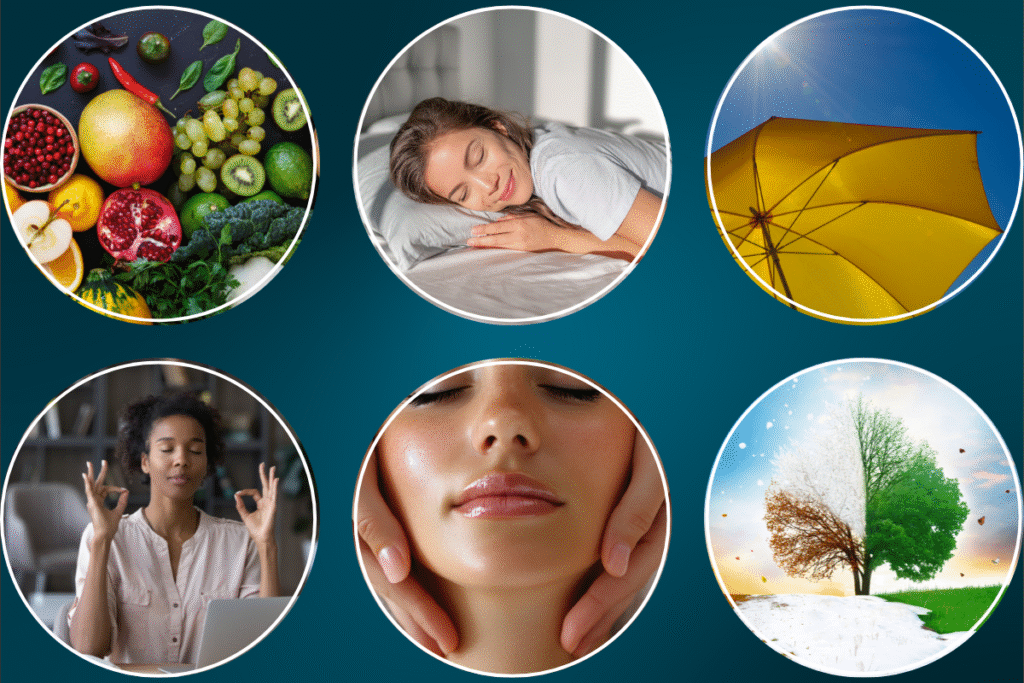
Nutrition Matters: Your hair follicles are among the most metabolically active cells in your body, requiring steady nutrient supply. Omega-3 fatty acids (found in salmon and walnuts) reduce inflammation, zinc supports hair growth cycles, and biotin strengthens hair structure. Iron deficiency is a common cause of hair loss, especially in women.
Sleep Surface Upgrades: Cotton pillowcases create friction and absorb natural oils from your scalp and hair. Silk or satin pillowcases reduce friction, maintain moisture, and prevent bedhead. The investment (around $30-60) pays dividends in both hair and skin health.
Sun Protection: Your scalp can sunburn just like any other skin, leading to inflammation, dryness, and potential long-term damage. Wear hats, use UV-protective hair products, or apply sunscreen to your part line during extended sun exposure.
Stress Management: Chronic stress elevates cortisol levels, which can disrupt hair growth cycles and worsen scalp conditions. Regular exercise, meditation, or other stress-reduction techniques directly benefit scalp health.
Treatment Rotation: Just like your skin benefits from varied skincare routines, your scalp thrives with rotating treatments. Alternate between clarifying and moisturizing shampoos, switch between different active ingredients, and adjust your routine seasonally.
Dr. Shereene Idriss, board-certified dermatologist, notes: “Scalp health is a marathon, not a sprint. Consistency with gentle, appropriate care yields better results than aggressive treatments that cause irritation and setbacks.”
Seasonal Adjustments: Your scalp needs change with weather and lifestyle. Winter calls for more moisturizing treatments, summer requires clarifying to manage increased oil and sweat, and seasonal shedding in fall is normal.
The key is patience and consistency. Most people notice initial improvements within 2-4 weeks, but significant changes in hair texture, growth rate, and overall health typically take 3-6 months of consistent care.
FAQs About Scalp Care
How often should I exfoliate my scalp? Most people benefit from once-weekly scalp exfoliation, but this varies by scalp type. Oily scalps might handle twice weekly, while sensitive scalps should start monthly and increase gradually. Always listen to your scalp’s response.
Can I use face exfoliants on my scalp? Yes, many face exfoliants work well on scalps. Chemical exfoliants like salicylic acid or glycolic acid are particularly effective. However, avoid retinol-based products near your hairline, as they can cause excessive dryness.
Is oiling the scalp safe for everyone? No, scalp oiling isn’t universal. People with oily scalps, scalp acne, or seborrheic dermatitis should avoid heavy oils, which can worsen these conditions. When in doubt, consult a dermatologist or start with lighter oils like jojoba.
What’s the best treatment for itchy scalp? Itchy scalp has many causes, so treatment varies. Try switching to fragrance-free products first, incorporate gentle exfoliation, and consider anti-inflammatory ingredients like tea tree oil or aloe vera. Persistent itching warrants professional evaluation.
Does scalp massage actually help hair grow? Research suggests regular scalp massage can increase hair thickness over time by improving circulation and potentially activating growth factors. While it won’t dramatically change your growth rate, it’s a beneficial addition to any hair care routine.
Love Your Scalp, Love Your Hair
The journey to better hair truly begins at the root—literally. Scalp care isn’t just another beauty trend; it’s the foundation that supports everything else you’re trying to achieve with your hair. Whether you’re battling buildup, seeking shinier strands, or hoping to boost growth, the answer lies in treating your scalp with the same attention you give your face.
Remember, sustainable scalp health is about consistency, not perfection. Start with one or two healthy scalp tips from this guide—maybe weekly exfoliation and regular massage—then gradually build your routine as your scalp adapts and improves.
Your scalp has been patiently waiting for this attention. Now it’s time to give it the care it deserves and watch as your hair transforms from the ground up. The best hair of your life might just be a healthy scalp away.
Ready to revolutionize your hair routine? share your scalp transformation journey with us! What’s your biggest scalp concern, and which tip are you most excited to try? Let us know in the comments below.