
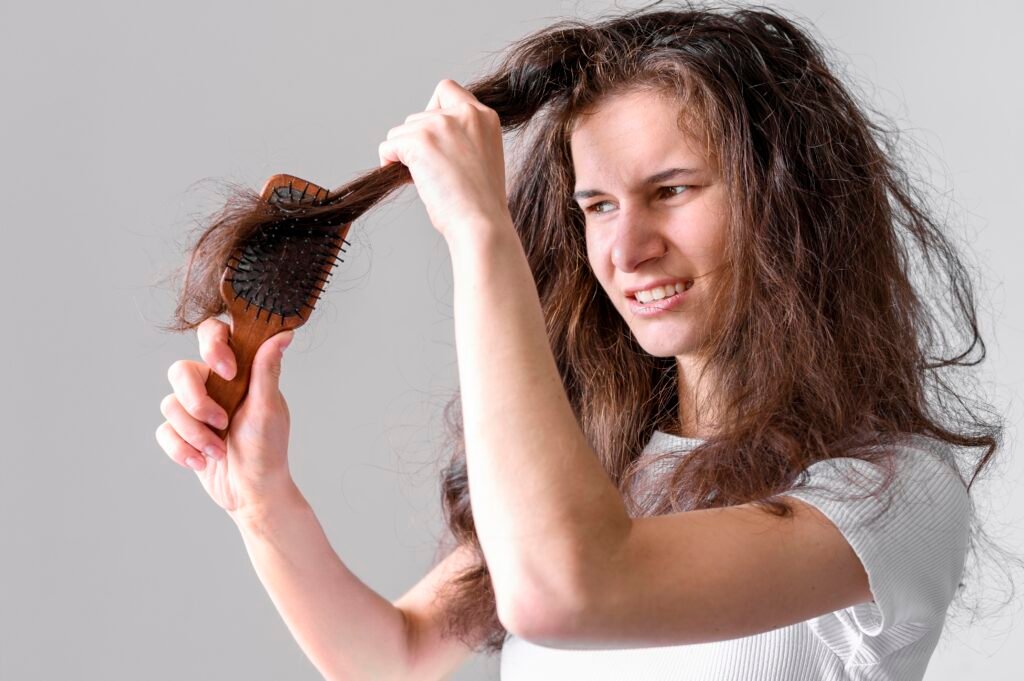
Damaged Hair Isn't the End—It's a Wake-Up Call
Picture this: You’re getting ready for a big event, running your fingers through your hair, only to feel that dreaded crunch. You know the one—dry, brittle strands that seem to snap at the slightest touch. Maybe it happened after one too many beach vacations without protection, or perhaps that platinum blonde transformation didn’t go quite as planned. Sound familiar?
Here’s the thing: you’re not alone. According to hair care specialists, over 85% of women experience some form of hair damage by age 30, whether from heat styling, chemical processing, or environmental stressors. But here’s the plot twist—damaged hair isn’t a life sentence. It’s actually your hair sending you an SOS signal, and with the right knowledge and approach, you can absolutely turn things around.
Think of damaged hair repair as a journey, not a quick fix. Just like nursing a sunburn back to health or rehabilitating a strained muscle, your hair can recover, strengthen, and even thrive again. The key is understanding what went wrong, what your hair needs now, and how to restore hair health from the inside out.
Ready to transform your hair story? Let’s dive into the expert-backed strategies that actually work.
What Causes Hair Damage in the First Place?
Before we can fix the problem, we need to understand what we’re dealing with. Hair damage doesn’t happen overnight—it’s usually the result of cumulative stress on your hair shaft. Let’s break down the biggest culprits:
Heat Styling: The Silent Hair Killer
Your flat iron might be your styling bestie, but it’s also your hair’s worst enemy. Heat damage repair starts with understanding that temperatures above 300°F literally cook your hair’s protein structure. Every time you straighten, curl, or blow-dry without proper protection, you’re essentially breaking down the bonds that keep your hair strong and elastic.
Chemical Processing: Double-Edged Beauty
• Hair coloring (especially bleaching)
• Relaxers and perms
• Keratin treatments
• Highlighting and lowlighting
These processes can give you the look you want, but they also strip away your hair’s natural protective barrier. Hair care after coloring becomes crucial because chemically treated hair is up to 40% more porous than virgin hair.
Environmental Stressors: The Invisible Damage
• UV radiation breaks down hair proteins
• Chlorine from pools strips moisture
• Hard water minerals build up and create brittleness
• Pollution coats hair and clogs follicles
Poor Hair Care Habits: The Hair Care Mistakes We All Make
• Over-washing (stripping natural oils)
• Skipping regular trims
• Using cheap brushes on wet hair
• Sleeping on cotton pillowcases
• Towel-drying with aggressive rubbing
Signs Your Hair Is Damaged (and Needs Help Now)
Not sure if your hair qualifies as “damaged”? Here’s your damage assessment checklist. The more boxes you check, the more urgent your damaged hair repair mission becomes:
The Telltale Signs:
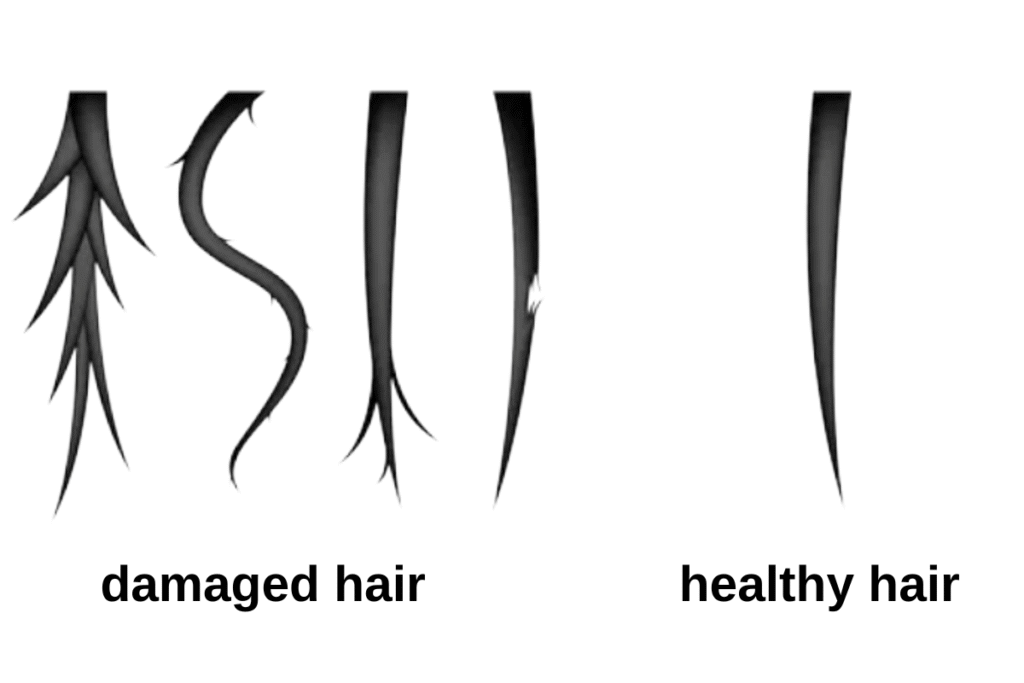
Split Ends That Won’t Quit Those little white dots at the ends of your strands? That’s your hair literally splitting apart. If you can see them without looking closely, it’s time for intervention.
Dry, Straw-Like Texture Healthy hair should feel smooth and slightly cool to the touch. If yours feels rough, brittle, or catches on your fingers, that’s damage talking.
Frizz That Defies All Logic A little frizz is normal, especially in humidity. But if your hair looks like you stuck your finger in an electrical socket even on good weather days, your hair cuticles are likely raised and damaged.
Lack of Shine and Bounce Healthy hair reflects light beautifully. Damaged hair looks dull because the cuticles are too roughed up to reflect light properly.
Excessive Tangling and Shedding Finding more hair in your brush than usual? Or spending ten minutes detangling after every wash? Your hair might be breaking rather than naturally shedding.
Loss of Elasticity Try this test: When your hair is damp, gently stretch a strand. Healthy hair should stretch about 30% and bounce back. If it snaps immediately or stretches but won’t return to its original length, you’ve got damage.
At-Home Treatments That Actually Work
Good news: you don’t need to drop hundreds at the salon to start your hair repair at home journey. Some of the most effective treatments can be whipped up in your kitchen or picked up at your local drugstore.
Weekly Deep Conditioning: Your New Best Friend
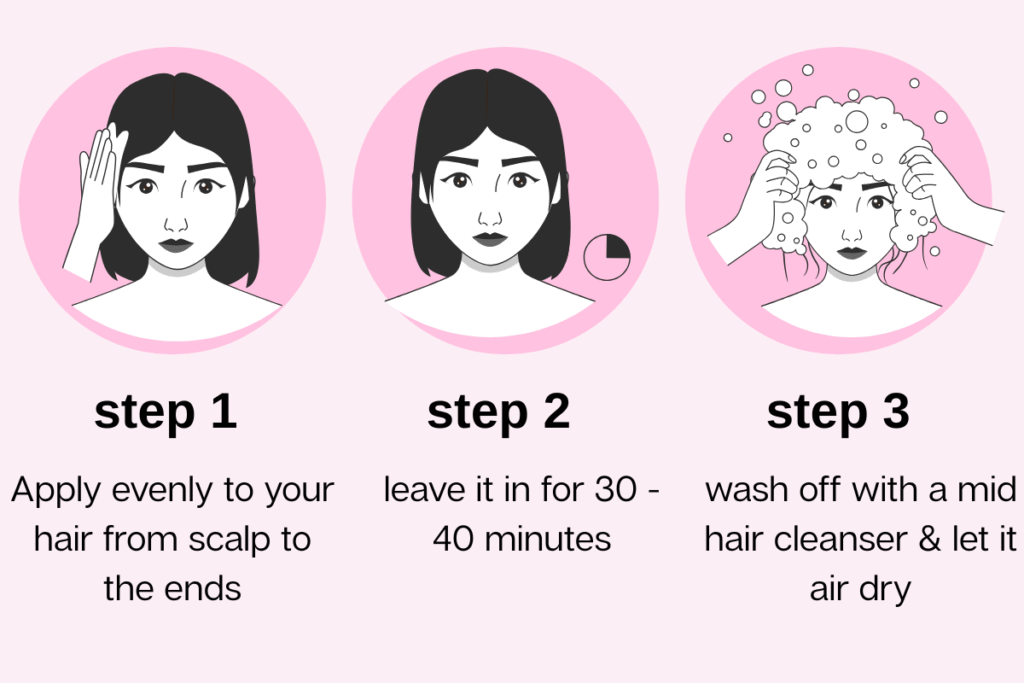
Deep conditioning for damaged hair isn’t just a nice-to-have—it’s essential. Here’s how to do it right:
1. Choose your weapon: Look for masks with ceramides, proteins, or natural oils
2. Apply to damp (not soaking) hair: This helps the product penetrate better
3. Focus on mid-lengths to ends: Your scalp produces its own oils
4. Leave on for 15-20 minutes: Some need heat, others don’t—read the instructions
5. Rinse with cool water: This seals the cuticles and locks in moisture
DIY Masks That Actually Deliver
The Protein Power Pack (for weak, breaking hair):
- 1 egg yolk
- 1 tablespoon olive oil
- 1 teaspoon honey Mix, apply for 20 minutes, rinse with cool water
The Moisture Bomb (for dry, brittle hair):
- 2 tablespoons coconut oil (melted)
- 1 ripe avocado
- 1 tablespoon honey Blend until smooth, apply for 30 minutes
Hot Oil Treatments: Old School, New Results
Heat 2-3 tablespoons of oil (coconut, argan, or jojoba work beautifully) until warm (not hot!). Apply from mid-length to ends, cover with a shower cap, and relax for 30-45 minutes. This treatment helps seal the hair cuticle and adds serious moisture.
The Overnight Game-Changer
Apply a leave-in treatment or lightweight oil to damp hair before bed, then braid or twist gently. You’ll wake up with softer, more manageable hair. It’s like beauty sleep for your strands.
Strengthen from the Inside Out with Protein and Moisture Balance
Here’s where things get scientific (but stay with me—this is the game-changer). Your hair is about 91% protein, specifically keratin. When hair gets damaged, these protein bonds break down. But here’s the tricky part: hair also needs moisture to stay flexible and elastic.
Understanding the Balance
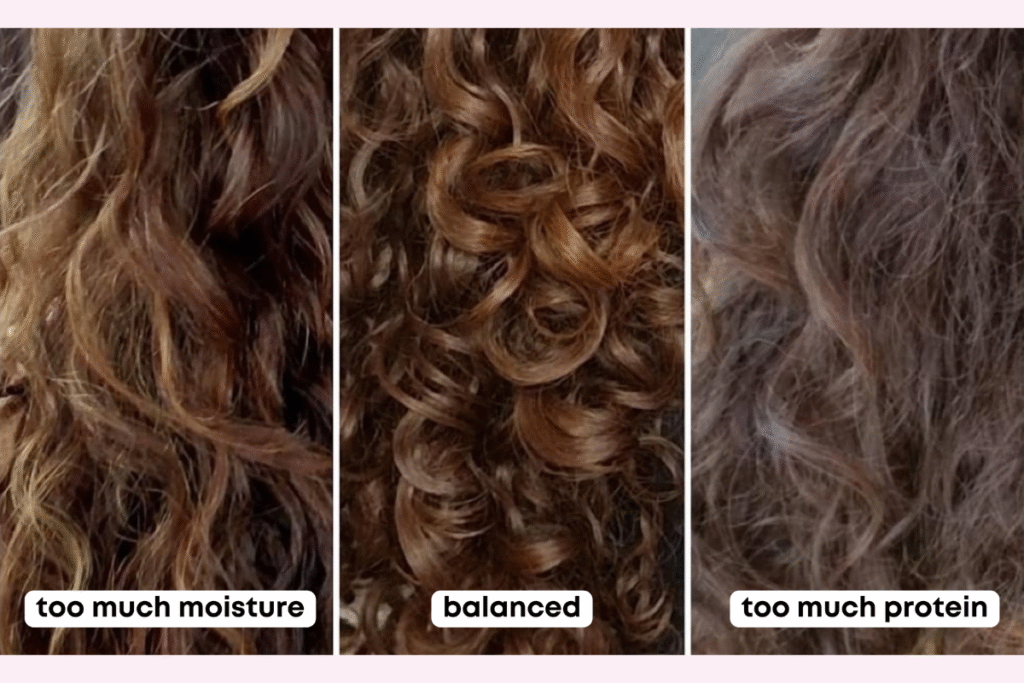
Think of your hair like a rubber band. Too much protein makes it strong but brittle (like an old rubber band that snaps easily). Too much moisture makes it stretchy but weak (like a rubber band that’s lost its bounce). Hair strengthening tips always come back to finding this perfect balance.
Signs You Need More Protein:
- Hair feels rough and straw-like
- Snaps easily when stretched
- Looks dull and lacks shine
- Tangles constantly
The Protein-Moisture Schedule
Week 1: Protein treatment for hair (look for hydrolyzed proteins, keratin, or silk amino acids) Week 2: Deep moisture treatment Week 3: Protein treatment Week 4: Deep moisture treatment
Adjust based on your hair’s response. Curly and coily hair typically needs more moisture, while fine or chemically treated hair often needs more protein.
Top Hair Masks & Treatments for Serious Repair
When your hair needs professional-level help, these powerhouse products deliver salon-quality results at home. Here are the best hair masks that consistently earn rave reviews from both stylists and real users:
The Bond Builders
Olaplex No. 3 Hair Perfector
- What it does: Rebuilds broken disulfide bonds in chemically damaged hair
- Best for: Bleached, colored, or chemically processed hair
- How to use: Apply to damp hair for 10+ minutes before shampooing
- Pro tip: The longer you leave it on, the better it works
K18 Leave-In Molecular Repair Hair Mask
- What it does: Penetrates deep to reverse damage at the molecular level
- Best for: All hair types, especially heat and color-damaged
- How to use: Apply to clean, damp hair and style as usual
- Why we love it: Works in just 4 minutes
The Moisture Powerhouses
Briogeo Don’t Despair, Repair! Deep Conditioning Mask
- What it does: Delivers intense hydration with algae extract and B-vitamins
- Best for: Dry, brittle, or over-processed hair
- Key ingredients: Rosehip oil, algae extract, and biotin
- Bonus: Vegan and cruelty-free
Moroccanoil Intense Hydrating Mask
- What it does: Restores moisture and elasticity with argan oil
- Best for: Medium to thick hair that’s lost its luster
- How to use: Weekly for 5-7 minutes, or as needed
- Pro tip: Use a wide-tooth comb to distribute evenly
The All-In-One Heroes
Living Proof Restore Mask
- What it does: Repairs, strengthens, and protects in one step
- Best for: All damaged hair types
- Key technology: Patented molecule that acts like a protective shield
- Results: Noticeably softer hair after just one use
Repairing Heat-Damaged Hair: What Works and What Doesn't
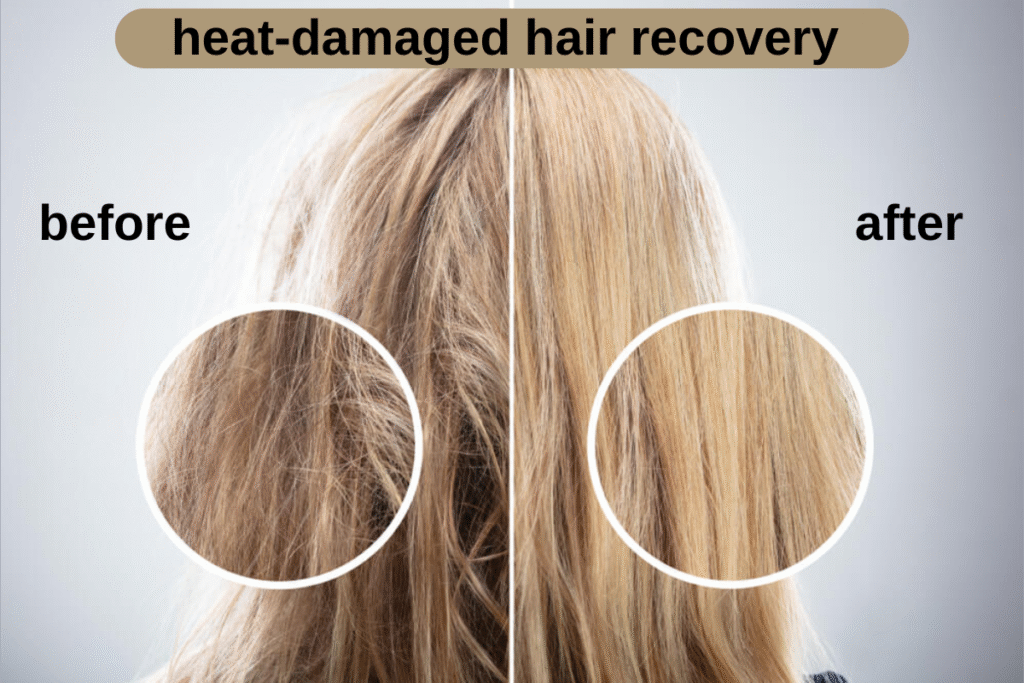
Heat damage repair is tricky because once the protein structure is altered, you can’t technically “undo” it—but you can absolutely improve how your hair looks and feels while preventing further damage.
What Actually Works:
Cut Your Losses (Literally) I know, I know—nobody wants to hear “cut it off.” But trimming away the most damaged ends is the fastest way to see improvement. You don’t need to chop it all off; even removing 1-2 inches can make a dramatic difference.
Lower the Heat (or Cut It Out Completely) If you can’t give up your hot tools entirely, at least turn down the temperature. Fine hair should never exceed 300°F, while thick hair can handle up to 350°F—but always use a heat protectant.
Embrace Air-Drying Techniques
- Plopping for curly hair
- Braiding damp hair for waves
- Twist-outs for texture without heat
- Velcro rollers for volume
The Heat-Damage Recovery Routine:
- Weekly protein treatments to rebuild structure
- Bi-weekly moisture masks to restore flexibility
- Daily leave-in conditioner with heat protection
- Silk pillowcases to reduce friction
- Microfiber towels instead of regular terry cloth
What Doesn’t Work:
• Miracle “heat damage erasers” (if it sounds too good to be true…)
• Using more heat to “fix” the damage
• Skipping regular trims hoping the damage will resolve itself
• Over-conditioning without addressing protein needs
Hair Care After Coloring or Bleaching
Color-treated hair requires a completely different approach because the chemical process permanently alters your hair’s structure. Hair care after coloring isn’t just about preserving your shade—it’s about preventing your hair from literally falling apart.
The First 72 Hours Are Critical
Your hair cuticles remain slightly open for 48-72 hours after coloring, making this window crucial for both color longevity and hair health:
- Wait before washing: Give your hair at least 48 hours to “set”
- Use cool water only: Hot water opens cuticles and fades color faster
- Avoid heat styling: Your hair is extra vulnerable right now
- Sleep on silk: Reduce friction and color transfer
Your New Color-Safe Routine
Sulfate-Free Everything Sulfates strip color faster than anything else. Look for gentle cleansers with ingredients like cocamidopropyl betaine or sodium cocoyl isethionate.
Purple Power for Blondes Best hair masks for blonde hair include purple or blue pigments that neutralize brassiness:
- Use once a week (more if you’re platinum)
- Leave on for 3-5 minutes max
- Follow with a hydrating conditioner
Weekly Moisture Interventions Colored hair loses moisture 40% faster than virgin hair, so weekly deep conditioning isn’t optional—it’s survival.
The Color-Protecting Stack:
- Color-safe shampoo (2-3 times per week max)
- Hydrating conditioner (every wash)
- Weekly deep conditioning mask
- Daily leave-in with UV protection
- Heat protectant (always, even for blow-drying)
Common Hair Care Mistakes That Make Damage Worse
Even with the best intentions, these hair care mistakes can sabotage your repair efforts. Let’s fix them:
Mistake #1: Aggressive Towel Drying
What you’re doing: Rubbing wet hair vigorously with a regular towel Why it’s damaging: Wet hair is 3x more fragile than dry hair Do this instead: Gently squeeze with a microfiber towel or cotton t-shirt
Mistake #2: Brushing Wet Hair with the Wrong Tools
What you’re doing: Using a regular brush on soaking wet hair Why it’s damaging: Causes breakage and stretching Do this instead: Use a wide-tooth comb or wet brush, starting from the ends
Mistake #3: Daily Washing with Hot Water
What you’re doing: Shampooing every day with steaming hot water Why it’s damaging: Strips natural oils and raises cuticles Do this instead: Wash 2-3 times per week with lukewarm water, cold rinse
Mistake #4: Skipping Regular Trims
What you’re doing: Avoiding cuts to “save length” Why it’s counterproductive: Split ends travel up the hair shaft Do this instead: Trim every 6-8 weeks, even if it’s just a dusting
Mistake #5: Protein Overload
What you’re doing: Using protein treatments daily because “more is better” Why it’s damaging: Makes hair brittle and prone to breakage Do this instead: Use protein treatments weekly max, balance with moisture
Mistake #6: Ignoring Your Hair Type
What you’re doing: Using products designed for someone else’s hair Why it’s ineffective: Fine hair needs different care than thick hair Do this instead: Choose products specifically formulated for your hair type and concerns
Expert Tips for Long-Term Hair Health & Prevention
Prevention is always easier than repair. Here’s how to restore hair health and maintain it for the long haul:
Invest in Quality Tools and Products
Heat Protectant Is Non-Negotiable Look for products with silicones (dimethicone, cyclopentasiloxane) or newer alternatives like plant-based oils. Apply to damp hair before any heat styling.
Upgrade Your Pillowcase Silk or satin pillowcases reduce friction by up to 43% compared to cotton. Less friction means less breakage, frizz, and morning tangles.
Choose the Right Brush
- Boar bristle brushes for distributing natural oils
- Wide-tooth combs for detangling wet hair
- Wet brushes for gentle detangling
- Round ceramic brushes for heat styling
Scalp Care: The Foundation of Healthy Hair
Your scalp is literally the soil where healthy hair grows. Hair strengthening tips always include scalp care:
- Weekly clarifying to remove buildup
- Scalp massage to increase circulation
- Exfoliating scrubs monthly to remove dead skin cells
- Scalp serums with ingredients like niacinamide or caffeine
Nutrition for Hair Health
What you eat directly impacts your hair’s strength and growth:
- Protein: Hair is protein, so eat adequate amounts (0.8g per kg body weight)
- Iron: Low iron is linked to hair loss and weak strands
- Omega-3s: Found in fish, flaxseed, and walnuts for shine and strength
- Biotin and B-vitamins: Support healthy hair growth
- Zinc: Deficiency can cause hair thinning and breakage
The 6-8 Week Rule
Avoid overlapping chemical treatments. Whether it’s color, relaxers, or perms, give your hair at least 6-8 weeks to recover between major chemical processes.
FAQs About Hair Damage Repair
How long does it take to repair damaged hair?
It depends on the severity of damage, but most people see improvement in 4-6 weeks with consistent care. Complete repair can take 3-6 months since you’re essentially growing out the damage and replacing it with healthier hair.
Can split ends be repaired without cutting?
Unfortunately, no. Once the hair shaft splits, the only way to truly “repair” it is to cut above the split. However, treatments can temporarily seal splits and prevent them from traveling up the hair shaft.
Do protein treatments make hair stronger?
Yes, when used correctly. Protein treatment for hair can rebuild damaged bonds and strengthen weak areas. However, too much protein can make hair brittle, so balance is key.
How often should I deep condition damaged hair?
For severely damaged hair, deep condition 1-2 times per week. As your hair improves, you can reduce to once a week for maintenance. Always follow package directions, as some masks are designed for weekly use while others can be used more frequently.
Can I dye my hair while repairing it?
It’s best to focus on repair first, then color. If you must color during repair, choose gentler options like semi-permanent color or highlights instead of all-over bleaching. Always do a strand test and consider professional application.
Start Healing Your Hair Today: Your Action Plan
Here’s the truth: damaged hair repair isn’t about finding one magic product or treatment. It’s about understanding what your hair needs, being consistent with your care routine, and having patience with the process.
Your hair didn’t get damaged overnight, and it won’t heal overnight either. But with the right approach—balancing protein and moisture, protecting from further damage, and nourishing from the inside out—you absolutely can restore hair health and get back to loving your locks.
Remember, every strand of healthy new growth is a victory. Every week without heat damage is progress. Every deep conditioning session is an investment in your hair’s future.
Ready to Transform Your Hair?
Start with these three simple steps this week:
- Assess your damage using our checklist above
- Choose one new treatment to try (protein if your hair is weak, moisture if it’s dry)
- Eliminate one damaging habit (daily washing, daily heat styling, or rough towel drying)
Your future self—and your hair—will thank you.
What’s been your biggest hair care mistake? Share in the comments below—chances are, you’re not alone, and your experience could help someone else on their hair repair journey!