
Why Thinning Hair Deserves Real Solutions
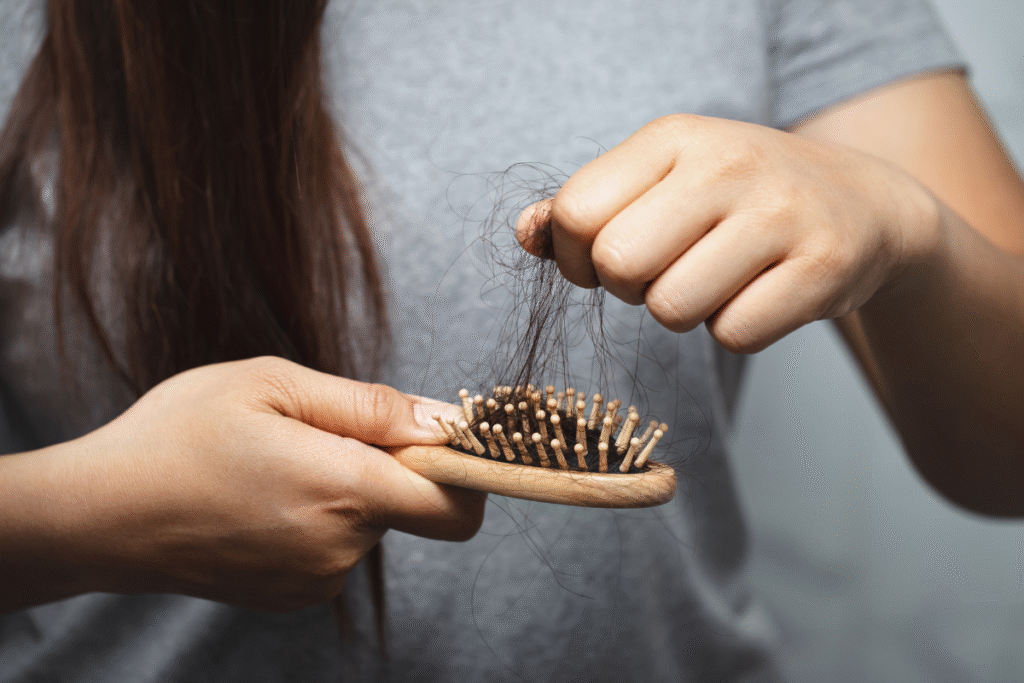
Noticed more hair swirling down the drain lately? You’re definitely not alone. Here’s a stat that might surprise you: over 50% of women and 85% of men will experience some form of hair thinning by age 50. But here’s what shouldn’t surprise you—feeling frustrated, self-conscious, or downright defeated when your once-thick mane starts looking more like a gentle whisper.
The good news? Thinning hair doesn’t have to be your hair story’s final chapter. With the right hair loss solutions and hair strengthening products, you can genuinely turn things around. I’m not talking about miracle cures or overnight transformations (those don’t exist, despite what some Instagram ads claim). I’m talking about science-backed products that work with your scalp’s natural processes to encourage healthier, fuller hair growth.
In this guide, we’re diving deep into the products that actually deliver results—from hair fall control shampoos to targeted serums that wake up sleepy follicles. Think of this as your roadmap from “where did all my hair go?” to “hello, gorgeous.”
Understanding the Root Cause of Hair Thinning
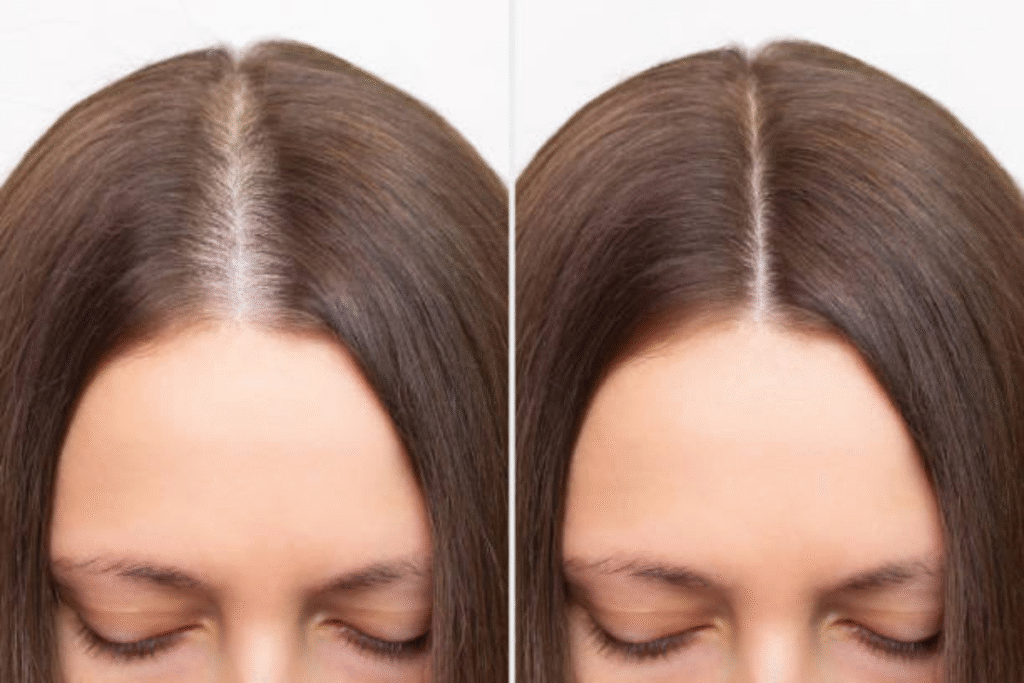
Before we jump into product recommendations, let’s talk about why your hair decided to peace out in the first place. Understanding the “why” is crucial for choosing the right hair loss solutions that actually address your specific situation.
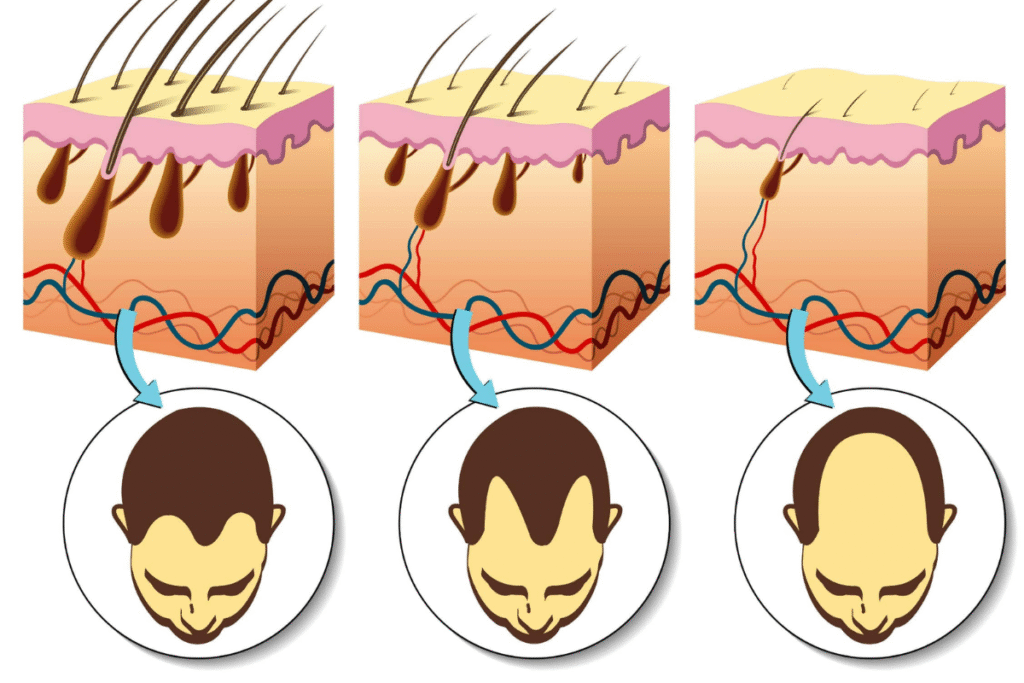
Genetic factors are the biggest culprit—androgenetic alopecia affects about 95% of hair loss cases. Think of it as your follicles gradually becoming more sensitive to DHT (dihydrotestosterone), a hormone that essentially tells your hair “time’s up.” This is why DHT blocker shampoos have become such game-changers.
Hormonal shifts are another major player, especially for women. Pregnancy, postpartum recovery, menopause, or even switching birth control can send your hair into shedding overdrive. Your follicles are basically having an identity crisis.
Poor scalp health is like trying to grow a garden in bad soil—it’s not happening. Clogged follicles, inflammation, or an imbalanced scalp microbiome can seriously impede growth. This is where proper scalp care for hair loss becomes essential.
Finally, there’s the perfect storm of stress, nutrition gaps, and styling damage. Chronic stress literally shrinks your follicles, while deficiencies in iron, protein, or B-vitamins leave your hair structurally weak. Add heat styling and tight hairstyles to the mix, and you’ve got a recipe for breakage.
The key takeaway? Most hair thinning is multifactorial, which means the most effective approach combines targeted products with lifestyle adjustments.
Key Ingredients to Look for in Hair Loss Products
Let’s decode the ingredient labels so you can spot the real MVPs from the marketing fluff. Effective hair regrowth treatments aren’t magic—they’re science, and these ingredients have the research to prove it.
Biotin is probably the most famous hair supplement ingredient, and for good reason. This B-vitamin supports keratin infrastructure—basically the building blocks of your hair. While biotin for hair won’t single-handedly solve genetic hair loss, it’s excellent for strengthening what you’ve got and supporting overall hair health.
Caffeine isn’t just for your morning pick-me-up. When applied topically, it stimulates blood circulation to follicles and can actually counteract some of the shrinking effects of DHT. German research shows it can extend the hair growth phase by up to 37%.
Minoxidil is the heavyweight champion—the only FDA-approved topical ingredient proven to regrow hair. It works by widening blood vessels around follicles, delivering more nutrients and oxygen. You’ll find it in concentrations from 2% to 5%.
Ketoconazole might sound intimidating, but this antifungal ingredient is fantastic for scalp health. It fights inflammation and dandruff while having mild anti-DHT properties. You’ll often find it in DHT blocker shampoos.
Saw Palmetto is nature’s answer to DHT blocking. This plant extract can inhibit the enzyme that converts testosterone to DHT, potentially slowing hair loss at its source.
Peptides and proteins work on the structural level, literally patching up damaged hair cuticles and strengthening the hair shaft from the inside out. Think of them as your hair’s personal construction crew.
Best Hair Growth Shampoos and Conditioners
Here’s where the rubber meets the road—or rather, where the shampoo meets the scalp. The right hair growth shampoo doesn’t just cleanse; it creates an optimal environment for growth while gently removing DHT buildup and excess sebum.
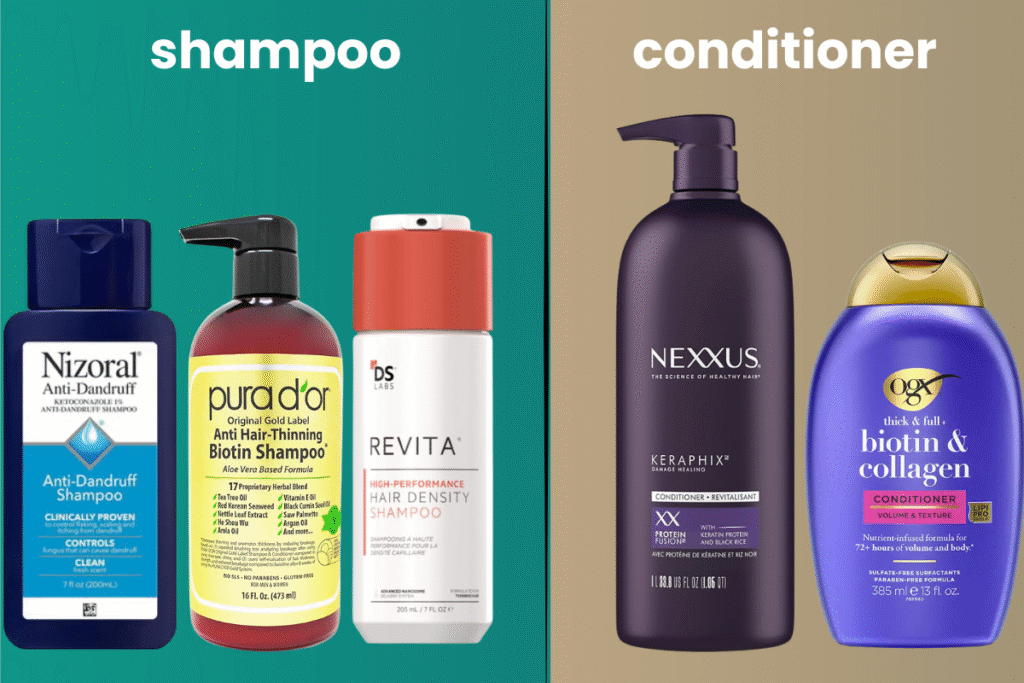
Nizoral A-D Anti-Dandruff Shampoo is my top pick for oily, flaky scalps. The 1% ketoconazole fights inflammation and has mild DHT-blocking properties. Use it 2-3 times per week, alternating with a gentler daily shampoo. Pro tip: let it sit for 3-5 minutes before rinsing for maximum benefit.
Pura D’Or Original Gold Label Anti-Thinning Shampoo is perfect if you prefer natural formulations. Packed with biotin, saw palmetto, and argan oil, it’s gentle enough for daily use while delivering growth-supporting nutrients. Amazon reviewers consistently rate it 4.3+ stars.
Revita High-Performance Hair Stimulating Shampoo is the premium option, featuring caffeine, peptides, and apple stem cells. It’s pricier, but dermatologist-recommended and clinically tested. Best for those ready to invest in a comprehensive system.
For best products for thinning hair in the conditioner category, look for lightweight formulas that won’t weigh down fine strands. Nexxus Keraphix Conditioner uses keratin protein to fill in hair’s microscopic gaps, while OGX Biotin & Collagen Conditioner adds volume without heaviness.
Table: Shampoo Comparison
| Product | Key Ingredient | Best For | Price Range |
|---|---|---|---|
|
Nizoral A-D
|
Ketoconazole
|
Oily/flaky scalp
|
$ |
|
Pura D’Or Gold
|
Saw Palmetto + Biotin
|
Natural approach
|
$$
|
|
Revita
|
Caffeine + Peptides
|
Premium results
|
$$$
|
Anti-Hair Loss Serums and Scalp Treatments
If shampoos are your daily maintenance crew, think of serums as your specialized task force. These concentrated anti-hair loss serums and hair regrowth treatments deliver active ingredients directly to follicles for maximum impact.
Women’s Rogaine 5% Minoxidil Foam remains the gold standard for a reason—it’s FDA-approved and clinically proven to regrow hair in 81% of women after 16 weeks. The foam formula absorbs quickly without greasiness. Apply twice daily to a completely dry scalp and resist the urge to style for at least an hour.
The Ordinary Multi-Peptide Serum for Hair Density has become a cult favorite for its affordable price point and impressive ingredient list. The peptides and plant extracts work synergistically to strengthen existing hair while encouraging new growth. At under $15, it’s worth trying for 90 days.
Nutrafol Root Purifier is perfect for those dealing with scalp buildup. This weekly treatment unclogs follicles while delivering ashwagandha and marine botanicals. Think of it as a detox for your scalp.
Application Pro Tips for Maximum Results:
- Always apply to a clean, dry scalp
- Use the dropper or applicator to part hair and apply directly to the scalp, not the hair strands
- Massage gently for 2-3 minutes to boost circulation
- Don’t wash your hair for at least 4 hours after application
Remember, scalp care for hair loss requires patience. Most serums need 12-16 weeks of consistent use before you’ll see significant results. Take progress photos every month—hair growth is subtle and you might not notice daily changes.
Hair Thickening & Strengthening Products That Actually Work
While you’re waiting for new growth to appear, hair thickening products can give you that fuller look immediately. These aren’t just cosmetic tricks—the best ones actually fortify your existing strands while creating volume.
Living Proof Full Thickening Mousse uses patented PBAE molecule technology to literally plump each hair strand from the inside. Apply to damp hair, then blow-dry with a round brush for maximum lift.
Olaplex No. 3 Hair Perfector belongs in every thinning hair routine. This hair strengthening product rebuilds broken disulfide bonds, making fragile hair significantly stronger. Use weekly as a pre-shampoo treatment for best results.
Kenra Platinum Thickening Spray is my secret weapon for instant volume. The lightweight formula contains polymers that coat each strand, creating the appearance of 30% thicker hair. Spray on damp roots, then style as usual.
Quick Styling Tricks for Fuller-Looking Hair:
- Blow-dry upside down for natural root lift
- Use a wide-tooth comb when hair is wet to prevent breakage
- Sleep on silk or satin pillowcases to reduce friction
- Try the “crown teasing” technique—gently backcomb just the top layer for instant volume
The goal isn’t to create a helmet of hairspray-stiff locks. These products work best when they enhance your hair’s natural texture while providing structural support.
Natural Remedies & Lifestyle Tips for Hair Fall Control
Sometimes the best hair fall control strategies come from your kitchen cabinet, not the beauty aisle. These natural hair loss remedies can beautifully complement your product routine—think of them as your hair’s support system.
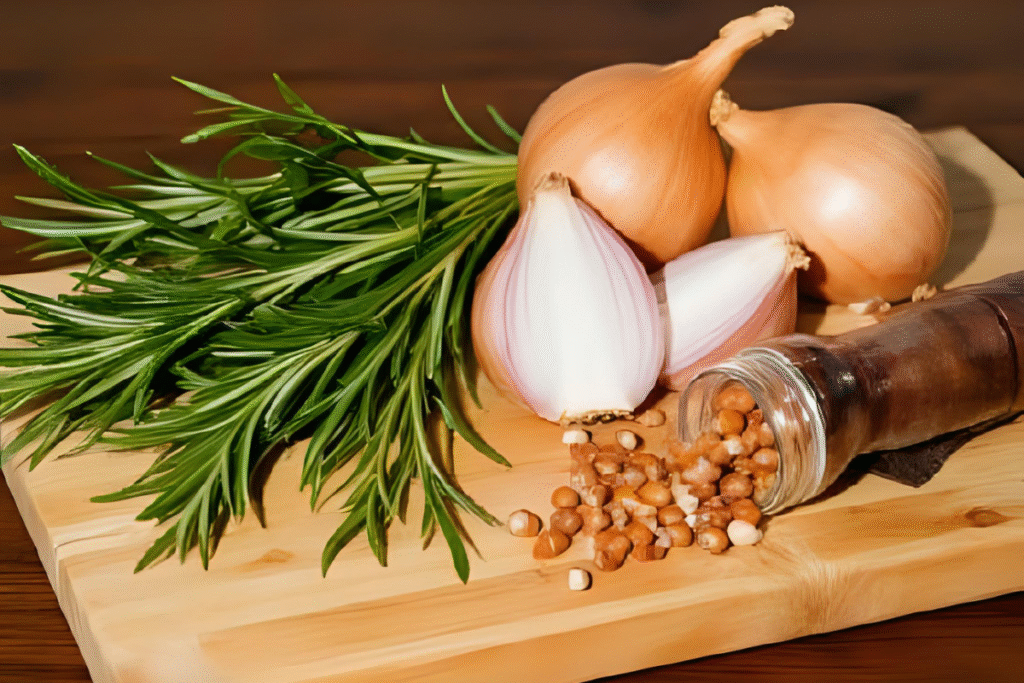
Rosemary oil is having a major moment, and rightfully so. A 2015 study found it performed just as well as 2% minoxidil for hair regrowth. Mix 5-10 drops with a carrier oil like jojoba, massage into your scalp, and leave on for at least 30 minutes before shampooing.
Scalp massage might seem too simple to work, but 4 minutes of daily massage can increase hair thickness by up to 69% after 24 weeks. Use your fingertips (not nails) to apply gentle pressure in circular motions. Pro tip: do this while watching Netflix—multitasking at its finest.
Onion juice sounds terrible but works wonderfully. The sulfur compounds boost collagen production and improve circulation. Blend one onion, strain the juice, apply to scalp for 15 minutes, then shampoo. Yes, you’ll smell like a salad, but the results speak for themselves.
Diet plays a huge role in hair health. Focus on:
- Protein: eggs, fish, legumes (your hair is literally made of protein)
- Iron: spinach, red meat, pumpkin seeds (iron deficiency is a major cause of hair loss)
- Zinc: oysters, nuts, seeds (zinc deficiency can trigger telogen effluvium)
- Biotin: eggs, avocados, sweet potatoes
Stress management isn’t just good for your sanity—chronic stress literally shrinks hair follicles. Whether it’s meditation, yoga, or just walking your dog, find what works for you and make it non-negotiable.
Common Mistakes That Make Hair Loss Worse
Let’s talk about the well-intentioned habits that might be sabotaging your progress. Even with the best products, these mistakes can stall your hair fall control efforts.
Overwashing or using harsh shampoos strips your scalp’s natural oils, leading to increased oil production and potential irritation. If you have thinning hair, stick to washing every other day or every third day, using sulfate-free formulas.
Tight hairstyles might look sleek, but they’re literally pulling your hair out. Traction alopecia is real, and it’s often irreversible. Loosen up those ponytails, give your hairline a break from slicked-back styles, and sleep with your hair loose when possible.
Heat and chemical styling weakens already fragile strands. If you must use heat tools, never skip the heat protectant, and try to air-dry at least twice a week. Chemical treatments like perms or relaxers should be spaced at least 12 weeks apart.
Skipping scalp care is like ignoring the soil in your garden. A clogged, inflamed scalp can’t support healthy growth. Use a clarifying shampoo weekly and consider adding a scalp scrub to your routine.
Switching products too often prevents you from seeing real results. Hair growth happens in cycles, and most products need 3-4 months of consistent use before you can judge their effectiveness. Resist the urge to try every new launch.
Expert Tips for Getting the Best Results
Ready to maximize your hair regrowth treatments? These insider tips can significantly boost your results.
Document your journey with monthly progress photos taken in the same lighting, same angle, same day of your wash cycle. Hair growth is slow, and you might not notice gradual improvements without visual proof.
Commit to one system for at least 90 days. This means choosing a shampoo, serum, and any supplements, then sticking with them religiously. Your follicles need time to respond and adjust.
Layer your treatments strategically. Use a DHT-blocking shampoo 2-3 times per week, apply growth serum daily, and incorporate a scalp treatment weekly. More isn’t always better—over-treating can cause irritation.
Consider the inside-out approach. Combine topical treatments with quality biotin for hair supplements, omega-3s, and a multivitamin designed for hair health. Your follicles need proper nutrition to produce strong strands.
Track your hair wash days, product applications, and any changes in a simple journal or phone app. This helps you identify what’s working and catch any potential irritation early.
Consult a trichologist or dermatologist if you’re not seeing results after 6 months, or if you notice sudden, patchy hair loss. Sometimes underlying conditions need medical intervention.

FAQs About Hair Loss Products
Do hair regrowth shampoos really work? Yes, but with realistic expectations. Shampoos with active ingredients like ketoconazole or caffeine can improve scalp health and potentially slow hair loss, but they won’t dramatically regrow hair on their own. Think of them as essential foundation products that support other treatments.
Can I use multiple products at once? Absolutely, and it’s often recommended. A typical routine might include a DHT-blocking shampoo, growth-stimulating serum, and strengthening conditioner. Just introduce new products one at a time to avoid irritation.
How long does it take to see results? Patience is key. You might notice less shedding within 4-6 weeks, but visible regrowth typically takes 3-4 months of consistent use. Hair grows about half an inch per month, so new growth needs time to become noticeable.
Is hair loss permanent? It depends on the cause. Genetic hair loss (androgenetic alopecia) is progressive but can often be slowed or partially reversed with treatment. Hair loss from stress, nutrition, or hormonal changes is usually temporary once the underlying issue is addressed.
Are natural remedies effective? Some natural ingredients like rosemary oil and saw palmetto have solid research backing their effectiveness. However, they typically work best as part of a comprehensive routine rather than standalone solutions.
Conclusion: Your Hair Comeback Starts Now
Here’s the truth about thinning hair: it’s not a life sentence, and you’re not powerless against it. The best products for thinning hair work when you understand your specific type of hair loss and commit to a consistent routine.
Whether you start with a DHT-blocking shampoo and growth serum combo, or dive into a full routine including scalp treatments and natural remedies, the key is starting. Your hair follicles are remarkably resilient—they just need the right support to do their job.
Remember, this isn’t about chasing perfection or comparing yourself to filtered Instagram photos. It’s about feeling confident and comfortable in your own skin (and hair). Every strand you save, every bit of new growth you encourage, is a win worth celebrating.
Ready to take action? Pick one shampoo and one serum from our recommendations above, commit to using them consistently for 60 days, and document your progress. Your future self—with fuller, stronger hair—will thank you.
Have you tried any of these hair loss solutions? Drop a comment below and share your experience, or let us know what questions you still have. We’re all in this together, and your story might be exactly what someone else needs to hear.