
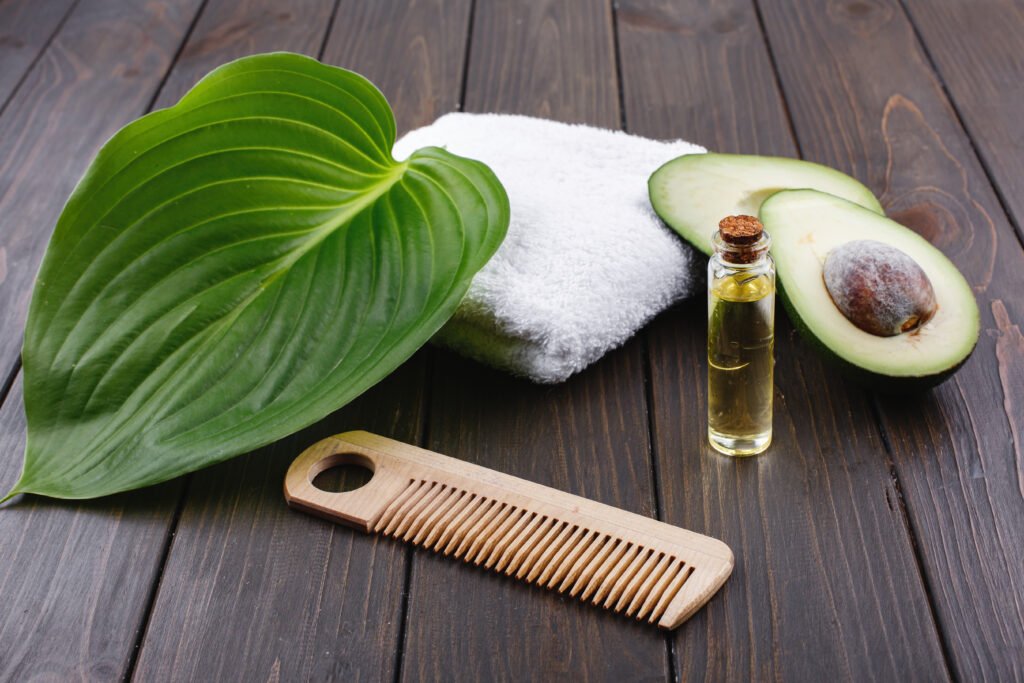
Why Natural Hair Care Is Worth It
Ever flipped your shampoo bottle and couldn’t pronounce half the ingredients? You’re not alone. That unpronounceable cocktail of chemicals might be doing more harm than good to your precious locks.
Here’s a stat that might surprise you: the organic hair care market has grown by 47% in just the past three years, with women aged 18-45 leading the charge toward natural hair care solutions. We’re collectively waking up to the fact that our hair—like our skin—deserves ingredients we can actually trust.
I’ll be honest with you: I used to be a product junkie. My bathroom cabinet looked like a chemistry lab, filled with sulfate-heavy shampoos and silicone-packed conditioners that promised miracle transformations. The reality? My hair felt increasingly dry, my scalp was irritated, and I was spending a fortune on products that created more problems than they solved.
The shift to chemical-free hair care changed everything. Not only did my hair become healthier and more manageable, but I also discovered that many organic hair products are surprisingly multifunctional—meaning fewer bottles cluttering your shower and more money in your pocket.
In this guide, you’ll discover the top 10 natural ingredients that can transform your hair routine. These aren’t trendy fads; they’re time-tested ingredients backed by both science and centuries of traditional use. Whether you’re dealing with dryness, breakage, slow growth, or scalp issues, there’s a natural solution waiting for you.

What Makes an Ingredient Truly "Natural"?
Not all “natural” labels are created equal—and the beauty industry knows this. Just because something says “natural” on the front doesn’t mean it’s free from synthetic additives or harsh processing methods.
True natural ingredients for hair are minimally processed, plant-derived substances that retain their beneficial compounds. Think cold-pressed oils, botanical extracts, and herb-infused treatments rather than lab-created molecules with plant-sounding names.
Here’s what to watch out for when shopping for organic hair products:
Red Flag Ingredients to Avoid:
- Sulfates (sodium lauryl sulfate, sodium laureth sulfate) – strip natural oils aggressively
- Silicones (dimethicone, cyclopentasiloxane) – create temporary smoothness but cause long-term buildup
- Parabens (methylparaben, propylparaben) – preservatives linked to hormone disruption
- Formaldehyde-releasing agents (DMDM hydantoin, quaternium-15) – potential carcinogens
- Synthetic fragrances – often contain phthalates and allergens
The key is reading ingredient lists like a detective. If you can’t pronounce it or it sounds like something from chemistry class, there’s probably a gentler, more effective natural alternative.
Benefits of Switching to Natural Ingredients
Making the switch to natural hair care isn’t just about avoiding harsh chemicals—it’s about giving your hair what it actually needs to thrive. Think of it like switching from fast food to home-cooked meals; your hair will thank you in ways you didn’t expect.
The Science-Backed Benefits:
• Improved scalp health – Natural ingredients work with your scalp’s natural pH balance rather than disrupting it
• Reduced product buildup – No more weekly clarifying treatments to strip away silicone residue
• Enhanced natural texture – Your hair’s true personality can finally shine through
• Long-term cost savings – Many natural ingredients serve multiple purposes
• Environmental friendliness – Biodegradable ingredients that don’t harm waterways
• Gentler on sensitive skin – Fewer allergic reactions and irritation
Dr. Sarah Chen, a board-certified dermatologist specializing in hair health, puts it this way: “Natural ingredients tend to work in harmony with your hair’s existing structure rather than coating or temporarily altering it. This leads to sustainable improvements rather than quick fixes that require constant maintenance.”
The transformation isn’t always instant—chemical-free hair care requires patience as your hair detoxes from years of synthetic buildup. But stick with it for 6-8 weeks, and you’ll likely notice softer, shinier, and more manageable hair that looks healthy from root to tip.

Top 10 Natural Ingredients for Healthier Hair
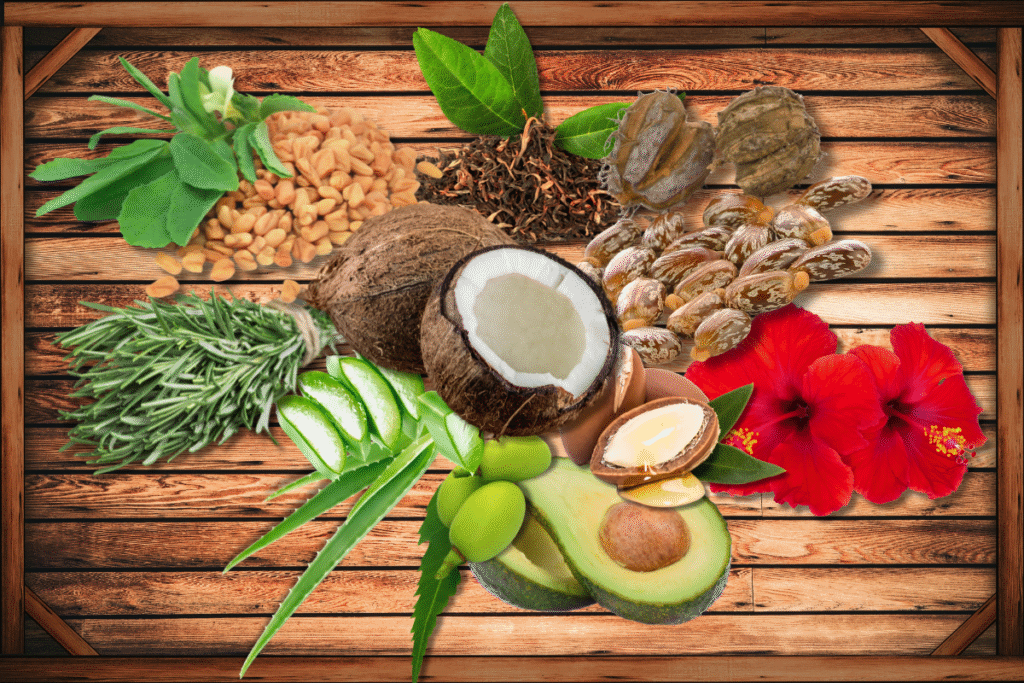
These ten powerhouse ingredients have earned their reputation through both scientific research and generations of traditional use. Each offers unique benefits, and many work beautifully in combination.
1. Coconut Oil – The Ultimate Multi-Tasker
Coconut oil for hair isn’t just a trend—it’s one of the few oils scientifically proven to actually penetrate the hair shaft rather than just sitting on top. This tropical treasure is packed with lauric acid, which has a molecular structure small enough to get inside your hair strands.
What it does: Deep conditioning, protein loss prevention, natural UV protection, dandruff control Best for: All hair types, especially damaged or chemically-treated hair How to use: Apply to damp hair as a pre-shampoo treatment, leave for 30 minutes to overnight
Pro tip: Warm coconut oil slightly for better absorption, but test the temperature on your wrist first.
2. Argan Oil – Liquid Gold for Frizz Control
Straight from Morocco’s argan trees, this precious oil delivers argan oil hair benefits that have made it a staple in luxury salons worldwide. Rich in vitamin E, essential fatty acids, and antioxidants, it’s particularly effective for taming unruly hair.
What it does: Smooths frizz, adds shine without greasiness, protects from heat damage, repairs split ends Best for: Curly, frizzy, or chemically-processed hair How to use: 2-3 drops on damp hair, focusing on mid-lengths and ends
Look for 100% pure argan oil—many commercial products are heavily diluted.
3. Aloe Vera – The Scalp Soother
Aloe vera for hair care goes way beyond sunburn relief. This succulent plant contains proteolytic enzymes that repair dead skin cells on the scalp, plus amino acids that smooth hair cuticles for natural shine.
What it does: Soothes irritated scalp, controls dandruff, adds moisture without heaviness, promotes healthy growth environment Best for: Sensitive or flaky scalps, fine hair that gets weighed down easily How to use: Apply fresh gel directly to scalp and hair, leave for 20 minutes before washing
DIY hack: Blend fresh aloe gel with a few drops of tea tree oil for an anti-dandruff treatment.
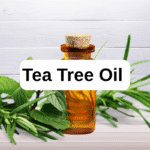
4. Tea Tree Oil – The Scalp Purifier
This Australian native packs serious antimicrobial power. Tea tree oil for scalp health is unmatched when it comes to treating buildup, excess oil, and minor scalp irritations.
What it does: Cleanses pores, fights fungal infections, reduces oiliness, stimulates circulation Best for: Oily scalps, dandruff, product buildup How to use: Always dilute! Add 5-10 drops to your regular shampoo or mix with a carrier oil
Safety note: Never apply undiluted tea tree oil directly to skin—it can cause irritation.
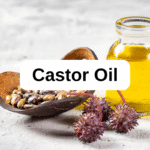
5. Castor Oil – The Growth Catalyst
Thick, rich, and incredibly nourishing, castor oil has been used for centuries to promote hair growth. Its high concentration of ricinoleic acid improves circulation to hair follicles.
What it does: Stimulates growth, thickens existing strands, moisturizes deeply, strengthens brittle hair Best for: Thinning hair, eyebrows and lashes, dry or damaged strands How to use: Massage into scalp weekly, leave overnight, shampoo thoroughly in morning
Jamaican black castor oil is particularly prized for its extra nutrients from roasted castor beans.
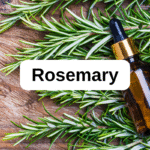
6. Rosemary – The Circulation Booster
This fragrant herb isn’t just for cooking—rosemary is one of the most effective herbal hair remedies for stimulating growth. Studies show it can be as effective as minoxidil for treating hair loss.
What it does: Improves blood flow to follicles, prevents premature graying, adds volume, fights dandruff Best for: Thinning hair, slow growth, lackluster strands How to use: Steep fresh rosemary in hot water for 30 minutes, cool, and use as a final rinse
DIY tip: Infuse rosemary in olive oil for 2 weeks to create a potent growth treatment.
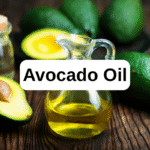
7. Avocado Oil – The Moisture Magnet
Pressed from the fruit we love in our salads, avocado oil is incredibly rich in vitamins A, D, and E, plus monounsaturated fats that penetrate deeply into hair strands.
What it does: Provides deep hydration, prevents breakage, adds elasticity, protects from environmental damage Best for: Very dry or brittle hair, sun-damaged strands How to use: Apply as a weekly mask, focusing on lengths and ends, leave for 30-60 minutes
Bonus: Avocado oil has a higher smoke point than many oils, making it great for heat protection.
9. Neem Oil – The Problem Solver
This Ayurvedic favorite might have a strong smell, but its antifungal and antibacterial properties make it incredibly effective for scalp issues.
What it does: Treats dandruff, fights scalp infections, repels lice, reduces inflammation Best for: Problematic scalps, persistent dandruff, children’s hair care How to use: Mix small amounts with gentler carrier oils, apply to scalp only
Mix with lavender oil to make the scent more pleasant while adding additional benefits.
10. Hibiscus – The Strengthening Flower
This tropical bloom is rich in amino acids and vitamin C, making it one of the most effective natural remedies for hair growth and strength.
What it does: Prevents breakage, stimulates growth, adds natural red highlights, conditions deeply Best for: Weak hair, slow growth, adding natural shine and subtle color How to use: Boil petals and leaves to make a strengthening rinse, or grind fresh flowers into a paste for masks
Cultural note: Hibiscus has been used in India for centuries and is often called the “shoe flower” for its traditional use in hair care.
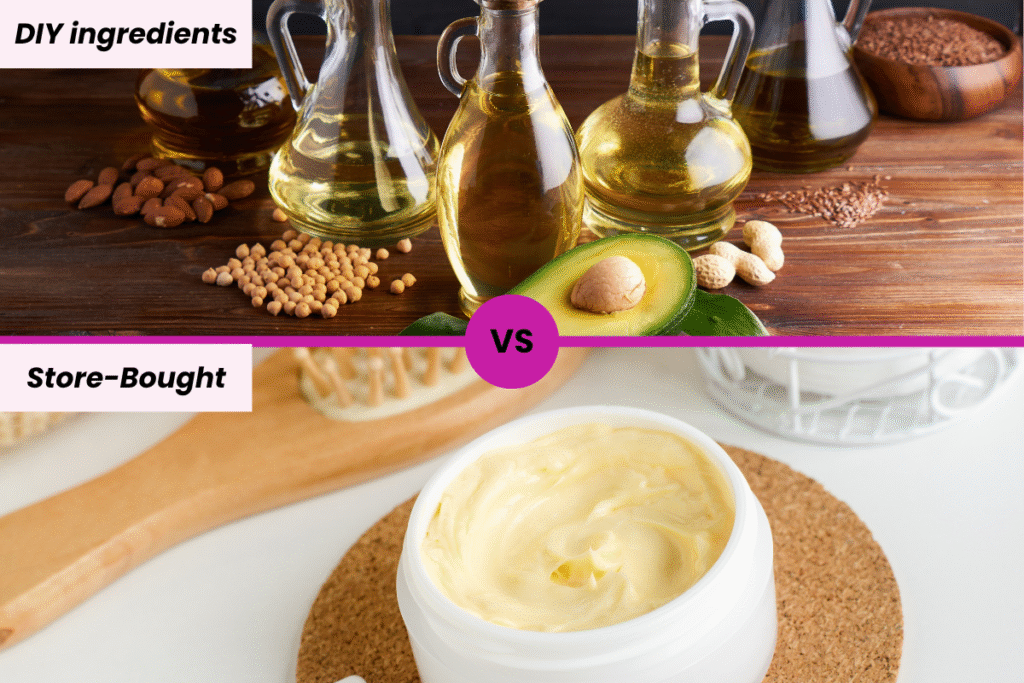
DIY vs. Store-Bought: Which Natural Route Is Best?
The eternal question: should you become a kitchen chemist or trust the professionals? The answer depends on your lifestyle, budget, and how much you enjoy experimenting.
| DIY Natural Hair Care | Store-Bought Organic Products |
|---|---|
|
Pros: Complete control over ingredients, cost-effective, fresh potency, customizable ratios
|
Pros: Convenience, professional formulation, consistent results, longer shelf |
|
Cons: Time-consuming, messy, shorter shelf life, trial and error needed |
Cons: Higher cost, potential fillers, less customization, packaging waste
|
My recommendation? Start with one or two DIY treatments to understand how your hair responds to specific ingredients, then invest in quality organic hair products for daily use. This hybrid approach gives you the best of both worlds.
Easy DIY Starter Recipe: Mix 2 tablespoons coconut oil + 1 tablespoon aloe vera gel + 3 drops tea tree oil for a weekly scalp treatment that addresses multiple concerns.
When to Choose DIY:
- You have specific sensitivities
- You enjoy the ritual and customization
- Budget is a primary concern
- You have time for preparation and cleanup
When to Buy Ready-Made:
- You travel frequently
- Time is limited
- You prefer consistent formulations
- You want professional-grade results
Common Mistakes to Avoid with Natural Hair Care
Natural doesn’t automatically mean foolproof. Here are the pitfalls I see most often—learn from others’ mistakes instead of making them yourself.
Mistake #1: Going Overboard with Essential Oils Essential oils are potent! Tea tree, peppermint, and rosemary oils should never be applied undiluted. Always use a 2-3% dilution ratio (about 5-10 drops per ounce of carrier oil).
Mistake #2: Using Heavy Oils on Fine Hair Castor oil and coconut oil can overwhelm fine strands. If you have thin hair, try lighter oils like argan or jojoba first, and always apply to damp hair for better distribution.
Mistake #3: Mixing Too Many Treatments Your hair doesn’t need a 10-ingredient cocktail. Start with one new ingredient at a time to see how your hair responds. More isn’t always better in natural hair care.
Mistake #4: Skipping Patch Tests Even natural ingredients can cause reactions. Test new ingredients on a small patch of skin 24 hours before applying to your entire scalp.
Mistake #5: Expecting Overnight Miracles Chemical-free hair care requires patience. Your hair needs time to adjust and repair. Give any new routine at least 6-8 weeks before judging results.
Mistake #6: Ignoring Your Hair Type What works for your curly-haired friend might not work for your straight, fine hair. Consider porosity, thickness, and texture when choosing ingredients.
Pro Tips to Maximize Natural Ingredient Effectiveness
Want to go from good results to “wow, what did you do to your hair?” results? These insider tricks make all the difference.
Tip #1: Temperature Matters Warm oils penetrate better than cold ones. Gently heat your best oils for hair in a double boiler or warm water bath before applying. Test temperature on your wrist—it should be warm, not hot.
Tip #2: Apply to Damp Hair Wet hair swells and opens the cuticle, allowing treatments to penetrate more deeply. Apply oils and masks to freshly washed, towel-dried hair for maximum absorption.
Tip #3: Master the Scalp Massage Spend 5-10 minutes massaging treatments into your scalp. This improves circulation, helps with stress relief, and ensures even distribution. Use your fingertips, not nails.
Tip #4: Rotate Your Ingredients Just like your skin can become resistant to the same skincare ingredients, your hair benefits from variety. Rotate between different natural remedies for hair growth to prevent adaptation.
Tip #5: Time It Right Apply treatments at least 30 minutes before washing, but overnight treatments work even better for dry or damaged hair. Use a silk pillowcase to prevent transfer and breakage.
Tip #6: Layer Strategically Apply lighter oils first, then heavier ones. Water-based treatments (like aloe vera) should go on clean, damp hair before oil-based treatments.

FAQs About Natural Hair Ingredients
How often should I use natural oils on my hair?
It depends on your hair type and the specific oil. Fine hair might need oils just once a week, while coarse or damaged hair can handle 2-3 times weekly. Start with once a week and adjust based on how your hair feels.
Can I mix different natural ingredients together?
Absolutely! Many ingredients work synergistically. Safe combinations include coconut oil + aloe vera, argan oil + rosemary, or castor oil + tea tree. Avoid mixing acids (like lemon juice) with oils immediately before application.
What’s the single best ingredient for hair growth?
There’s no magic bullet, but rosemary oil and castor oil have the strongest research backing for growth stimulation. Consistency matters more than the specific ingredient—regular scalp massage with any growth-promoting oil will yield results.
Is natural always better than synthetic?
Not necessarily. Some synthetic ingredients are gentler and more effective than natural alternatives. The key is avoiding harsh chemicals that damage hair over time while embracing beneficial natural ingredients that nourish and protect.
How long before I see results from natural hair care?
Most people notice softer, more manageable hair within 2-4 weeks. Growth and strength improvements typically become visible after 6-12 weeks of consistent use. Remember, you’re repairing years of potential damage—patience pays off.
Your Journey to Naturally Healthier Hair Starts Now
You don’t need a bathroom cabinet that looks like a chemistry lab to have gorgeous, healthy hair. These ten natural ingredients for hair care have been tested by time, backed by science, and proven by countless women who’ve made the switch to DIY hair care and natural routines.
The beauty of natural hair care lies not just in avoiding harsh chemicals, but in working with your hair’s natural processes instead of against them. Whether you choose coconut oil’s deep conditioning power, aloe vera’s gentle healing, or rosemary’s growth-boosting properties, you’re giving your hair ingredients it can actually use and benefit from.
Start small—pick one ingredient that addresses your biggest hair concern and commit to using it consistently for a month. Keep a simple hair journal noting changes in texture, shine, and manageability. You might be surprised by how much difference one simple switch can make.
Your hair has been waiting for this natural transformation. It’s time to give it what it’s been craving all along: real nourishment, not just temporary fixes.
Ready to start your natural hair journey? Try one new ingredient this week and share your results in the comments below. Which of these ten natural powerhouses are you most excited to try?